





The Deceptive Promise of an Easy Visa
The journey to an international destination begins long before you board a flight; it starts with meticulous planning and paperwork. For many countries, securing a visa is the most critical step. In the rush and complexity of this process, some travellers
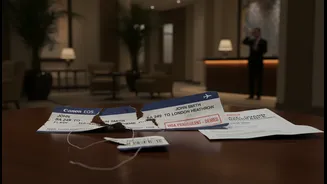
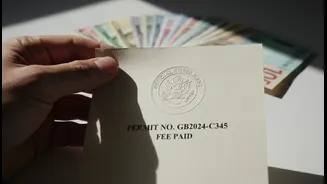
fall prey to scams. Unscrupulous agents or fraudulent websites often promise guaranteed or expedited visas for a high fee. They might provide a document that looks like a legitimate visa confirmation, but is, in fact, a forgery. Sometimes, travellers are tricked into using what is called a 'dummy' ticket or booking, which is a temporary, unconfirmed reservation. While some embassies may accept temporary bookings for review, a completely fabricated document is considered fraud. The temptation to take a shortcut can be strong, but the risks are severe and can jeopardise much more than just the visa application itself.
Denied Boarding: The First Domino to Fall
The first moment of truth arrives at the airport check-in counter. Airlines are the first line of defence for immigration control and are responsible for ensuring passengers have the correct documentation for their destination. Most major airlines use a shared database, like the Timatic system, to verify visa requirements for passengers based on their nationality and destination. When you check in, the airline staff will either visually inspect your visa or use their system to confirm its validity. If the visa confirmation is fake, the system will not recognise it. An invalid document means you will be denied boarding. The money spent on that non-refundable flight ticket is lost instantly, and your long-awaited trip ends before it even begins.
The Cascade of Financial Losses
Being denied boarding is just the beginning of the financial fallout. Your entire itinerary is built on a sequence of bookings that are now useless. The pre-paid hotel rooms you booked for your stay will go unoccupied, with little to no chance of a refund, as you have missed the cancellation window. The same goes for any connecting flights, train tickets, tour packages, or event tickets you may have purchased in advance. What started as an attempt to simplify the visa process has now led to a cascade of financial losses, potentially costing you thousands of rupees with no recourse. Using a fabricated hotel confirmation can itself be grounds for visa refusal, creating a separate set of problems.
Why Travel Insurance Won't Save You
Many travellers believe that travel insurance is a safety net for any unforeseen circumstances. However, this protection has its limits. Travel insurance policies are designed to cover unexpected events like medical emergencies, trip cancellations due to valid reasons, or lost baggage. They explicitly do not cover losses incurred as a result of fraudulent or illegal activities. Submitting a fake visa is considered fraud. Therefore, when your trip is disrupted because you were denied boarding due to a fake document, you cannot file a claim with your insurer. The insurance company will reject the claim, as the loss was a direct result of the traveller's participation in a fraudulent act, even if unintentional. Your safety net is gone, leaving you to bear the full financial burden.
How to Protect Yourself from Visa Scams
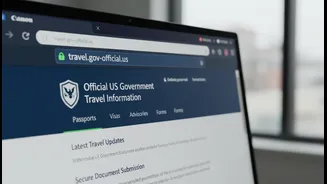
The best way to avoid this disastrous scenario is through diligence and caution. Always use official channels. The only legitimate source for visa information and application is the official embassy or consulate website of the country you plan to visit. Be wary of agents who guarantee a visa or promise impossibly fast processing times. Legitimate consultants cannot guarantee outcomes. Verify every website and agent. Check for secure 'https' URLs on official websites and never trust links sent via unsolicited messages. If an agent pressures you or asks for payments to a personal account, it's a major red flag. For e-visas, ensure you are using the official government portal, as many fake sites mimic the real ones to trap applicants.