

Why a Theme Simplifies Everything
Before diving into specific ideas, it’s worth understanding why a theme is so effective. A cohesive dessert theme acts as a creative filter. Instead of being paralysed by infinite options, your choices become focused and intentional. This not only reduces
planning stress but also results in a more professional and impressive presentation. A unified dessert table feels curated and thoughtful, making the occasion more special for your guests. It provides a natural talking point and creates a visual anchor for your event, whether it's a casual get-together or a large celebration. Ultimately, a theme transforms a simple collection of sweets into a memorable culinary experience.
Choosing Your Dessert Anchor
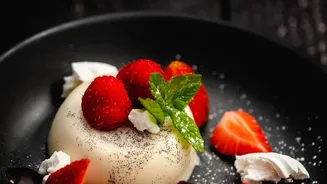
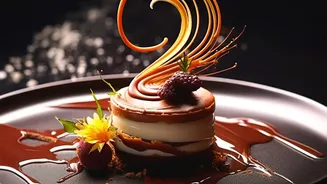
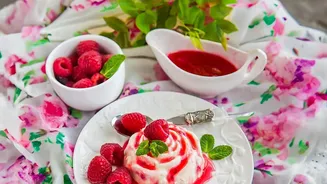
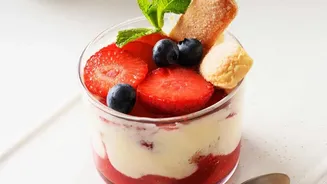
The first step is selecting a central concept. Your theme can be as broad or as narrow as you like. A great starting point is to choose a single, beloved ingredient. A 'Chocolate Lovers' theme, for instance, could feature everything from rich brownie trifles to delicate chocolate-dipped strawberries. Or, you could build your menu around a seasonal fruit, like a 'Summer Berry' theme with strawberry shortcake, blueberry tarts, and raspberry mousse. Another popular approach is to focus on a type of dessert, such as a cookie swap, a pie buffet, or an ice cream sundae bar with an array of toppings. You could also use a colour palette—like an elegant 'Winter White' theme—or a specific style, like rustic homemade treats or sophisticated French patisserie.
Building a Balanced Menu
Once you have your theme, the goal is to create variety within it to avoid monotony. A well-balanced menu considers flavour, texture, and even temperature. If your theme is 'Lemon Zest,' don't just serve five different lemon tarts. Instead, balance a sharp, chilled lemon sorbet with a creamy lemon cheesecake and a light, airy lemon meringue pie. The idea is to showcase the theme ingredient in different forms. Offer something rich and decadent, something light and refreshing, and something with a pleasing crunch or crumble. This ensures that there’s a satisfying option for every palate while still adhering to your central concept.
Presentation Is Part of the Theme
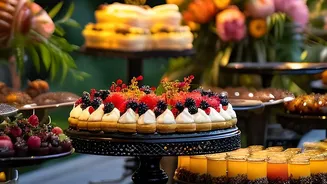
A focused theme makes presentation much easier. A cohesive look ties everything together visually. Use serving dishes, platters, and cake stands to create different levels on your table, which adds visual interest and makes the spread look more abundant. Simple tricks like using consistent labels for each dessert, choosing a tablecloth or runner that complements your theme, and adding small decorative touches can elevate the entire setup. For a rustic theme, wooden boards and mason jars work well, while a more elegant affair might call for glass and metallic platters. You don't need to be a professional stylist; the goal is simply to make choices that support your central idea.
Accommodating Guests and Staying Practical
A theme doesn't mean you have to exclude guests with dietary restrictions. Within most themes, it's possible to include gluten-free, dairy-free, or nut-free options. For a chocolate theme, a flourless chocolate cake can serve as a delicious gluten-free choice. For a fruit-focused menu, a simple fruit salad or sorbet is a naturally light and allergy-friendly option. It's also important to be practical about what you can achieve. Choose recipes that you are comfortable making, and don’t be afraid to mix homemade items with high-quality store-bought ones to save time. The best dessert menu is one that allows you, the host, to enjoy the party too.