




A Disaster Unfolding in Minutes
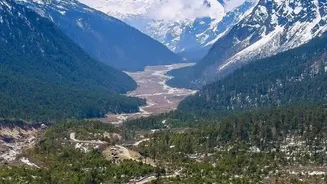
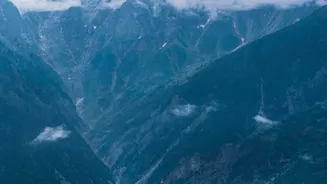
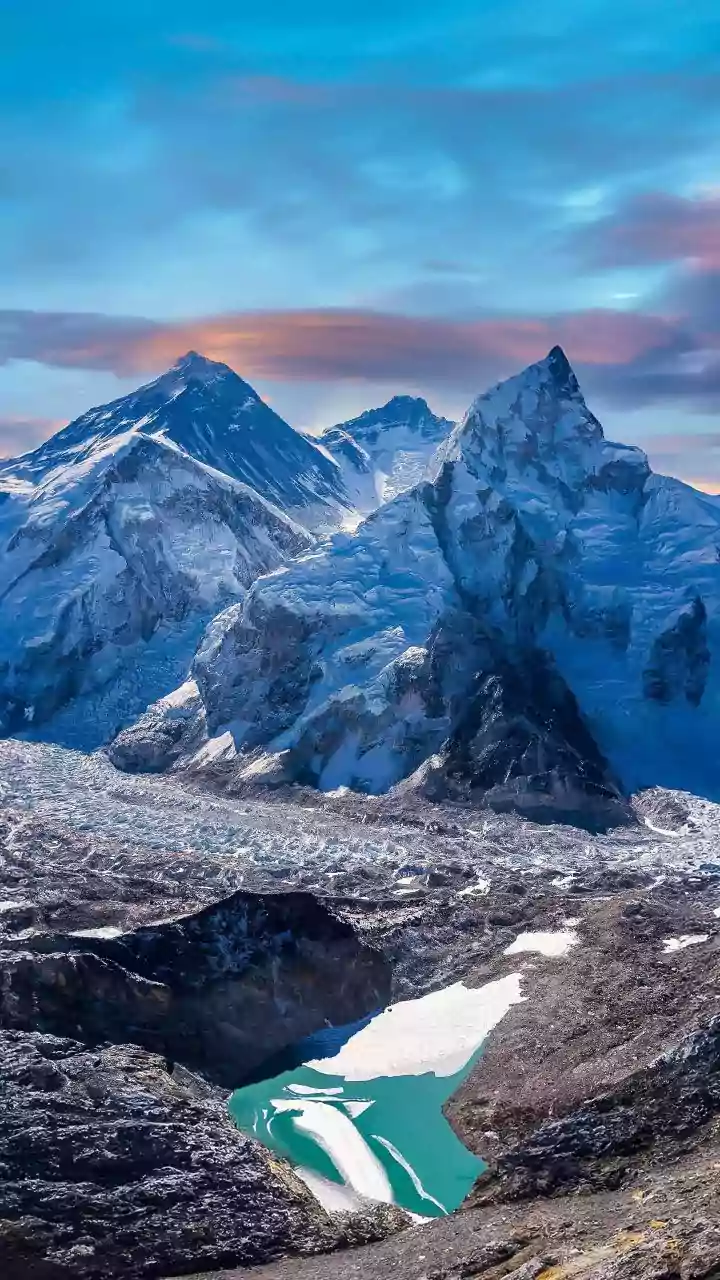
On August 26, 2026, a colossal section of rock and glacier ice broke free from Langtang Lirung mountain along the Nepal-Tibet border. An estimated 110 million cubic metres of material collapsed, generating a torrent of water, ice, and debris that surged
through the Trishuli River valley at incredible speed. The flood destroyed entire communities, critical infrastructure like hydropower plants, and a major border crossing, ultimately killing over 1,300 people and leaving more than 5,000 missing. The disaster was not a typical flood caused by heavy rain; it was a cascading event that began high in the mountains, giving downstream settlements almost no time to react.
The Real Cause Was Decades in the Making
A new report from the World Weather Attribution initiative, an international group of scientists, concluded that human-induced climate change was a significant factor. The scientists found that the disaster wasn't caused by a single extreme weather event but by the slow, steady weakening of the mountain itself over decades. The headline finding is that long-term warming created the preconditions for the slope to fail. In essence, climate change didn't just load the gun; it had been slowly pulling the trigger for years by fundamentally destabilising the 'roof of the world'.
How Global Warming Breaks a Mountain
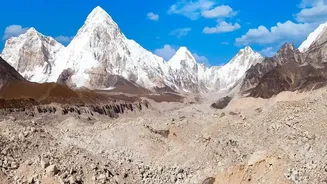
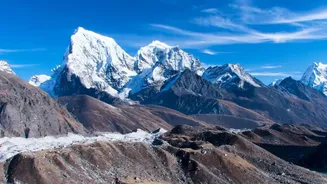
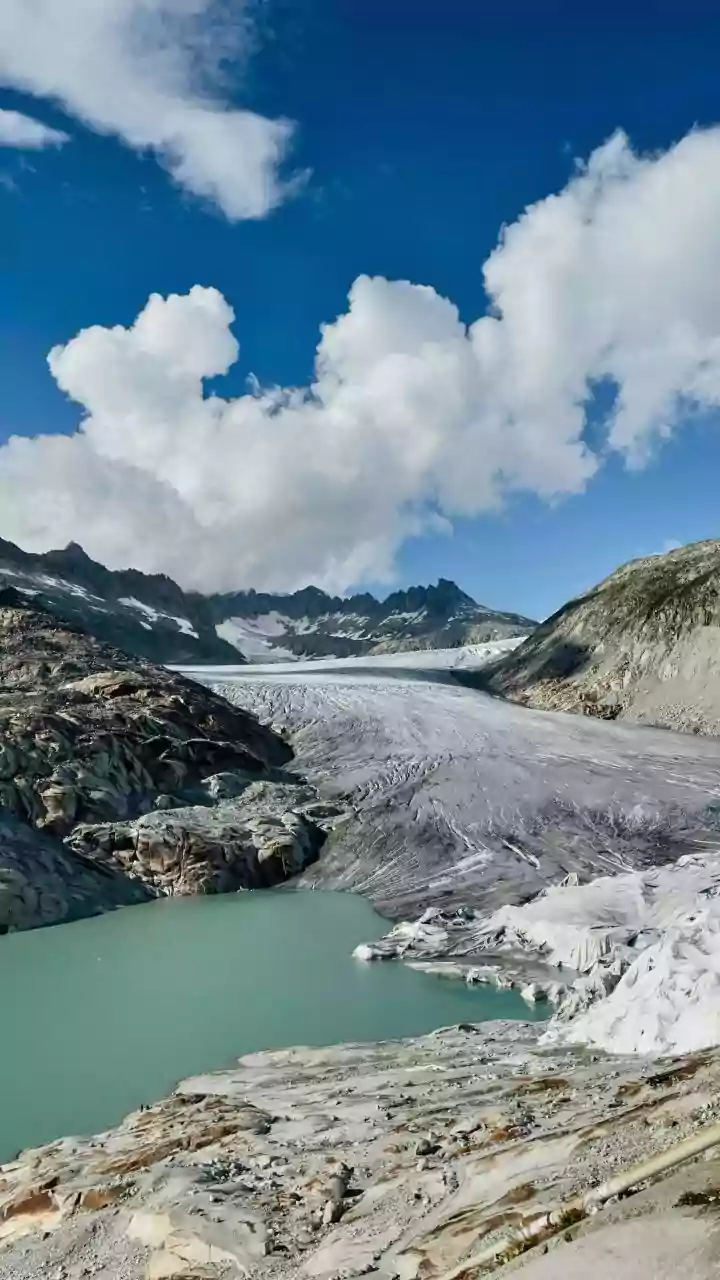
The scientific link works in several ways. Firstly, rising temperatures have thinned the glaciers that once acted like a supportive buttress for the mountain slopes. Secondly, and perhaps more importantly, the warming has thawed permafrost—the permanently frozen ground that acts like a cement, binding rock and soil together. As this natural glue melts, the structural integrity of the mountain is compromised. Scientists also noted that July and August 2026 were exceptionally warm in the region, which would have accelerated melting. This meltwater can then seep into cracks in the rock, lubricating them and making a collapse more likely. While a major earthquake in 2015 may have also contributed by fracturing the bedrock, scientists state that climate change's role in weakening the slope is clear.
A Warning for the Entire Himalayan Region
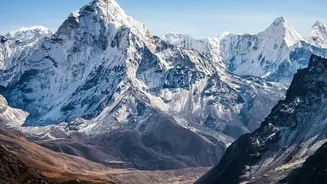
Experts warn that this disaster is a grim preview of what could come for the entire Hindu Kush-Himalayan region, which includes large parts of Northern India. The same processes of glacier thinning and permafrost thaw are happening across the mountain range. This event demonstrates that climate adaptation has its limits; no early warning system could have fully prevented a catastrophe of this scale and speed. The incident highlights a dangerous shift in climate risks—from predictable weather events like heavy rainfall to the unpredictable failure of the landscape itself. For India, which has significant populations and infrastructure downstream from Himalayan glaciers, the findings from Nepal are a critical wake-up call, demanding a re-evaluation of disaster preparedness that goes beyond just forecasting floods from rain.