
What is World Space Week?
Every year, the international community commemorates the contributions of space science and technology to humanity. Declared by the United Nations General Assembly in 1999, World Space Week is observed annually from October 4 to 10. These dates were chosen
to honour two pivotal moments in space history: the launch of Sputnik 1, the first man-made satellite, on October 4, 1957, and the signing of the Outer Space Treaty on October 10, 1967. The week serves as a global platform for space agencies, companies, schools, and museums to host thousands of events, inspiring the public and encouraging international cooperation in space outreach and education.
This Year's Theme: A 'Rocket Revolution'
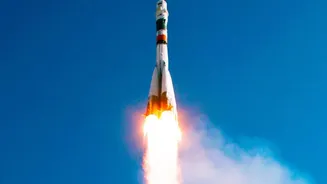
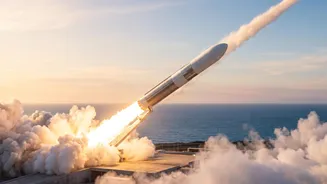
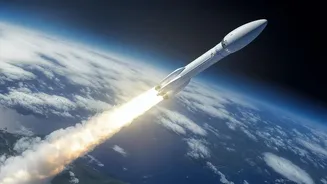
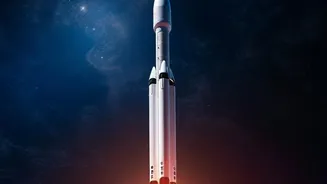
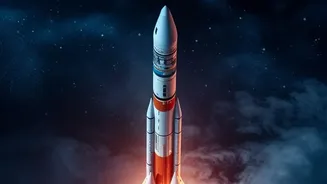
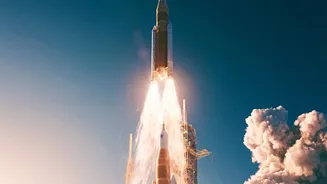
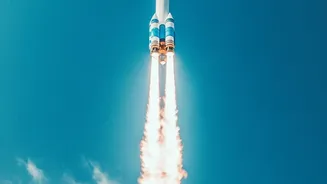
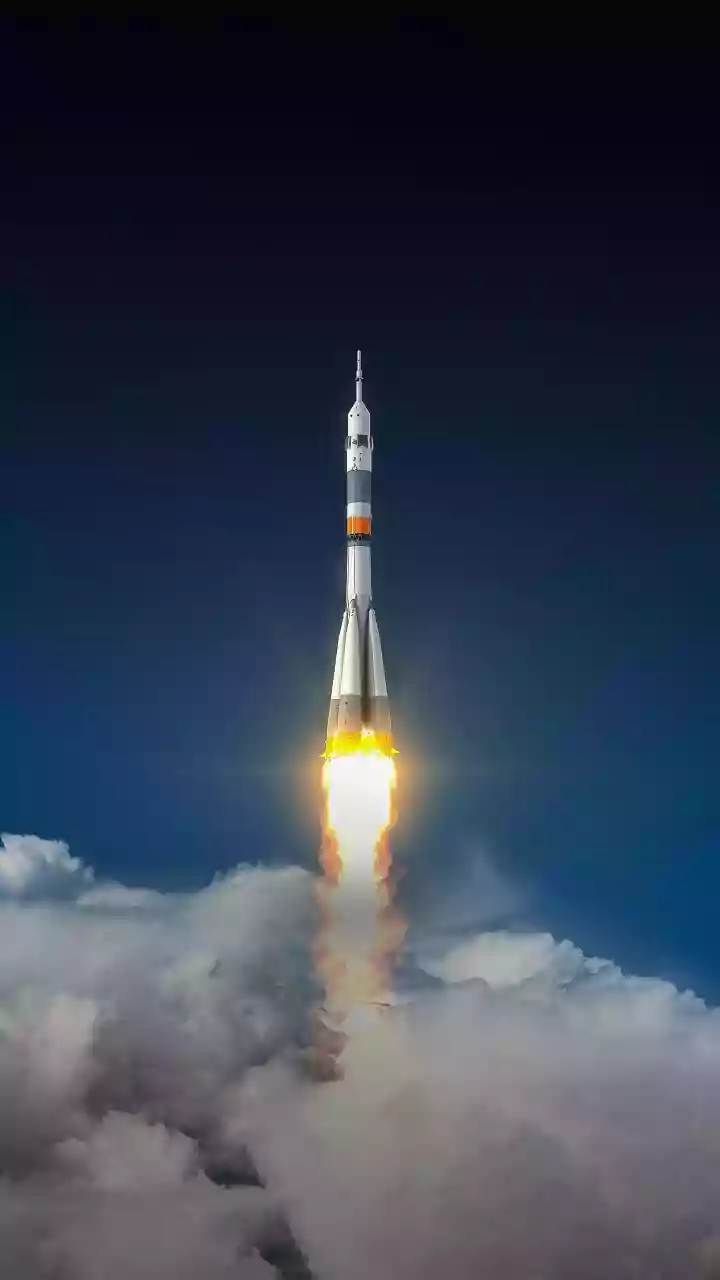
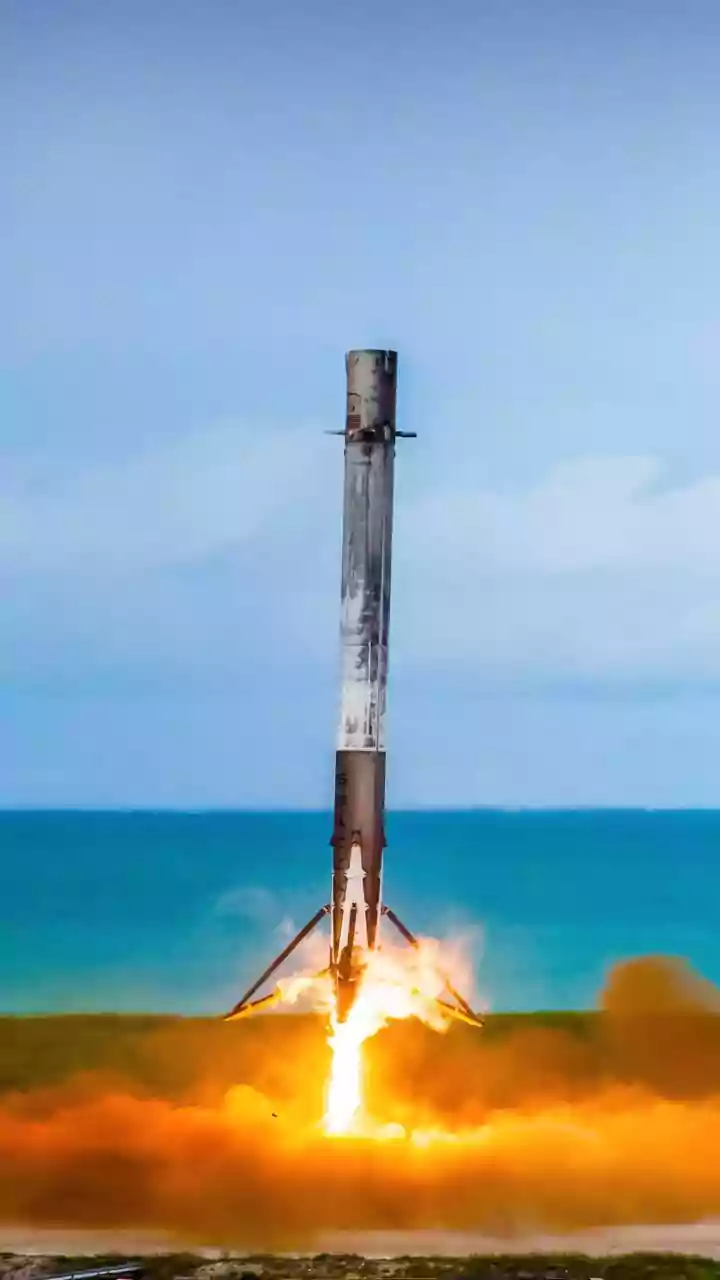
The theme for 2026, 'Rocket Revolution,' puts a spotlight on the dramatic transformation happening in space launch technology. For decades, access to space was the exclusive domain of a few government programmes using expensive, single-use rockets. That paradigm is shifting rapidly. The rise of reusable rockets, commercial launch providers, university-led projects, and new national space agencies is making space more accessible and affordable than ever before. According to the World Space Week Association, this theme recognises how falling launch prices are stimulating a new ecosystem of space applications and aims to inspire students to pursue careers in science, technology, engineering, and maths (STEM).
The Engines of Exploration and Enterprise
Rockets are the fundamental tool of space exploration. They work by expelling hot gas from their engines, which, according to Newton's Third Law, creates an equal and opposite reaction that propels the vehicle forward. Unlike jets, rockets carry their own oxidizer, allowing them to function in the vacuum of space. This capability is what allows us to place satellites in orbit for communication, navigation, and weather forecasting; send probes to distant planets; and transport astronauts to space stations. The current revolution focuses on reusability, which dramatically cuts the cost of reaching orbit and opens the door for more ambitious projects, from mega-constellations of satellites to sustained human presence on the Moon and Mars.
India's Role in the New Space Age
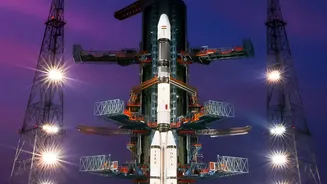
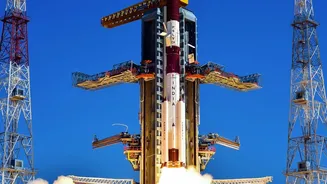
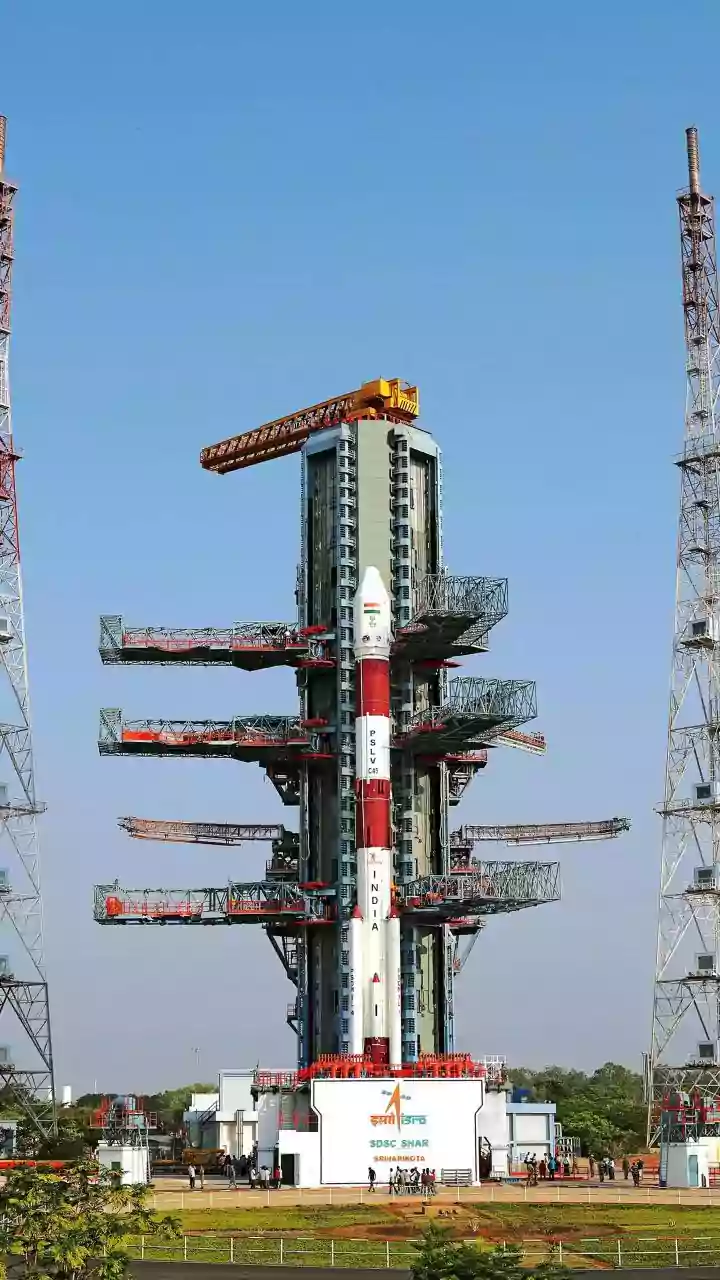
The theme of 'Rocket Revolution' resonates strongly with India's own space journey. The Indian Space Research Organisation (ISRO) has a long and successful history of developing reliable and cost-effective launch vehicles. The Polar Satellite Launch Vehicle (PSLV) is globally renowned as ISRO's workhorse, having launched hundreds of Indian and international satellites. The Geosynchronous Satellite Launch Vehicle (GSLV) family enables India to launch heavier communication satellites into higher orbits. As the world celebrates new rocket technologies, India is pushing its own boundaries with developments in reusable launch vehicles and the Gaganyaan programme, which aims to send Indian astronauts into space on an Indian rocket. This global focus provides a perfect backdrop to appreciate India's crucial and growing role in making space accessible.
How You Can Join the Celebration
Participating in World Space Week doesn't require you to be a rocket scientist. Across more than 100 countries, over 50,000 events are anticipated, ranging from online lectures and museum exhibits to hands-on activities for students and families. In past years, activities have included model rocket launches, planetarium shows, space-themed movie nights, and talks by astronauts and space experts. You can check the official World Space Week website for a calendar of events in your area. Even simply stepping outside to observe the night sky is a great way to participate—the Draconid meteor shower is expected to peak around October 8-9, offering a natural celestial show to complement the week's theme.