



The Tether of Ground Control
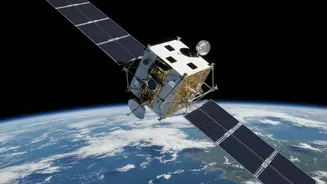
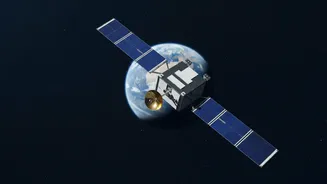
For decades, every spacecraft has been on a tight leash, constantly monitored by teams of engineers on Earth. This ground control is mission-critical, handling navigation, health checks, and course corrections. But this model is reaching its limits. For one,
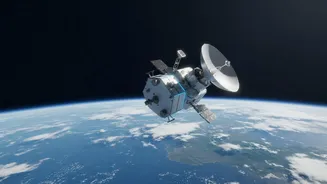
it’s expensive, requiring 24/7 staffing and massive infrastructure. More importantly, it’s slow. When a spacecraft is millions of kilometres away, the communication delay—or latency—can be several minutes or even hours. A signal to Mars can take up to 24 minutes one way. In an emergency, waiting for instructions from Earth could be catastrophic. This delay makes deep space exploration, especially to the outer planets and beyond, incredibly challenging and risky.
The Rise of the Autonomous Spacecraft
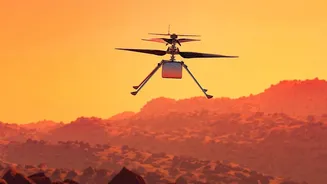
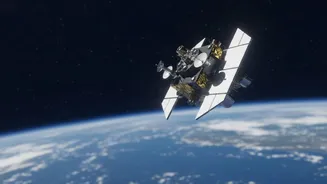
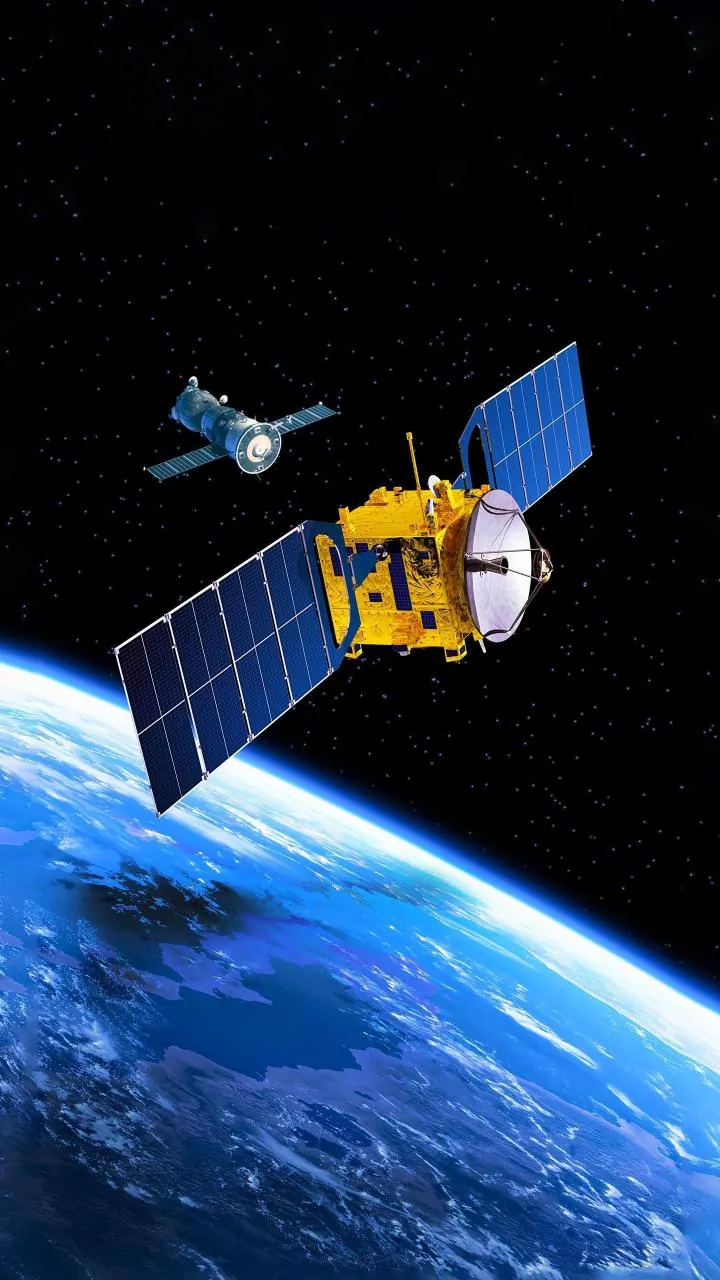
The solution, as championed at events like SMOPS-2026, is spacecraft autonomy. This doesn't mean creating self-aware robots like in science fiction. It's about equipping spacecraft with advanced Artificial Intelligence (AI) and Machine Learning (ML) so they can make certain decisions on their own. This includes navigating complex environments, diagnosing and fixing internal problems, prioritizing data transmission, and even avoiding space debris without waiting for human commands. Early examples like NASA's Mars rovers, which use AI to select rock samples and navigate tricky terrain, have already proven the concept's value. The goal is to move from a model of constant human control to one of human supervision, where ground teams set the objectives and the spacecraft figures out the best way to achieve them.
India's Leap into Space Autonomy
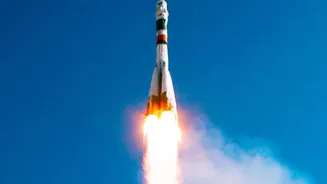
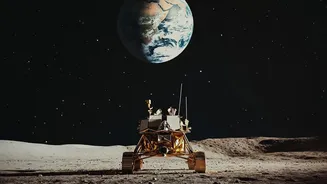
This technological shift is a major focus for the Indian Space Research Organisation (ISRO), a key organizer of the SMOPS conference. With ambitious missions planned for the Moon, Venus, and Mars, ISRO recognizes that autonomy is essential for success. The increasing number of satellites in orbit, both for Indian navigation systems and Earth observation, also makes manual management impractical. ISRO is actively developing robotic and autonomous systems, as seen in its Reusable Launch Vehicle (RLV) autonomous landing tests and the successful SpaDex mission, which demonstrated autonomous docking capabilities in orbit. Furthermore, initiatives like the ISRO Robotic Challenge (IRoC-U) are fostering innovation among students, tasking them with building autonomous vehicles for mock planetary exploration, signalling a commitment to building a domestic talent pipeline.
Smarter, Faster, and Farther
The benefits of less dependence on ground control are transformative. For commercial satellite constellations, automation means lower operational costs and the ability to manage massive networks efficiently. AI can optimize bandwidth allocation, directing it to areas with high demand in real-time. For science missions, autonomy unlocks new possibilities. A spacecraft can be programmed to identify interesting phenomena—like a volcanic plume on a distant moon—and decide on its own to gather more data, rather than sending back raw information and waiting for scientists to respond. This 'science autonomy' makes missions more efficient and resilient. It allows spacecraft to process data on board and send back only the most critical findings, saving precious bandwidth. Ultimately, this technology will enable more complex, long-duration missions into deep space that are currently unfeasible.