

The Problem with Pre-Cut Produce
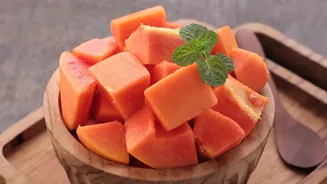
Pre-cut fruits are considered high-risk foods because they lack the natural protection of a peel or rind and are often handled extensively before they reach you. Once a fruit's skin is broken, its flesh is exposed. Every step from there—the knife, the cutting
board, the water used for washing, and the hands of the vendor—is a potential source of contamination. Unlike whole fruits, where you control the cleaning and cutting process, pre-cut options have an unknown history. They could have been prepared in less-than-ideal conditions, and since they are consumed without cooking, any harmful bacteria like Salmonella, E. coli, or Listeria can survive and multiply. Several major foodborne illness outbreaks have been linked directly to pre-cut fruits, including melons and fruit mixes.
Papaya's Particular Vulnerability
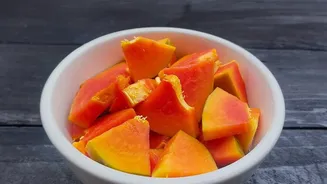
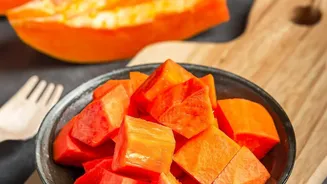
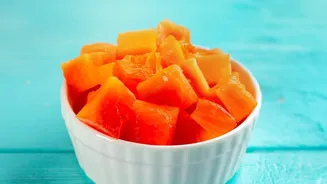
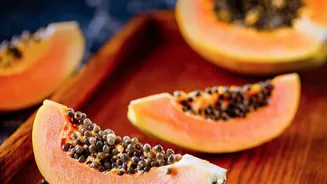
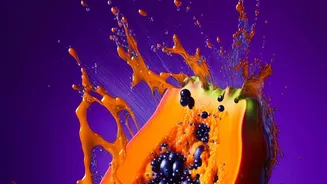
While all cut fruit carries some risk, papaya is uniquely susceptible. Its soft, fleshy interior has a relatively neutral pH and is full of moisture and nutrients—creating an ideal breeding ground for bacteria once the skin is compromised. Studies have shown that pathogens like Salmonella can thrive in and on cut papaya. The fruit's tropical growing environment can also favor the survival of these bacteria before it's even harvested. Even if the fruit appears fine, pathogens can be transferred from the peel to the flesh during the cutting process if the exterior isn't washed properly. This cross-contamination is a significant concern, especially when fruits are prepared in large batches for street sale or packaging.
The Whole Fruit Advantage
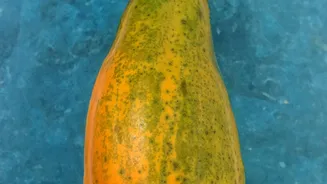
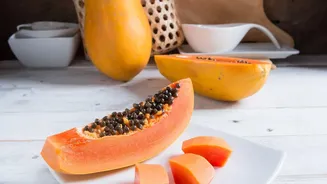
The simplest way to ensure your fruit is safe is to buy it whole. A papaya's skin is a remarkable natural barrier, protecting the sterile fruit inside from dirt, bacteria, and other environmental contaminants. When you buy a whole papaya, you take control of its journey to your plate. You can inspect the fruit for bruises or damage, which can be entry points for bacteria. You control the cleanliness of the environment where it's prepared—your own kitchen. By washing the outside of the fruit thoroughly under running water before you slice into it, you prevent the transfer of any surface contaminants to the flesh. This single step dramatically reduces the risk of foodborne illness.
Your Safe Papaya Guide
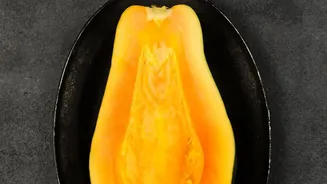
Enjoying papaya safely is easy when you follow a few simple steps. First, select a papaya that is mostly yellow, which indicates ripeness, and free of soft spots or broken skin. Before you do anything else, wash your hands thoroughly. Then, wash the entire outer surface of the papaya under clean, running water, gently rubbing the skin to remove any residue. Use a clean cutting board and a clean knife. After slicing the papaya open, scoop out the seeds and cut the flesh into your desired pieces. Any papaya you don't eat immediately should be stored in an airtight container in the refrigerator and consumed within a few days. This small effort guarantees that your delicious, healthy snack is also perfectly safe.