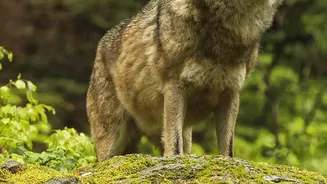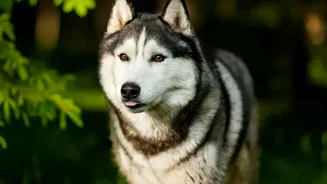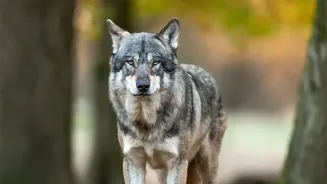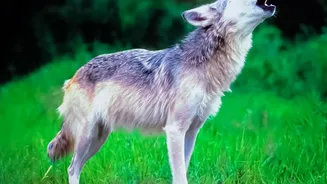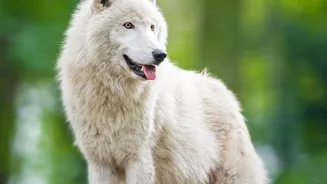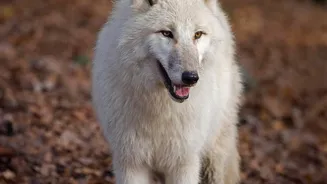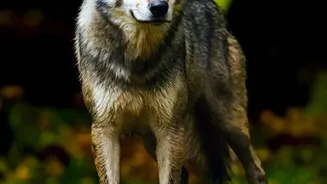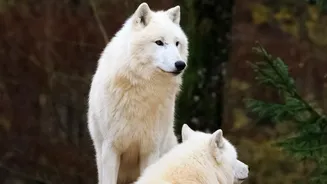





The Return of a Keystone Predator
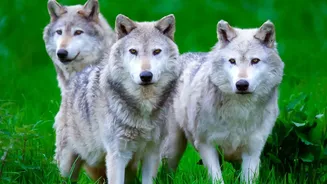
The story of the wolf in Europe is one of a dramatic comeback. Once hunted to the brink of extinction in many regions, wolf populations have rebounded significantly over the past few decades. Legal protections, like the EU's Habitats Directive, have been
a turning point, making it illegal to kill the species in most areas. As of 2023, estimates suggest a population of over 20,000 wolves across the continent, a significant increase from years prior. This recovery wasn't driven by large-scale reintroduction programs, but by the wolves themselves. Packs from strongholds in Italy, Spain, and Eastern Europe began to naturally expand, travelling vast distances to reclaim their ancestral territories in countries like Germany, France, and the Netherlands. The return of deer and wild boar has provided them with an ample food source, allowing them to thrive in a variety of landscapes, from dense forests to mountain ranges.
Tracking the Elusive: What to Expect on a Tour
This growing presence has inspired a new breed of ecotourism. Outfitters from the mountains of northern Spain to the forests of Scandinavia now offer guided expeditions to track these elusive predators. However, these tours are not safaris with guaranteed sightings. Wolves are incredibly shy and intelligent animals. The experience is less about a guaranteed photo opportunity and more about immersion in the wilderness. Guides, often biologists or expert trackers, teach participants to read the landscape. You’ll learn to identify paw prints, analyse scat, and understand the pack's movements and habits. The true thrill lies in the patient search, the quiet observation from a hidden viewpoint at dawn or dusk, and the feeling of sharing the landscape with a wild predator. For many, simply hearing a distant howl is a profound and unforgettable highlight.
Wolf Watching Hotspots Across Europe
Several regions have emerged as premier destinations for wolf enthusiasts. Spain's Sierra de la Culebra mountain range boasts one of the highest densities of Iberian wolves in Europe, making it a top spot for observation tours. In Italy, the Abruzzo and Central Apennines national parks are home to the Italian wolf subspecies, with local guides leading treks through their rugged territory. Further north, Sweden offers a different kind of experience, with tours focused on tracking through dense boreal forests and wild camping under the stars, with a strong chance of hearing the packs howl at night. Other notable destinations include the Alps in France, the Bialowieza Forest in Poland, and even parts of Germany where wolf numbers are steadily rising.
Tourism as a Tool for Coexistence
While the wolf’s return is a conservation victory, it also creates challenges, particularly for livestock farmers. Responsible wolf tourism offers a powerful counter-narrative. It provides a direct economic incentive for local communities to protect wolves and their habitats. When a live wolf becomes more valuable than a dead one, attitudes can shift from conflict to conservation. Tour operators often work in small groups to minimise disturbance and contribute to a greater understanding of the species. These trips are about more than just wildlife spotting; they are about learning to coexist with a wild Europe that many thought was lost forever. The income generated can support local businesses and demonstrate that protecting biodiversity can create sustainable opportunities.