








What Exactly Is a 'Sleepy-Time' Cake?
At its heart, a 'sleepy-time' or 'cosy evening' cake is a baked good that incorporates the same botanicals you'd find in a calming cup of herbal tea. The star ingredient is often chamomile, a flower long associated with relaxation. Bakers and recipe developers
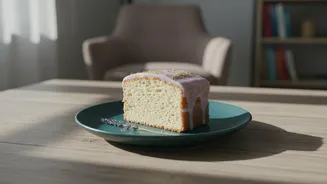
infuse fats like milk, cream, or butter with dried chamomile flowers, straining them out before adding the fragrant liquid to the cake batter. The result is a subtly floral, apple-like flavour that permeates a tender crumb. But it’s not just about chamomile. Other soothing herbs like lavender, lemon balm, and even passionflower are making their way into these comforting confections, often paired with complementary flavours like honey, lemon, and vanilla. The goal isn't to create a sedative, but to craft a dessert that evokes a sense of peace and ritual through familiar, calming aromas and tastes.
From a Mug to the Mixing Bowl
The leap from brewing tea to baking cakes is a natural one. The technique of infusing liquids with herbs is a cornerstone of both practices. For cakes, this process typically involves gently warming milk or butter with herbs like chamomile or lavender and letting them steep for anywhere from 15 minutes to several hours. This allows the essential oils and flavour compounds from the herbs to be fully extracted. Once strained, this infused liquid becomes the flavour backbone of the cake. Some recipes even call for browning the butter first to add a nutty depth that pairs beautifully with the herbal notes. Others create herbal-infused sugars or finishing syrups to brush over the warm cake, adding another layer of flavour and moisture. It’s a simple but effective way to translate the comforting ritual of a cup of tea into a more indulgent, satisfying treat.
The Psychology of Comfort Baking
This trend is about more than just novel flavours; it taps directly into the psychology of comfort. The aroma of baking is itself a powerful mood-booster, often linked to positive memories and feelings of home. When you add the scents of herbs like lavender and chamomile—aromas widely used in aromatherapy to promote calmness—the effect is amplified. The ingredients themselves contribute to this feeling of wellness. Chamomile contains a compound called apigenin, which is believed to create a mild calming effect. Ingredients often paired with it, like honey and milk, also have comforting associations and contain properties that can aid relaxation. In a world of constant stress and digital stimulation, the act of baking and eating a 'sleepy-time' cake becomes a mindful practice—a tangible way to carve out a moment of peace and self-care at the end of a long day.
A Recipe for Modern Anxieties
The rise of the sleepy-time cake isn't happening in a vacuum. It’s part of a much larger cultural shift towards wellness and the search for comfort in our daily lives. As people increasingly seek out ways to manage stress, the concept of 'functional foods'—ingredients that offer health benefits beyond basic nutrition—has boomed. We see this in the popularity of everything from probiotic yogurts to adaptogenic mushroom coffees. This cake is the dessert world’s answer to that call. It transforms an indulgence into an act of self-soothing. In an era marked by uncertainty, many have turned to baking as a therapeutic hobby. The sleepy-time cake perfectly merges this desire for hands-on comfort with the growing interest in natural, wellness-oriented ingredients, making it a treat that feels both decadent and purposeful.
Is It a Gimmick or Genuinely Delicious?
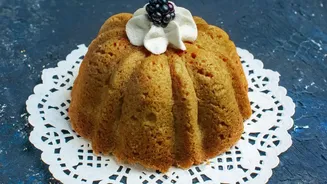
While the wellness angle is a key part of its appeal, this trend wouldn't have legs if the cakes weren't genuinely delicious. Fortunately, the herbal notes that define these bakes are also culinarily exciting. Lavender, when used correctly, offers a sophisticated floral flavour that pairs beautifully with lemon and honey. Chamomile provides a gentle, sweet, and almost fruity note that enhances a simple vanilla or honey cake. These flavours are delicate but distinct, transforming a standard loaf or bundt cake into something special and memorable. The key is balance; the goal is a hint of floral earthiness, not a cake that tastes like perfume. When done right, the result is a sophisticated dessert that delights the palate while soothing the mind—a far cry from a mere gimmick.