



What's Behind the Matcha Mania?
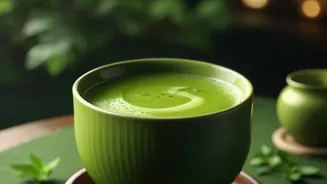
Matcha's rise in India is no accident; it’s a perfect storm of wellness culture, social media aesthetics, and a search for new rituals. For a generation of urban consumers, a beverage is part of their identity. Unlike the sharp spike and potential crash
from coffee, matcha offers a gentler, more sustained energy boost. This is thanks to L-theanine, an amino acid that promotes a feeling of calm, focused alertness. This unique combination of caffeine and calm is why Japanese monks have used it for centuries during meditation. Beyond the buzz, matcha is packed with antioxidants—compounds that protect the body's cells. It's this blend of a mindful preparation process, health-conscious ingredients, and its undeniable visual appeal that has cemented matcha's place in the modern Indian lifestyle.
Choosing Your Perfect Matcha Powder
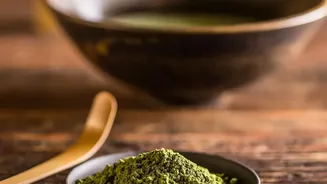
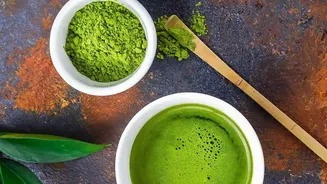
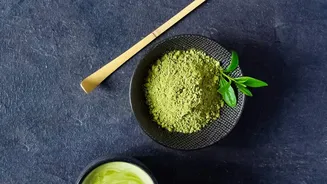
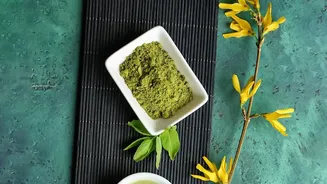
Stepping into the world of matcha can be confusing, with terms like 'ceremonial' and 'culinary' on every tin. The difference is simple: it’s all about intended use. Ceremonial grade is the highest quality, made from the youngest tea leaves, and has a delicate, nuanced flavour. It’s designed to be whisked with water and enjoyed on its own. Culinary grade is more robust and slightly more bitter, which allows its flavour to stand out when mixed with milk for lattes or used in smoothies and baking. For your first foray into making matcha lattes at home, a good quality culinary or latte-grade powder is a great, and more economical, place to start. Look for a vibrant green colour, as brownish or yellowish powders are a sign of lower quality.
The Essential Toolkit for Home Brewers
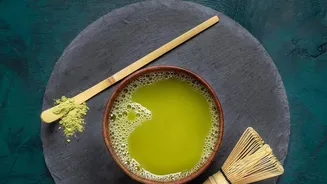
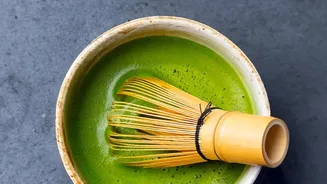
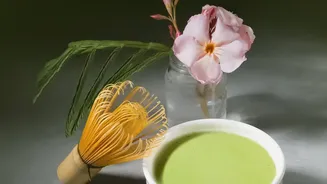
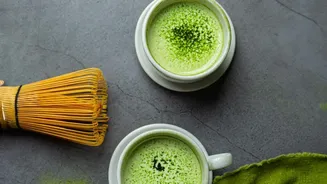
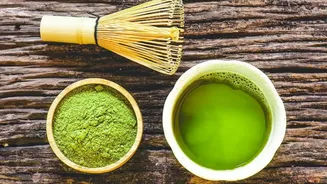
You don't need a full Japanese tea set to make great matcha at home, but a few key tools make the process much smoother. The most important is a whisk. A traditional bamboo whisk, or 'chasen', is designed to break up clumps and create a smooth, frothy layer. Recent search trends show a breakout interest in these whisks and accompanying bowls in India. However, a small, inexpensive electric milk frother works just as well and is a fantastic modern alternative. You will also need a small bowl or wide mug to give you enough space to whisk properly, and a fine-mesh sieve or tea strainer. Sifting the matcha powder before adding water is a non-negotiable step to prevent clumps and ensure a silky-smooth drink.
A Step-by-Step Guide to the Perfect Latte
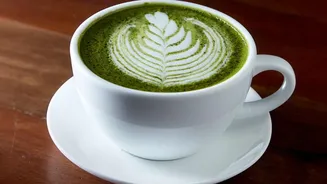
Ready to brew? Making a matcha latte is a simple, calming process. Start by sifting 1 teaspoon of matcha powder into your bowl to remove any lumps. Next, add about 60 ml (or 2 ounces) of hot, but not boiling, water. Using water around 80°C (175°F) is ideal to avoid scorching the delicate powder, which can make it taste bitter. Now, whisk vigorously. If using a bamboo whisk, move it in a quick 'M' or 'W' motion until the liquid is smooth and topped with a layer of fine foam. If using an electric frother, just whisk until smooth. Finally, pour your frothed matcha into a cup and top it with about 180 ml of steamed milk of your choice—oat and almond milk are popular options. Sweeten to taste if you like, and enjoy your homemade creation.
Beyond the Basic Latte: Get Creative
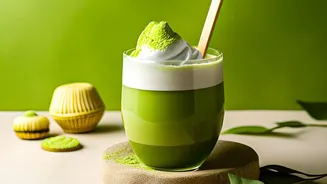
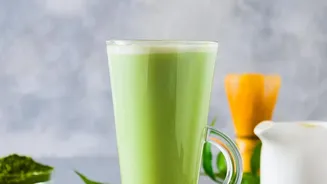
Once you've mastered the classic latte, matcha's versatility truly shines. The home-brewing trend in India has seen a surge in creative recipes, from mango and strawberry matcha in the summer to coconut variations during the monsoon. For a refreshing twist, try an iced matcha latte: simply prepare the matcha shot as usual, pour it over a glass filled with ice and milk, and stir. You can also make a simple matcha lemonade by shaking a matcha shot with lemonade and ice. For a health boost, add a teaspoon of culinary matcha to your morning smoothie or even to a chia seed pudding for a vibrant and nutritious breakfast. These simple experiments show how easily matcha can be adapted to any taste or season.