






What is the New Policy?
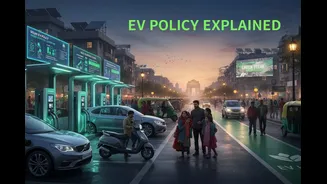
Effective from July 1, 2026, the Delhi EV Policy 2026 is an aggressive push to accelerate the adoption of electric vehicles in the capital. Valid until March 2030, this policy combines financial incentives, tax waivers, and a clear roadmap to phase out
petrol and CNG vehicles in key categories. The government has earmarked a significant budget to fund these initiatives, aiming to reduce pollution and make Delhi a leader in green mobility. The core idea is simple: make the upfront and long-term cost of owning an EV cheaper than a conventional petrol or diesel vehicle.
Direct Purchase Subsidies
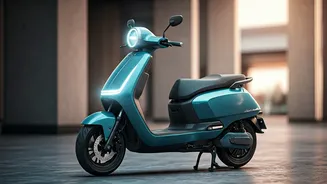
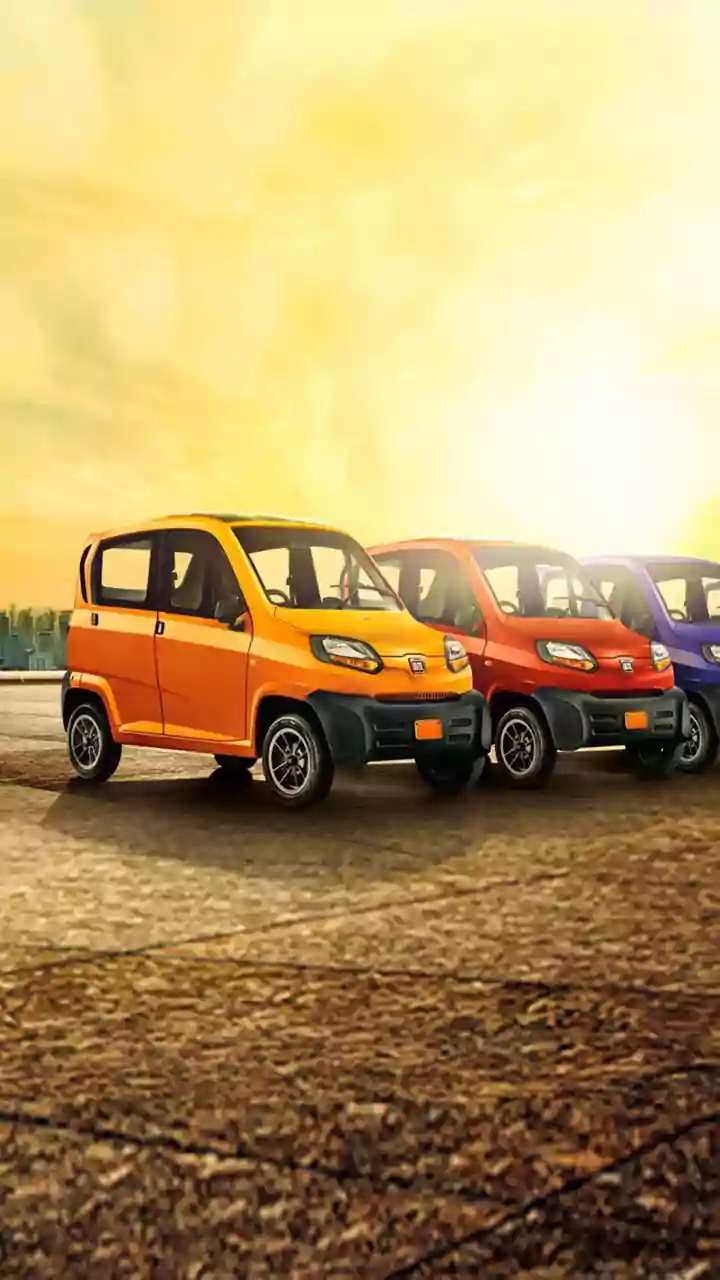
The most immediate saving comes from direct purchase incentives, which are transferred straight to the buyer's bank account. For two-wheeler buyers, the policy offers a subsidy of up to ₹30,000 in the first year, which will taper down in subsequent years to encourage early adoption. Buyers of new electric auto-rickshaws are eligible for up to ₹50,000. Even commercial vehicles are covered, with N1-category light goods vehicles eligible for incentives up to ₹1 lakh. These subsidies are designed to reduce the initial price barrier, a major hurdle for many potential EV buyers.
The Zero Tax Advantage
Beyond the initial subsidy, the policy delivers a major cost-saving punch by eliminating hefty on-road taxes. All-electric cars with an ex-showroom price up to ₹30 lakh will get a 100% waiver on both road tax and registration fees. This can translate into savings of lakhs of rupees, depending on the vehicle's price. This complete tax exemption is a powerful tool that dramatically lowers the on-road cost, making many EV models more competitive with their petrol counterparts right out of the showroom. However, luxury EVs priced above this ₹30 lakh cap will not receive this benefit.
Bonus for Scrapping Old Vehicles
The policy also includes a rewarding scrappage component to get older, more polluting vehicles off the road. If you scrap a Delhi-registered BS-IV or older car and purchase a new EV, you could be eligible for a ₹1 lakh incentive. This benefit is limited to the first 100,000 applicants and applies to new electric cars priced under ₹30 lakh. Similar scrappage bonuses are available for other vehicle types, including ₹10,000 for two-wheelers and ₹25,000 for three-wheelers, providing an extra financial push to make the switch.
The Long-Term Vision
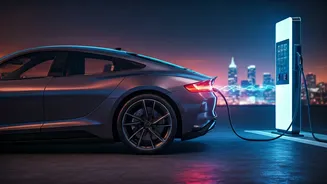
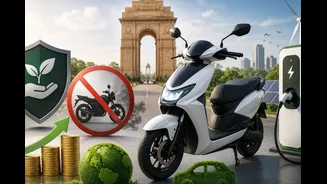
This policy isn't just about today's savings; it's about reshaping Delhi's entire transport ecosystem. The government has set clear deadlines, such as mandating that only electric auto-rickshaws will be registered from January 2027, followed by a ban on new petrol and CNG two-wheeler registrations from April 2028. To support this transition, there's a massive plan to install over 30,000 public charging points to tackle range anxiety. This long-term vision ensures that the move to electric is sustainable, with the necessary infrastructure in place to support a growing fleet of EVs.