






The Problem with Carb Tunnel Vision
Focusing solely on counting or classifying carbohydrates can lead to a restrictive and often unsustainable approach to eating. While it's true that some carbohydrates, like sugary drinks and refined grains, can spike blood sugar, not all carbs are created
equal. Complex carbohydrates found in whole grains, legumes, and vegetables provide essential fuel for your brain and muscles. When we fixate on just one nutrient, we risk missing out on the bigger picture. A diet that obsessively cuts carbs might lack fibre, leading to digestive issues, or it could be deficient in crucial vitamins and minerals found in carb-rich fruits and vegetables. This narrow focus can also create a stressful relationship with food, where meals become a math problem rather than a source of nourishment and enjoyment.
Defining the Balanced Plate
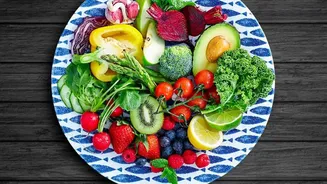
A more effective and freeing strategy is the 'Balanced Plate' method. It’s a simple visual guide for building a nutritious meal without complicated tracking. Imagine a standard nine-inch plate and divide it: fill half your plate with non-starchy vegetables and fruits. This section provides fibre, vitamins, and minerals with fewer calories. Dedicate one quarter of the plate to lean protein sources like dal, paneer, chicken, fish, or tofu. Protein is vital for muscle repair, immune function, and keeping you feeling full. The final quarter is for complex carbohydrates or starches, such as whole-wheat roti, brown rice, or millets. These provide sustained energy. A small amount of healthy fat, from sources like avocado, nuts, seeds, or ghee, completes the meal, aiding in hormone production and nutrient absorption.
The Benefits of a Holistic Approach
Adopting the balanced plate model offers numerous advantages over just watching carbs. Combining protein, healthy fats, and fibre with carbohydrates slows down the absorption of sugar into the bloodstream. This leads to more stable blood sugar levels, preventing the sharp energy spikes and subsequent crashes that often follow a carb-heavy meal. This balance is key to sustained energy throughout the day. Furthermore, this method naturally encourages portion control without the need for obsessive measuring. A plate full of diverse food groups is more satiating, reducing cravings and the likelihood of overeating between meals. It also ensures you receive a wider spectrum of nutrients, supporting everything from gut health to immune response.
How to Build Your Balanced Indian Thali
This principle translates perfectly to an Indian thali. Start by filling half your plate with vegetables. This could be a generous serving of a dry sabzi like bhindi or gobi, alongside a fresh kachumber salad. For your quarter-plate of protein, a bowl of dal, chana masala, or a serving of curd (dahi) works beautifully. Your final quarter is for your carbohydrate source—one or two whole-wheat rotis or a modest portion of brown rice. Don't forget a touch of healthy fat, which might already be present in your dal tadka or a spoonful of ghee on your roti. This framework is flexible and can be adapted to any regional cuisine in India. The goal isn’t perfection at every meal, but to make balance the foundation of your eating habits. By focusing on including all the components, you naturally create a meal that is both nourishing and deeply satisfying.