





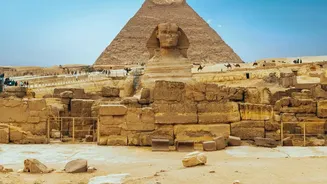
The Giza and Cairo Baseline
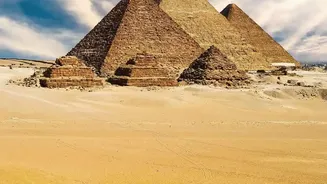
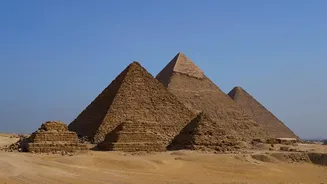
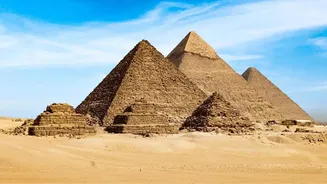
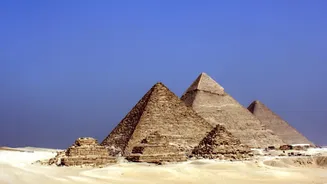
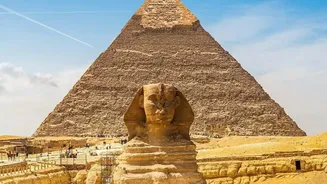
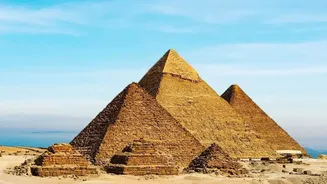
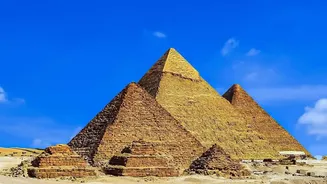
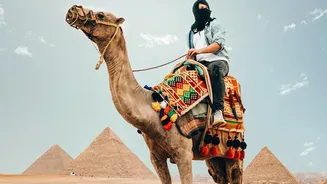
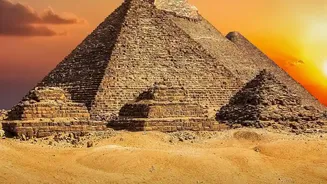
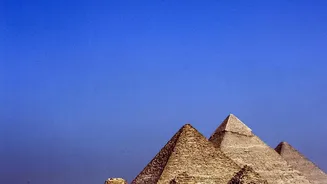
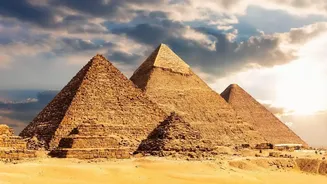
Most journeys begin in Cairo, and for good reason. The Pyramids of Giza and the Sphinx are non-negotiable for first-time visitors. These sole survivors of the Seven Wonders of the Ancient World are as awe-inspiring as you imagine, but they also serve
as a benchmark for the highest crowds and most intense tourist traffic in Egypt. Nearby, the vast collection at the Egyptian Museum (including the newly opened Grand Egyptian Museum) holds thousands of years of history under one roof. While essential, these sites represent the peak of what you can expect to pay for tickets and guides, and the number of people you'll share the experience with. Use this as your starting point: everything that follows offers a different balance of the travel equation.
Luxor: The Pharaonic Heartland
Often called the world's greatest open-air museum, Luxor is where the scale of ancient ambition truly sinks in. Situated on the site of ancient Thebes, the city is dense with jaw-dropping monuments. On the East Bank, Karnak Temple is a sprawling complex of sanctuaries and columns built over 2,000 years, while Luxor Temple is stunning when illuminated at night. Across the Nile on the West Bank lies the Valley of the Kings, the burial ground for pharaohs like Tutankhamun. Crowd-wise, Luxor is busy but more manageable than Giza. The sites are spread out, dispersing visitors. Cost-wise, a backpacker might spend around $25 per day here, slightly less than in Aswan. Historically, Luxor's concentration of temples and tombs is arguably unmatched on Earth, making it a must for any serious history enthusiast.
Aswan: A Quieter, Scenic Nile
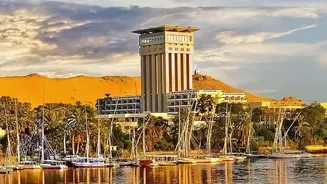
Travel south to Aswan, and the pace immediately slows. The Nile here is at its most beautiful, dotted with the triangular sails of traditional feluccas. The headline attractions are the serene Philae Temple, relocated to an island to save it from the rising waters of the Aswan High Dam, and the Unfinished Obelisk. Aswan is the hub for exploring Nubian culture, with colourful villages lining the river banks offering a unique cultural experience. Compared to Luxor, Aswan is less about monumental density and more about atmosphere. It's generally less crowded, though the popular Philae Temple can be busy. Costs are comparable, with some estimates putting a budget day slightly higher than Luxor at around $30, but the experiences—like a gentle felucca ride at sunset—offer a different kind of value.
Abu Simbel: The Ultimate Detour
Is the long journey to Abu Simbel worth it? Unequivocally, yes. Getting there requires an early start for a three-hour drive from Aswan, or a flight, making it a significant cost and time investment. A road trip can cost around $75-$100 per person all-in. However, the reward is one of the most spectacular sights in all of Egypt. The two temples carved into a mountainside by Ramesses II are a marvel of engineering, made even more incredible by the fact that the entire complex was painstakingly moved in the 1960s to save it from Lake Nasser. The sheer scale and remote location mean crowds, while present, are less of a constant crush than at Giza. For historical interest and pure wow-factor, Abu Simbel is second only to the pyramids themselves.
Dendera & Abydos: The Connoisseur's Choice
For travellers looking to escape the crowds completely and delve deeper into Egyptian history, a day trip from Luxor to Dendera and Abydos is essential. These sites are among the best-preserved temple complexes in Egypt but see a fraction of the visitors. Abydos was a sacred pilgrimage site dedicated to the god Osiris, and its Temple of Seti I contains some of the most intricate and beautiful reliefs, plus a famed list of pharaohs. Nearby, the Temple of Hathor at Dendera is famous for its preserved, vibrant colours and a stunning ceiling depicting the zodiac. The cost is primarily for transport, as the day is long (around 10 hours), but the reward is an almost private viewing of temples that rival the more famous sites in beauty and historical significance.