

The Spark of Speculation
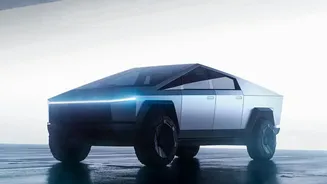
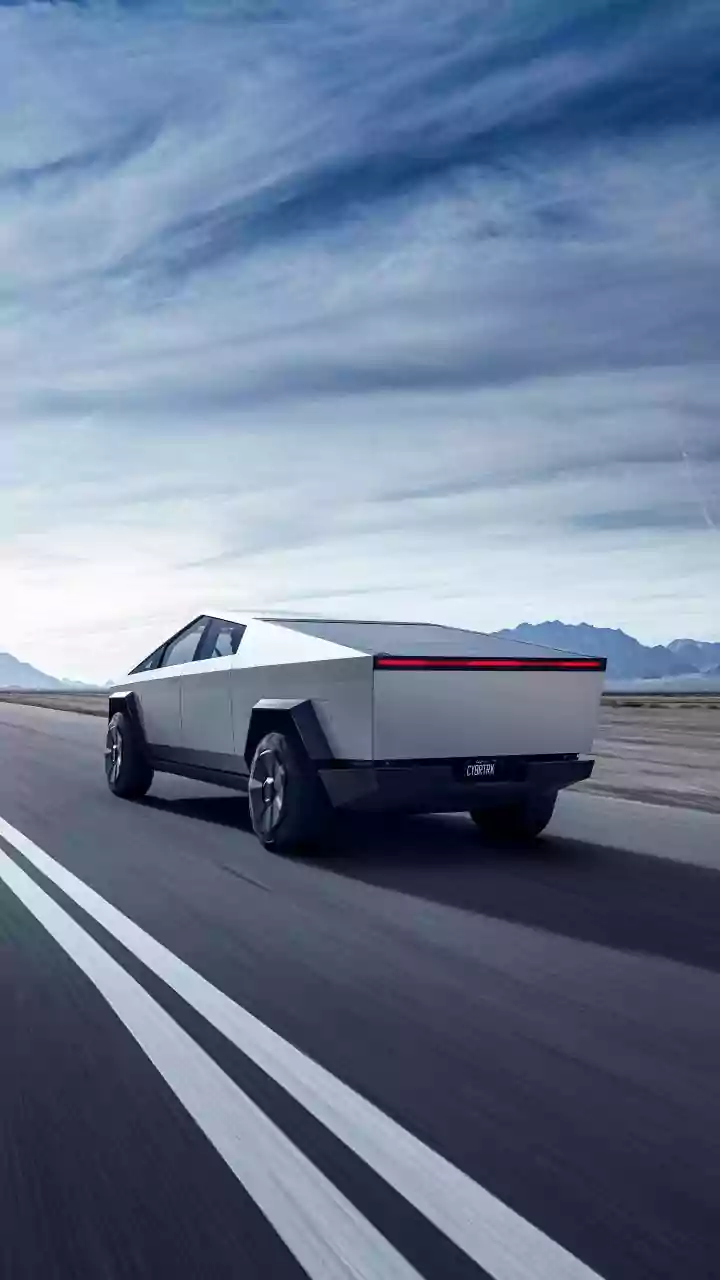
The idea of a new Cybertruck variant didn't originate from inside Tesla's design studio or from an Elon Musk tweet. Instead, it came from the world of financial analysis. Prominent Wall Street analysts, including Adam Jonas of Morgan Stanley, have floated
the idea, not as a leak or inside information, but as a strategic suggestion. For years, Jonas has followed Tesla closely, and his research notes often speculate on the company's future moves. In the past, he has described the Cybertruck as a 'cult car' or a 'sideshow' rather than a mass-market vehicle, suggesting its polarizing design might limit its appeal. This context is key to understanding why an analyst might propose a more conventional or smaller alternative.
The Business Case for a Smaller Truck
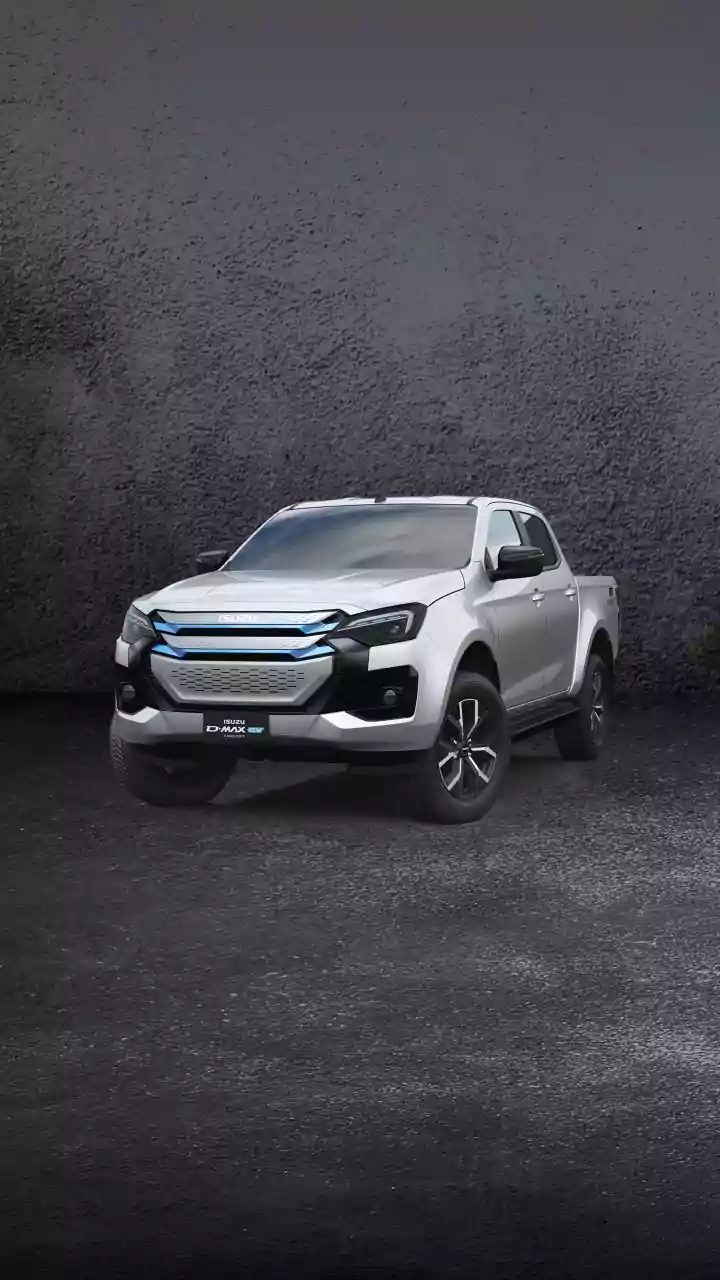
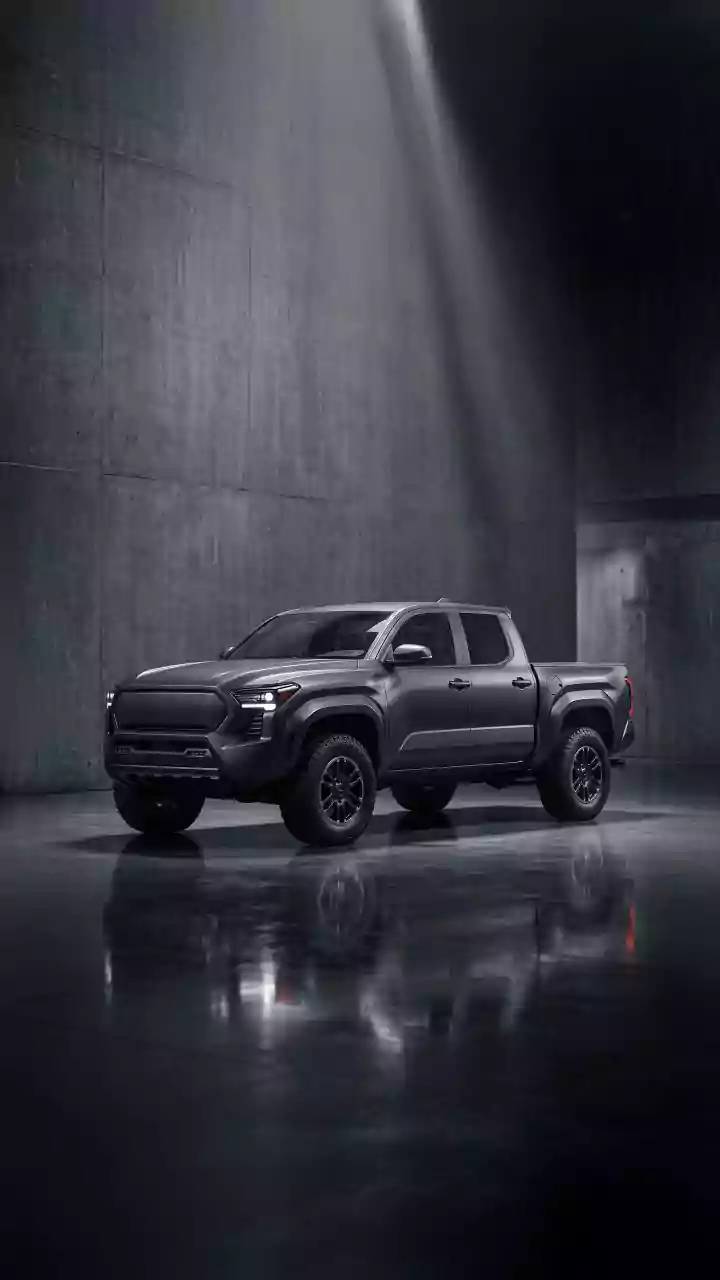
The logic behind suggesting a smaller Cybertruck is rooted in clear market trends. The global electric pickup truck market is experiencing rapid growth, with a significant portion of that demand centered on compact and light-duty models. These smaller trucks are better suited for urban environments, offering easier maneuverability and parking without sacrificing all utility. Competitors like Ford are already betting on a smaller electric pickup strategy, believing that oversized, expensive electric trucks have struggled to gain mainstream traction. A smaller, potentially cheaper, Cybertruck could theoretically open up a massive new customer base for Tesla, appealing to buyers who find the current model too large or too expensive for their daily needs. The market for practical, light-duty electric trucks is projected to expand significantly, driven by both commercial fleets for last-mile delivery and individual consumers.
Tesla's Official Position: Radio Silence
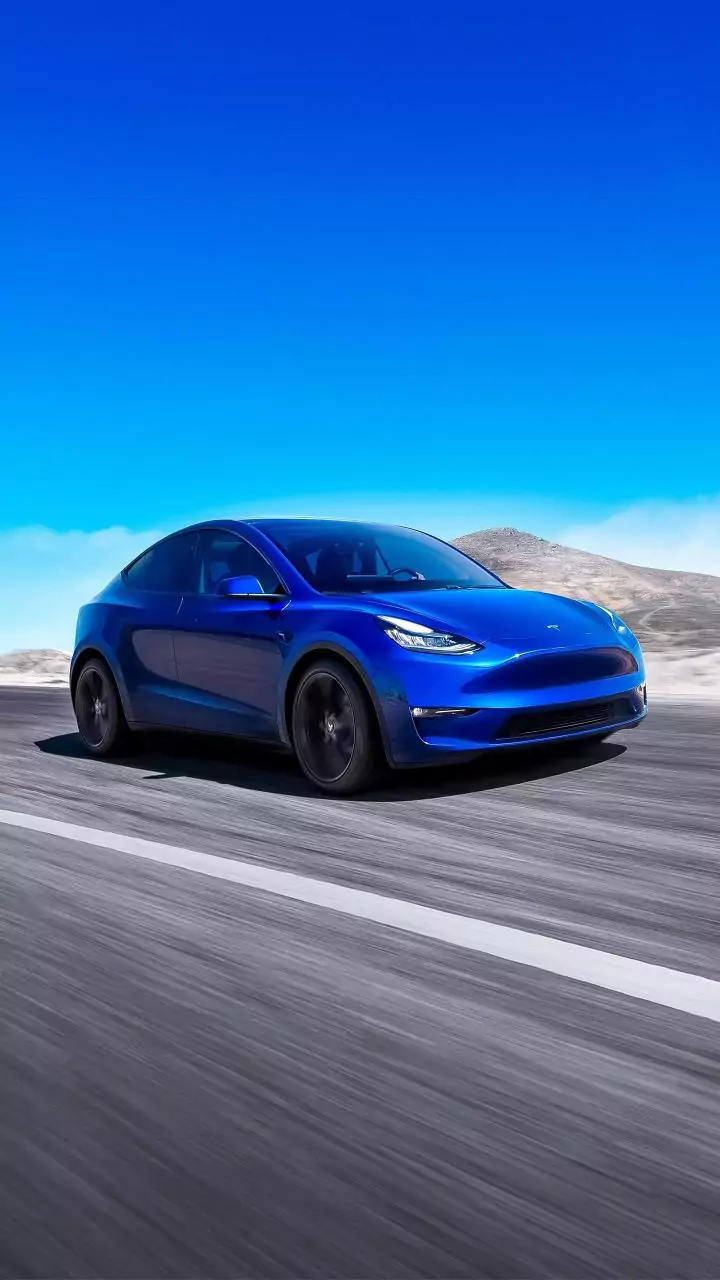
Despite the compelling market arguments, Tesla itself has remained silent on the prospect of a smaller Cybertruck. The company's current focus is on scaling production of the existing Cybertruck, a vehicle that has already faced numerous production delays and challenges. Elon Musk's public statements have revolved around ramping up the current model, along with advancing other projects like the next-generation Roadster and a future, more affordable mass-market vehicle, often referred to as the 'Model 2.' While Tesla has teased other Cybertruck-inspired vehicles, like a van or SUV, these concepts remain speculative and are not part of the confirmed production pipeline. The company has a history of introducing new variants and cutting prices to drive demand, as seen with recent adjustments to the Cybertruck and Model Y lineups, but a completely new, smaller truck model has not been officially mentioned.
Analyst Wishlists vs. Corporate Reality
It's common for financial analysts to build models and make suggestions based on what they believe would be strategically sound for a company. These reports are designed for investors, assessing potential risks and opportunities. Adam Jonas, for example, has a history of making bold, sometimes conservative, predictions about Tesla's production volumes that don't always align with the company's ambitious targets. These analytical exercises are valuable for understanding market pressures and competitive landscapes, but they should not be confused with a company's product roadmap. Tesla is known for its ambitious, long-term vision, which currently includes fully autonomous vehicles and humanoid robots, indicating that its strategic priorities may differ from the more immediate market opportunities identified by external observers.