


A Taste of Home in Orbit
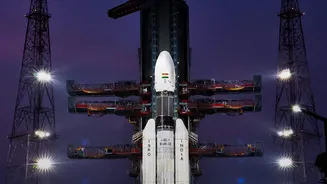
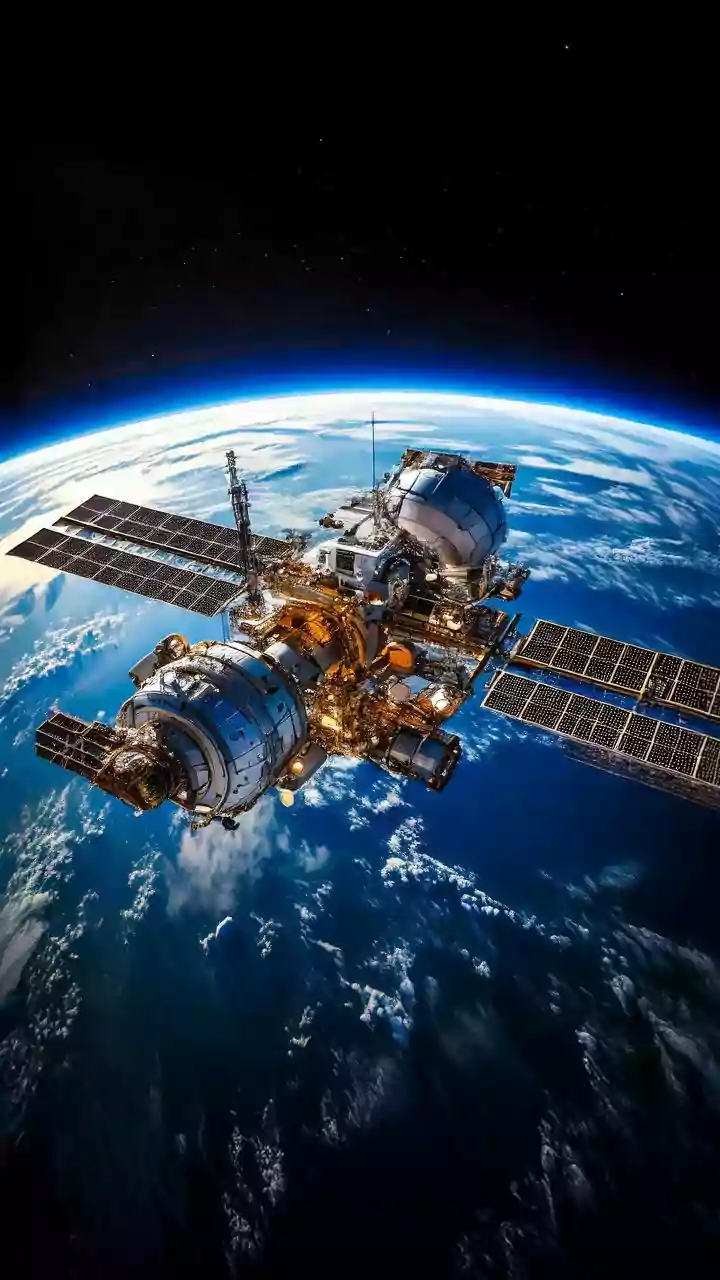
The Axiom Mission 4 (Ax-4), which saw Indian Air Force Group Captain Shubhanshu Shukla serve as pilot, was a culinary journey as much as a scientific one. The international crew, also including astronauts from the US, Poland, and Hungary, brought the flavours
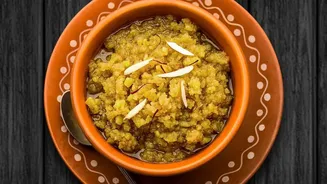
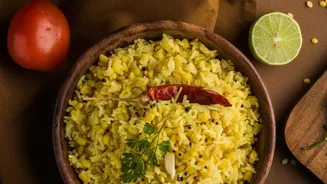
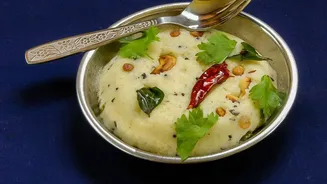
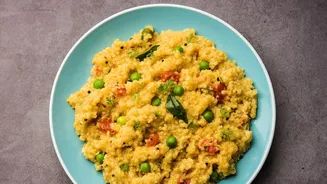
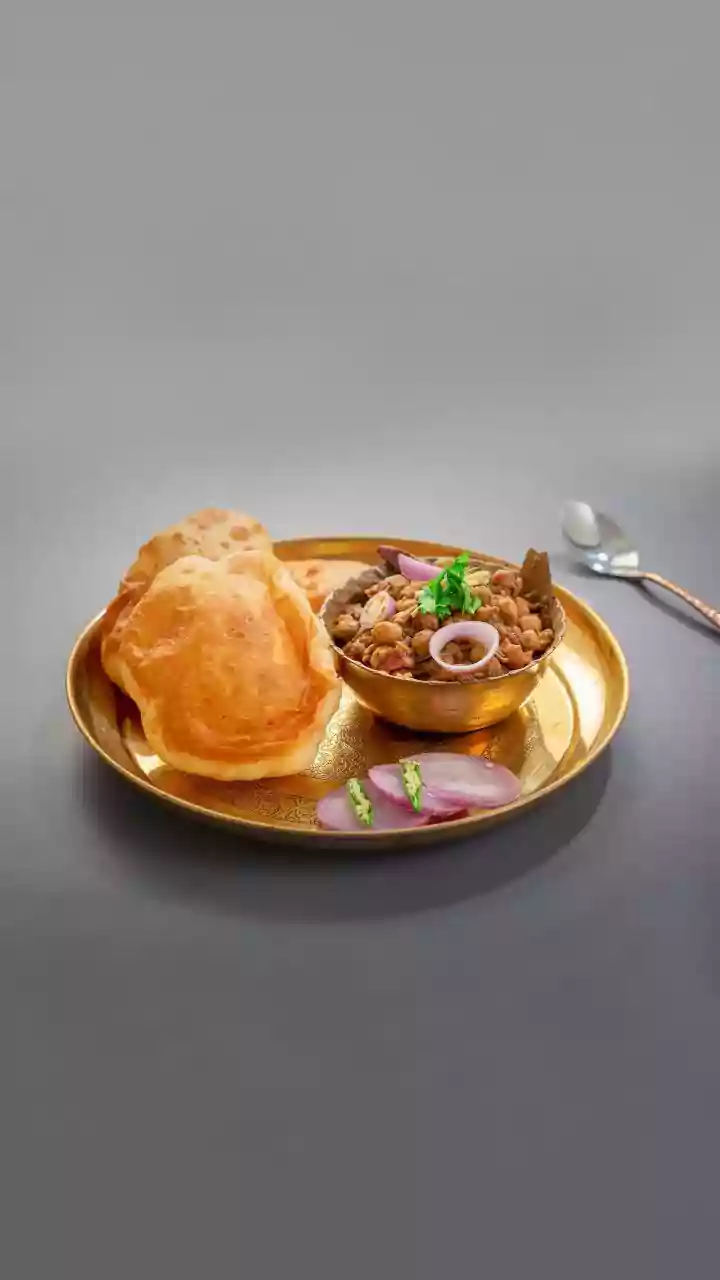
of their homelands to the International Space Station (ISS). The menu was a testament to the cultural importance of food, featuring Indian dishes like aloo choley and halwa, Polish pierogies, and Hungarian paprika paste alongside standard space fare. This wasn't just for novelty; providing familiar foods is a crucial strategy for maintaining crew morale and a connection to Earth during long, isolated missions in a confined environment.
More Than Just Calories
In the sterile, high-stakes environment of space, food takes on an outsized psychological importance. Shared meals are one of the few times crew members can relax and bond, strengthening team cohesion. For astronauts thousands of kilometres from everyone they know, a familiar taste can be a powerful antidote to stress and menu fatigue—the boredom that sets in from eating a repetitive diet. Research has consistently shown that food variety, quality, and personal preference have a significant impact on an astronaut's well-being and performance. Even the simple act of caring for and harvesting fresh plants, like salad greens grown on the ISS, has proven to be a therapeutic and morale-boosting activity.
The Science of Space Cuisine
Every food item that flies to space must first pass a gruelling selection process grounded in hard science. An astronaut's body behaves differently in microgravity. Fluids shift upwards, leading to stuffiness that can dull the senses of taste and smell, which is why many astronauts report craving spicier, more flavourful food. Nutritionally, the requirements are precise. Astronauts need between 1,900 and 3,200 calories per day, depending on their size and workload, to fuel demanding tasks and daily two-hour exercise regimens designed to combat bone and muscle loss. Diets must be carefully balanced, often with lower sodium and increased Vitamin D, to counteract the physiological effects of living in orbit.
The Gauntlet of Gravity
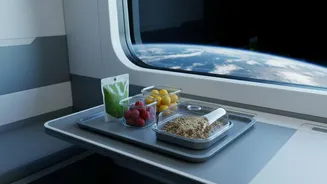
Before a dish is approved, it must meet a strict set of technical criteria. Firstly, it must be lightweight and compact, as every kilogram launched into orbit is incredibly expensive. Secondly, it needs a long shelf life without refrigeration. Most foods are either freeze-dried (requiring rehydration with water on the station), or thermostabilized (heat-treated in a pouch, similar to military MREs). Most importantly, food must be low-crumb. In microgravity, floating crumbs aren't just a nuisance; they're a serious hazard that can be inhaled by astronauts or clog sensitive equipment and air filters. This is why bread is typically replaced with tortillas, and foods are often coated to prevent crumbling.
From Tasting Lab to Launchpad
The final menu is a collaboration between food scientists and the astronauts themselves. Months before a mission, crews participate in extensive taste-testing sessions, rating various commercial and specially prepared foods on flavour, texture, and aroma. This data allows scientists to build a menu that is not only nutritionally complete but also genuinely enjoyable for the crew. While a standard menu provides the nutritional baseline, astronauts get to select a certain number of 'bonus' items—personal favourites that can be anything from candies to a specific brand of coffee. It's this combination of rigorous science and personal touch that ensures astronauts are not just surviving, but thriving, with every meal they eat among the stars.