




The Harvest Moon Rice Cake: Songpyeon
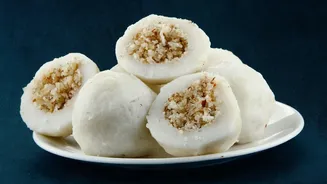
Songpyeon is a quintessential food of Chuseok, the Korean harvest festival often compared to Thanksgiving. These small rice cakes, or tteok, are traditionally made from newly harvested rice flour. The dough is kneaded and then filled with sweet ingredients
like honey, toasted sesame seeds, sweet red bean paste, or chestnuts. What makes songpyeon truly distinct is its shape: a perfect half-moon. This shape is deeply symbolic. According to Korean folklore, a full moon can only wane, while a half-moon is destined to grow fuller, representing hope, prosperity, and a bright future. Families traditionally gather to make songpyeon together, steaming them over a bed of pine needles which imparts a subtle, fresh fragrance and gives the sweet its name—'song' means pine tree.
The Tomb-Sweeping Treat: Qing Tuan
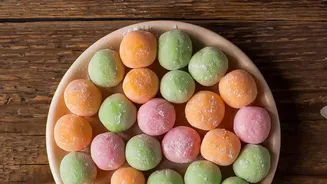
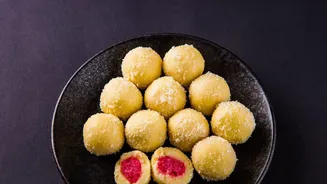
Meanwhile, qing tuan is a staple of China's Qingming Festival, also known as Tomb-Sweeping Day, which occurs in early spring. These are glutinous rice dumplings renowned for their vibrant, jade-green colour. This distinctive hue traditionally comes from the juice of fresh mugwort, an herb harvested only in spring, tying the snack intrinsically to the season. The practice of eating qing tuan is linked to the ancient Cold Food Festival, a time when lighting fires was forbidden, so foods had to be prepared in advance and eaten cold. Over centuries, this custom merged with Qingming rituals, where qing tuan were used as offerings to ancestors before being enjoyed by families. Classically, these round dumplings are filled with a smooth, sweet red bean paste, though modern variations now include everything from salted egg yolk to pork floss.
A Tale of Two Textures
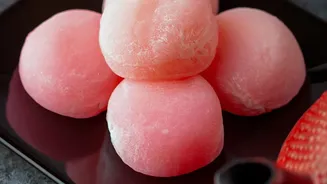
The online comparison between songpyeon and qing tuan stems from their shared identity as glutinous rice cakes associated with major cultural holidays. Both are often green and feature sweet fillings, making them appear similar to the uninitiated. However, the headline's claim of a "similar shape" requires clarification. While some regional songpyeon can be roundish, the most iconic version is the half-moon, a stark contrast to the typically spherical qing tuan. The core differences lie in their ingredients and cultural context. Songpyeon's dough is simply rice flour, sometimes coloured with natural ingredients like spinach or pumpkin, while qing tuan's identity is defined by the earthy flavour of mugwort kneaded into the rice flour. Furthermore, one is a symbol of autumn harvest gratitude, the other a sign of spring and ancestral remembrance.
More Than Just a Sweet
The discussion sparked by these two sweets highlights how food acts as a powerful vessel for cultural identity. In East Asia, where culinary traditions have overlapped and influenced one another for centuries, similarities are common. Rice, glutinous flour, and sweet bean paste are foundational ingredients across the region. The comparison is less about determining an origin and more about understanding what these foods represent. For many Koreans, songpyeon is a unique symbol of their heritage and the Chuseok spirit of thanksgiving; an old saying even suggests that a woman who makes beautiful songpyeon will have a beautiful daughter. For many Chinese people, eating qing tuan is a way to "taste spring" and connect with ancestors in a tradition spanning over a thousand years.
Culinary Cousins, Not Clones
Ultimately, the case of songpyeon and qing tuan is a perfect example of how two cultures can arrive at similar culinary concepts independently, each embedding them with unique meaning. The debate isn't about rivalry, but recognition—of both shared roots and distinct identities. Many cuisines feature a version of a filled dumpling or a festive bread, but the specific rituals, ingredients, and stories behind them are what give them their soul. The half-moon of the songpyeon tells a story of future growth, while the round, green qing tuan speaks of spring's renewal and reverence for the past. They are culinary cousins, not clones, each telling a profound story about the culture it comes from. This comparison invites us to look closer, past the initial shape or colour, and appreciate the rich, distinct histories sealed inside each delicious bite.