





Mokokchung: The Ao Cultural Heartland
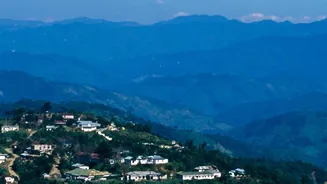
Known as the cultural and intellectual capital of the Ao Naga people, Mokokchung offers a different pace of life compared to Kohima. The district is a cluster of scenic villages, each with its own story. Start at Mokokchung town, which serves as an excellent
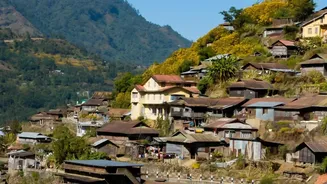
base for exploring the region. From here, venture out to Mopungchuket, a village designated for rural tourism, where you can see traditional wooden sculptures, visit a small museum, and walk through tranquil tea gardens. Another must-visit is Longkhum, a hilltop village offering panoramic views and a serene escape from the crowds. This region produced Nagaland's first chief minister and has a deep political and cultural legacy. For the best weather, plan your visit between September and November when the hills are lush and the climate is perfect for exploration.
Mon: Land of the Konyak Nagas
A journey to Mon district in northern Nagaland is a journey back in time. This is the home of the Konyak Nagas, a tribe historically known for its headhunting past and distinctive facial tattoos. The main attraction here is Longwa village, a place of unique geographical and cultural significance. The village chief's, or Angh's, house famously straddles the international border between India and Myanmar. Villagers here hold dual citizenship and move freely across the border for their daily activities. A visit to Longwa provides an opportunity to meet the last generation of tattooed elders, see skilled local artisans creating metalwork and woodcarvings, and experience the rhythm of life in one of India's most remote and fascinating border regions. The Aoling festival, celebrated in April, is a vibrant showcase of Konyak culture.
Dzukou Valley: The Valley of Flowers
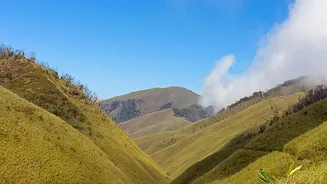
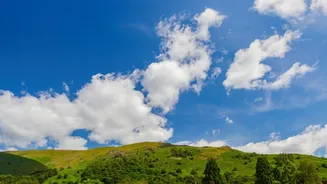
For trekkers and nature lovers, the Dzukou Valley is Nagaland's crown jewel. Situated at an altitude of over 2,400 metres on the border of Nagaland and Manipur, this valley is renowned for its rolling, emerald-green hills that feel like a giant natural amphitheater. The trek itself is a moderate challenge, typically done over two days with an overnight stay in a basic rest house. There are two main starting points near Kohima: the Viswema route, which is longer but gentler, and the Jakhama route, which is steeper and shorter. The best time to visit depends on what you want to see. Go between June and July for the famous Dzukou lily bloom, or between October and November for clear skies and dry trails. Either way, the otherworldly landscape of meandering streams and seasonal flowers offers a profound sense of peace and solitude.
Phek: For Hills, Lakes, and Solitude
Located in southeastern Nagaland, Phek district is a destination for those seeking tranquility amidst rich flora and fauna. Predominantly inhabited by the Chakhesang and Pochury tribes, this region is a tapestry of rolling hills, rivers, and lakes. A key attraction is Shilloi Lake, the largest natural lake in Nagaland, which is a beautiful spot for picnics and birdwatching. The district is also home to Pfutsero, one of Nagaland's highest and coldest towns, offering stunning views from Glory Peak and a glimpse into local agriculture, including apple orchards. For history enthusiasts, the village of Khezhakeno is believed to be the ancestral home of several Naga tribes. With its scenic landscapes and minimal tourism infrastructure, Phek is ideal for travellers wanting an authentic cultural experience away from the more crowded circuits.
Khonoma: Asia’s First Green Village
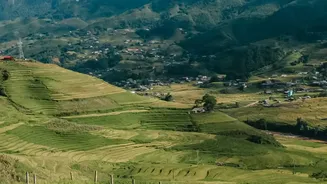
Just 20 kilometres from Kohima lies Khonoma, a village that has become a powerful symbol of community-led conservation. In 1998, the Angami Naga residents of this 700-year-old village collectively decided to ban hunting and logging, establishing the Khonoma Nature Conservation and Tragopan Sanctuary. Today, visitors can explore its lush terraced paddy fields, dense forests, and learn about the community's journey towards sustainability. Khonoma offers a slower, more immersive travel experience. Staying in a locally-run homestay provides a chance to enjoy regional food and hear stories about the village's history of resistance and conservation. A guided walk through the village reveals its fortified stone gateways and intricately managed agricultural landscape, making it a compelling stop for anyone interested in eco-tourism and cultural preservation.