



Identifying African Jasmine
When we talk about 'African Jasmine,' we are often referring to a few different species native to the continent, most notably the Starry Wild Jasmine (Jasminum multipartitum) and South African Jasmine (Jasminum angulare). These plants belong to the true
jasmine genus, which is part of the olive family. They are celebrated for their glossy, dark-green foliage that provides a stunning backdrop for their delicate flowers. Unlike some other plants that share the common name 'jasmine,' these African varieties are prized for both their genuine, sweet scent and their elegant appearance as evergreen vines or scrambling shrubs. Their hardiness and rewarding nature make them a favourite among gardeners worldwide.
An Unforgettable, Heady Fragrance
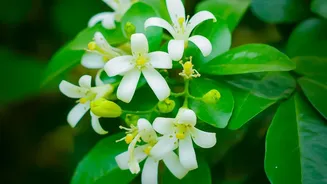
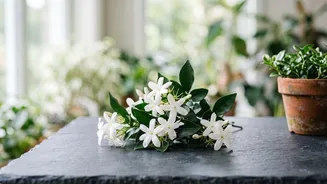
The most defining characteristic of African Jasmine is its powerful and enchanting fragrance. The scent is often described as sweet, heady, and classically floral, with an intensity that grows stronger in the evening and at night. This quality makes it particularly magical on a warm summer evening, where its perfume can fill an entire patio or garden. The fragrance comes from its waxy, star-shaped white flowers, which often emerge from pink- or red-tinted buds. Just a few cut sprigs can infuse an entire room with their delightful aroma, making it a popular choice for natural home scenting. The oil is also popular in home fragrance products like burners and diffusers for its soothing properties.
A Visual Staple in the Garden
Beyond its scent, African Jasmine is a versatile and visually striking plant for landscaping. It can be trained as a climbing vine to cover a trellis, fence, or pergola, or allowed to grow as a mounding shrub that adds lush greenery to garden beds and borders. Its ability to thrive in full sun to partial shade makes it adaptable for various garden designs. The contrast between its glossy, deep green leaves and the profusion of bright white, star-like flowers creates a dramatic and elegant effect. Because it's an evergreen, it provides year-round foliage and structure, preventing the garden from looking bare in cooler months.
Container Gardening and Indoor Charm
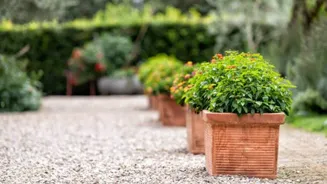
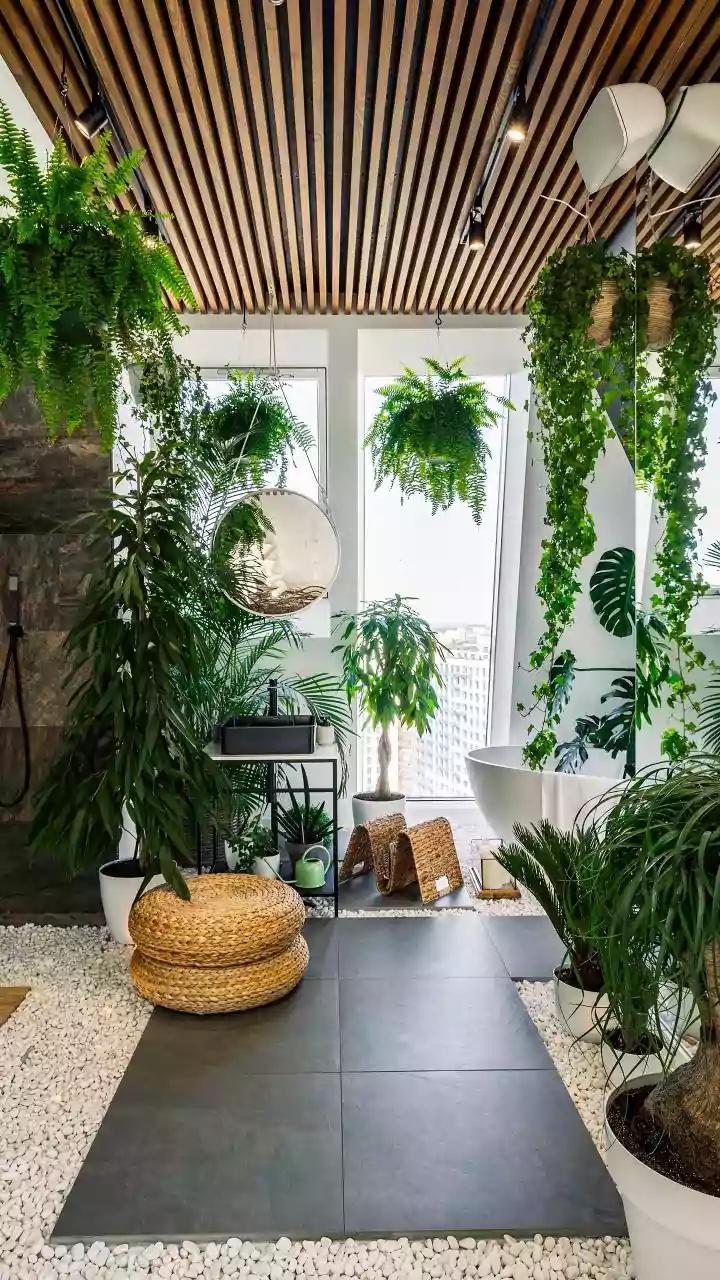
For those with limited space, African Jasmine performs wonderfully in containers. A potted jasmine on a balcony, patio, or near a doorway allows you to enjoy its fragrance up close. When grown in a pot, its size can be easily managed through regular pruning. Some varieties can also be grown as houseplants, provided they are placed near a sunny window where they can receive at least four to six hours of bright, indirect light. Growing it indoors requires attention to humidity and temperature, but the reward is having its beautiful blooms and signature scent right inside your home.
Traditional and Modern Home Uses
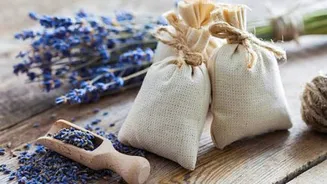
The uses for African Jasmine extend beyond the garden. Traditionally, the dried flowers have been used in sachets and potpourri, not only for their lasting fragrance but also as love charms. Some traditions even use the flowers to make herbal tea. In modern homes, the flower's aesthetic and scent are harnessed in various ways. Freshly cut stems are a popular addition to floral arrangements, as the buds will continue to open after being picked. The petals can be added to baths for a fragrant, spa-like experience or used to create homemade scented oils and waters.
Supporting Local Wildlife
Planting African Jasmine also serves an ecological purpose. Its fragrant flowers are highly attractive to pollinators like butterflies and moths, particularly Hawk moths, which are instrumental in its pollination. After the flowering season, the plant produces small, shiny black berries that are edible and relished by birds. The dense, intertwined branches of the shrubby vine also provide a safe and effective platform for birds to build their nests, making it a valuable addition to any wildlife-friendly garden.