




NASA is charting a faster course back to the Moon. In a significant strategy update, the space agency announced new measures to accelerate its ambitious Artemis program, aiming to land astronauts on the lunar surface sooner than expected.
A New Urgency for a Lunar Return
In a move signalling
a major push, NASA leadership has outlined a revised strategy to get its Artemis moon missions back on an accelerated track. The announcement addresses growing concerns about potential delays that have plagued the complex program, which aims to establish a sustainable human presence on the Moon for the first time in over half a century. While the official timeline for Artemis III's lunar landing is still pegged for the coming years, officials are now focused on 'aggressively clawing back' time lost to supply chain issues and developmental hurdles. The new approach is less about cutting corners and more about working smarter and faster, according to statements from agency heads.
How to Speed Up a Moonshot
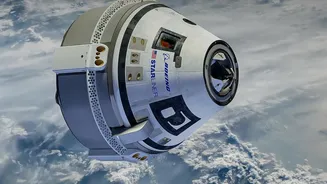
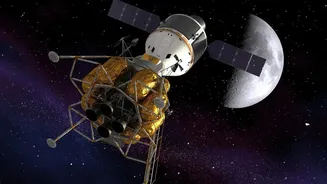
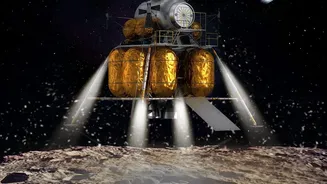
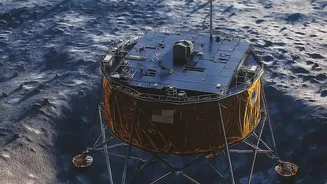
So, how does one speed up a multi-billion dollar, technologically unprecedented mission? NASA’s plan involves several key adjustments. First, it will adopt more parallel workstreams, allowing different teams and contractors to develop and test components simultaneously rather than waiting for one phase to end before another begins. Second, there will be greater reliance on commercial partners like SpaceX and Blue Origin, which are building the Human Landing Systems. NASA intends to grant them more autonomy in their testing and development processes, shifting its own role towards verification and final approval rather than daily oversight. This model has proven successful with the Commercial Crew program that now sends astronauts to the International Space Station.
Safety Protocols Remain Untouched
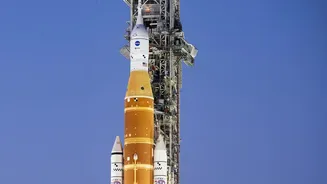
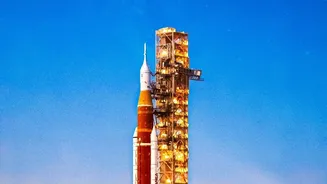
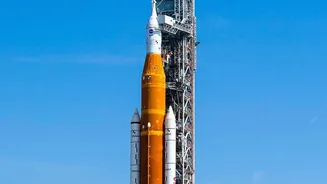
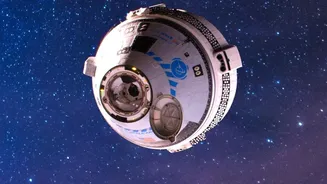
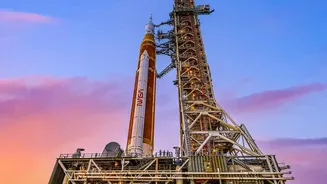
Agency officials were quick to emphasise that this acceleration will not come at the cost of crew safety. Key safety milestones and tests, described as the program’s 'north star', remain non-negotiable. This includes full-duration engine firings for the Space Launch System (SLS) rocket, rigorous testing of the Orion spacecraft’s heat shield, and extensive simulations of every phase of the mission. The life support systems and new-generation spacesuits will also undergo the complete, unabridged testing schedule. The efficiencies are being sought in administrative processes, software development cycles using AI-driven tools, and by eliminating redundancies in ground operations, not in the critical hardware that keeps astronauts safe.
The Geopolitical and Budgetary Drivers
The push for a faster timeline isn't happening in a vacuum. While not explicitly stated as the primary driver, there's an unspoken space race unfolding, with China's ambitious lunar program aiming to land its own astronauts on the Moon around 2030. Maintaining a lead in space exploration is a matter of national prestige and strategic advantage for the United States. Furthermore, the Artemis program operates under immense budgetary pressure. By accelerating the timeline, NASA can demonstrate tangible progress to lawmakers, potentially securing the consistent, longterm funding needed to see the mission through to Mars. Delays are expensive, and a proactive strategy to mitigate them is also a fiscally responsible one.
The Road Ahead for Artemis
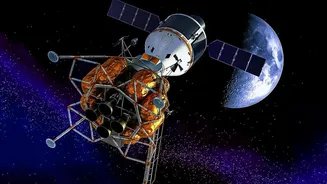
With this new framework, the next few years will be critical. The upcoming Artemis II mission, which will fly astronauts around the Moon for the first time since the Apollo era, is a pivotal test of the Orion spacecraft and its systems. The success of that mission will be the true litmus test for this accelerated approach. Following that, all eyes will be on the readiness of the commercial landers for the historic Artemis III landing. This new strategy is a highstaked gambit, balancing the urgent call of exploration with the solemn duty of ensuring every astronaut returns home safely. The agency is betting that its blend of legacy expertise and newage commercial partnerships is the right formula to win this century's race to the Moon.