



First, Understand Why Your Skin Is Changing
As we age, our skin's biology shifts. The sebaceous glands, which produce the skin's natural oils (sebum), become less active, leading to a reduction in moisture. This process often becomes noticeable in our 40s and 50s. Furthermore, the production of substances
that keep skin plump and hydrated, like hyaluronic acid and ceramides, declines. Ceramides are lipids that form a protective barrier, and when they deplete, moisture escapes more easily, making skin more susceptible to dryness and irritation. Cell turnover, the process of shedding old skin cells to make way for new ones, also slows down significantly. This can result in a buildup of older, less hydrated cells on the surface, causing a dull appearance.
Rethink Your Cleansing Habits
The foundation of any good routine is cleansing, but harsh formulas can strip already-dry skin of its essential oils. Switch to a gentle, creamy, or oil-based cleanser that effectively removes dirt and makeup without leaving your skin feeling tight. Look for products that are fragrance-free and formulated for dry or sensitive skin. It’s also wise to use lukewarm water instead of hot water, which can further dehydrate the skin. After cleansing, gently pat your skin dry with a towel rather than rubbing, which can cause unnecessary irritation. This simple change helps preserve your skin’s delicate moisture barrier right from the first step.
Layer Hydration with Powerful Serums
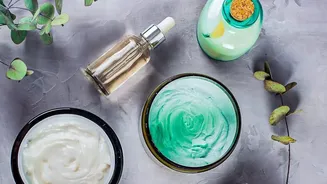
Serums deliver a concentrated dose of active ingredients deep into the skin. For dry and slow-recovering skin, three ingredients are particularly beneficial: hyaluronic acid, ceramides, and peptides. Hyaluronic acid is a humectant that draws moisture into the skin, helping it look plumper. Ceramides are crucial for rebuilding and maintaining the skin's barrier, preventing water loss and protecting against environmental irritants. Peptides are short chains of amino acids that are the building blocks of proteins like collagen and elastin, which help improve skin firmness and support repair. Applying a serum containing these ingredients after cleansing will provide targeted support for hydration and recovery.
Lock It In With the Right Moisturiser
After applying a serum, you need to seal in the moisture with a good moisturiser. As skin becomes drier, a lightweight lotion may no longer be sufficient. Look for richer creams or ointments that create a more substantial barrier. Along with ceramides and hyaluronic acid, look for ingredients like shea butter or glycerin. Apply your moisturiser morning and night while your skin is still slightly damp to maximise absorption and lock in hydration. At night, consider a dedicated night cream, which is often thicker and contains ingredients formulated to support the skin's natural repair cycle while you sleep.
Exfoliate Gently and Mindfully
While it might seem counterintuitive to exfoliate dry skin, removing the buildup of dead cells is essential for allowing your hydrating products to penetrate effectively. However, aggressive scrubbing can cause micro-tears and irritation. For dry and sensitive skin, experts often recommend gentle chemical exfoliants over harsh physical scrubs. Look for products with alpha-hydroxy acids (AHAs) like lactic acid, which exfoliates while also having hydrating properties. Another option is a grainless physical exfoliant, sometimes called a gommage, which gently lifts dead skin without abrasive particles. Limit exfoliation to once or twice a week and always follow with a moisturiser.
Lifestyle Habits That Support Skin Recovery
What you do beyond the bathroom counter also plays a huge role in skin health. Chronic stress and lack of sleep can impair skin recovery and trigger inflammation. Aim for seven to nine hours of quality sleep per night to allow your skin time to repair itself. Staying hydrated by drinking enough water is fundamental, while limiting dehydrating culprits like excessive alcohol and caffeine can also make a difference. Furthermore, a balanced diet rich in antioxidants, vitamins, and lean proteins provides the building blocks for healthy skin from the inside out. Finally, daily use of a broad-spectrum sunscreen with an SPF of 30 or higher is non-negotiable to prevent further damage and protect your skin as it recovers.