



Why Spice Purity Matters
Adulteration in spices is not just a matter of being cheated on quality; it's a serious health risk. Unscrupulous sellers often mix spices with cheaper, and sometimes toxic, substances to increase weight and profit. Common adulterants include sawdust,
brick powder, chalk, artificial colours, and even lead chromate, a known carcinogen. These can lead to a range of health issues, from digestive problems to severe organ damage over time. Ensuring the purity of staples like cumin, turmeric, and chilli powder is a crucial step in safeguarding your family's health. Fortunately, a few quick kitchen tests can help you spot these dangerous impurities.
Test 1: Checking Cumin (Jeera) Seeds
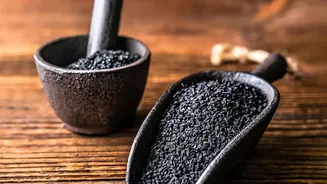
Cumin seeds are frequently adulterated with cheaper materials like grass seeds, which are sometimes coloured with charcoal dust to make them look authentic. The FSSAI recommends a simple palm test to detect this. Vigorously rub a small quantity of cumin seeds between your palms. If your palms turn black or greyish, it indicates the presence of artificial colouring like charcoal dust. Pure, unadulterated cumin seeds will not leave any colour on your hands. You can also perform a water test by soaking the seeds. If they immediately release a dark colour into the water, they are likely coated with artificial dyes.
Test 2: Detecting Impurities in Turmeric Powder
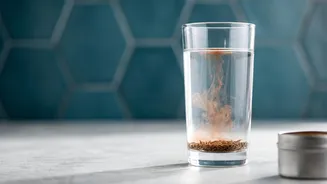
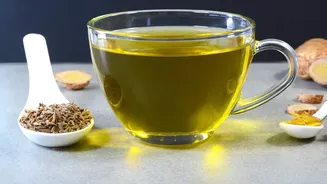
Turmeric powder is often adulterated with metanil yellow, a banned synthetic dye, to give it an unnaturally bright colour. The FSSAI's recommended water test is highly effective for spotting this. Take a clear glass of lukewarm water and add a teaspoon of turmeric powder. Do not stir. Let it settle for a few minutes. Pure turmeric will settle down slowly at the bottom, leaving the water with a light yellow tint. However, if the turmeric is adulterated with artificial colours, you will see strong, bright yellow streaks descending into the water almost immediately as the powder settles. Another test involves adding a few drops of hydrochloric acid or lime juice to a turmeric and water mixture; a pink or magenta colour indicates the presence of metanil yellow.
Test 3: Spotting Adulteration in Chilli Powder
Red chilli powder is another kitchen staple at high risk of adulteration, commonly mixed with brick powder, sand, soapstone, or artificial dyes to enhance its colour and weight. The FSSAI suggests a water test to check for these impurities. Sprinkle a spoonful of chilli powder into a glass of water. Pure chilli powder will settle slowly. If you see streaks of vibrant red colour as the powder descends, it indicates the presence of an artificial dye. After it settles, take a small amount of the residue from the bottom and rub it on your palm. A gritty feeling suggests the presence of brick powder or sand, while a smooth or soapy texture points to adulteration with soapstone.
Test 4: Checking Black Pepper and Powdered Spices
Black pepper is often bulked up with papaya seeds, which look similar but lack the pungency and health benefits. A simple float test can reveal this. Drop a few whole peppercorns into a glass of water. Pure, dense black pepper will sink to the bottom, whereas the lighter papaya seeds will float on the surface. For general spice powders like coriander or cumin powder, you can check for sawdust or husk. Sprinkle the powder on the surface of water. Pure spice will gradually sink, but adulterants like sawdust will float on top.
Smarter Shopping for Safer Spices
While these home tests are excellent for screening, the best defence starts at the store. Whenever possible, buy whole spices instead of powders, as they are harder to adulterate. When buying packaged spices, choose trusted brands that comply with FSSAI regulations and clearly list ingredients. Be wary of loose spices, especially those that appear unnaturally bright or are sold at unusually low prices. Reading labels and looking for quality certifications can go a long way in ensuring that what you bring into your kitchen is pure, safe, and authentic.