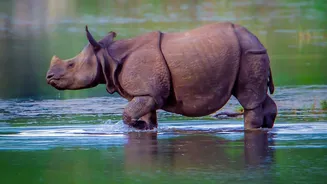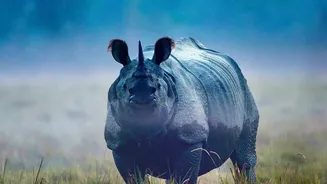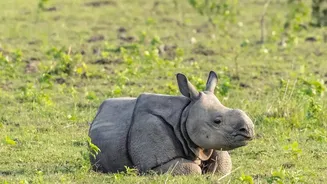



When you think of Assam, chances are the first image that comes to mind is the majestic one-horned rhinoceros. But while Kaziranga is iconic, the state offers a far richer tapestry of experiences, from serene river islands to misty hills.
Majuli: The Cultural Heart on the River
Majuli is not
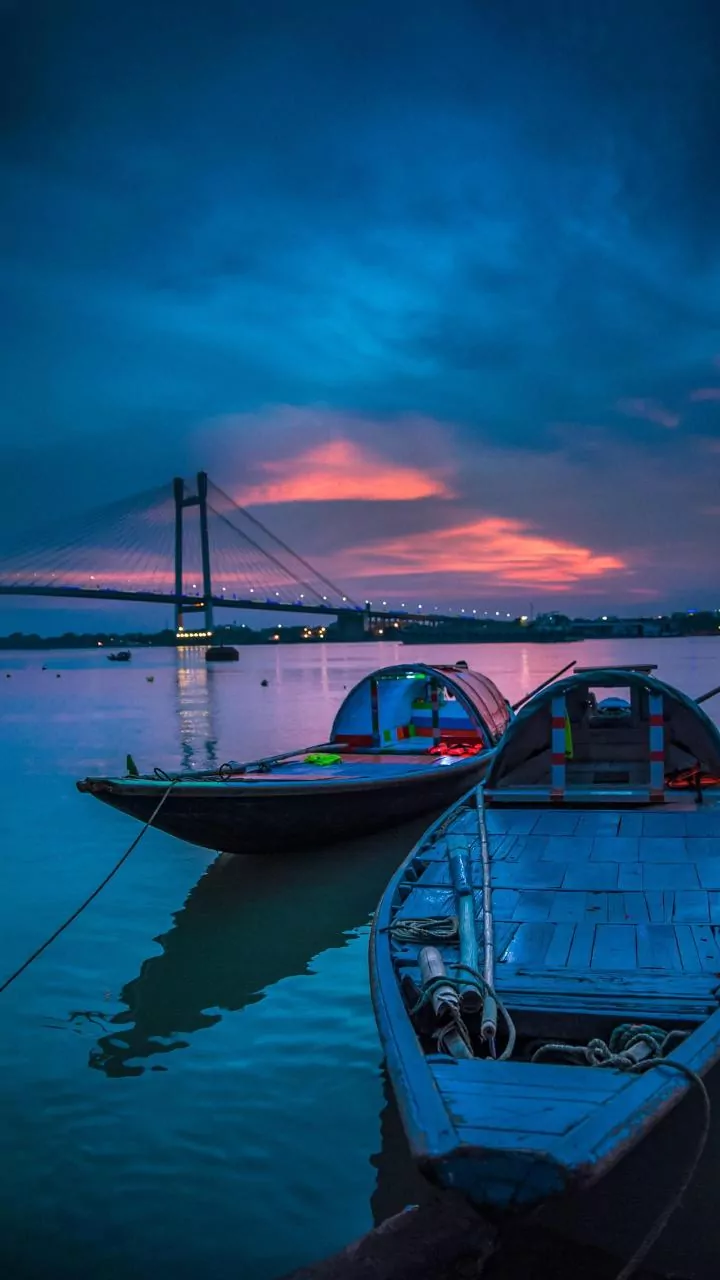
just a destination; it's an experience. As one of the world's largest river islands, nestled in the Brahmaputra, it is the epicentre of Assam's Neo-Vaishnavite culture. Life here moves at a different pace, dictated by the river and seasons. Visitors can explore 'Satras', which are centuries-old monasteries that function as living cultural centres for traditional music, dance, and mask-making. Cycling along quiet roads, visiting pottery villages like Salmora, and staying in bamboo cottages offer an immersive glimpse into a unique way of life. The journey to Majuli, typically by a ferry from Jorhat, is part of its charm, offering a slow, scenic introduction to this tranquil island.
Haflong: Assam's Only Hill Station
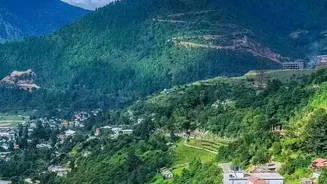
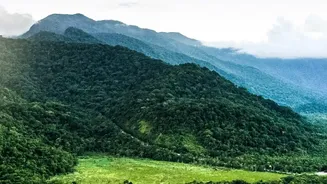
A surprise for many who associate Assam with sprawling plains, Haflong is the state's lone hill station, offering a refreshing change of scenery and climate. Located in the Dima Hasao district, it's a paradise for nature lovers, with rolling green hills, picturesque lakes, and gushing waterfalls. The Haflong Lake, right in the heart of the town, is perfect for boating and leisurely walks. Nearby, the village of Jatinga is known for the mysterious phenomenon of birds congregating during post-monsoon months. For a dose of history, travellers can visit Maibong, the former capital of the Dimasa Kingdom, to see its stone carvings and temple ruins. The journey to Haflong, especially by the Vistadome train, provides panoramic views of the mountains and valleys.
Manas National Park: A Wilderness Gem
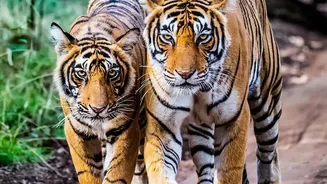
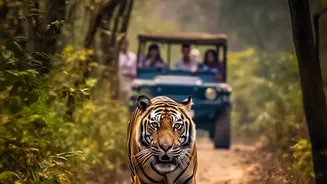
While Kaziranga is famous for rhinos, Manas National Park offers a different, wilder safari experience. A UNESCO World Heritage Site located on the border with Bhutan, its landscape is a stunning mix of grasslands, dense forests, and the clear Manas River. This biodiversity hotspot is a Tiger Reserve and an Elephant Reserve, and it is one of the last remaining homes for rare species like the pygmy hog, hispid hare, and golden langur. Manas has made a remarkable recovery after facing conservation challenges, and was removed from UNESCO's 'in Danger' list in 2011. It provides a less crowded but equally rewarding wildlife adventure, showcasing the spectacular natural beauty of the Himalayan foothills.
Dibru-Saikhowa: A Riverine Biosphere Reserve
For those seeking an off-the-beaten-path adventure, Dibru-Saikhowa National Park is a must-visit. It's a biosphere reserve comprising semi-evergreen forests, swamps, and grasslands, bounded by the Brahmaputra and Dibru rivers. This park is particularly famous for its population of feral horses, descendants of army horses left behind after World War II. It's also an Important Bird Area, attracting hundreds of species, including the rare white-winged wood duck. The best way to explore this riverine ecosystem is by boat safari, which offers chances to spot Gangetic dolphins in the waterways. Staying in houseboats or eco-camps near the park provides a unique opportunity to connect with this pristine environment.
Dehing Patkai: The Amazon of the East
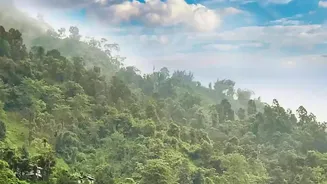
Known as the 'Amazon of the East', Dehing Patkai is the largest stretch of tropical lowland rainforest in India. This lush landscape, made up of the Jeypore, Upper Dehing, and Dirok rainforests, is a treasure trove of biodiversity. Its towering Hollong trees, the state tree of Assam, create a dense canopy that is home to an incredible seven species of wildcats, including the tiger, leopard, and clouded leopard. It's also a primate paradise, with seven different species like the Hoolock Gibbon and Slow Loris. For travellers wanting a deep forest experience, guided walks through sanctuaries like Hoollongapar Gibbon Sanctuary offer a chance to hear the sounds of the jungle and appreciate its rich, layered ecosystem at a slower pace.