





The Halo Effect of a Pretty Plate
We've all heard the phrase 'we eat with our eyes first', and modern research confirms it's more than just an old saying. The visual appeal of a meal significantly shapes our expectations about its taste, quality, and, crucially, its healthiness. Studies
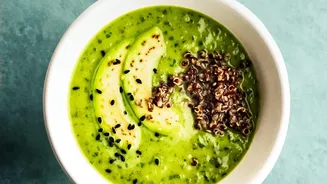
have shown that when food is presented in an attractive way, we are more likely to perceive it as healthy. For instance, researchers presented participants with two images of avocado toast. One was beautifully arranged with neat slices, while the other was a messy heap. Despite having identical ingredients, the 'pretty' toast was consistently rated as more natural and healthier. This phenomenon, often called a 'halo effect', happens because our brains associate beauty and order with nature. A key feature of this is classical aesthetics—principles like symmetry, balance, and systematic patterns—which are common in the natural world. When we see these patterns on our plate, we subconsciously link the food to being more natural and pure, and therefore, better for us.
Order, Symmetry, and Centre Stage
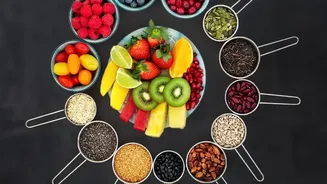
One of the most powerful visual cues is organisation. A plate of food that is arranged with a clear sense of order and symmetry is often judged to be healthier. In one study, simply placing food in food in the middle of a plate, as opposed to off to the side, made diners perceive it as tastier. This preference for balance is deeply ingrained. Symmetrical shapes are often evaluated more positively than asymmetrical ones, triggering an intuitive feeling that the food is more natural and less processed. It’s a trick advertisers have used for years, presenting perfectly round pizzas with flawlessly distributed toppings to make them seem more appealing and, subtly, more wholesome. In another recent study, researchers even found that how sauce is presented matters. A dish with sauce placed neatly on the side was perceived as significantly healthier than the same dish with the sauce drizzled all over it.
The Case for a 'Chaotic' Environment
While a neatly organised plate can signal health, the environment in which we eat plays a huge role in our choices. A chaotic and messy setting can have the opposite effect, encouraging us to make less healthy decisions. A Cornell University study found that people in a cluttered kitchen ate more indulgent snacks. Researchers observed that when women were placed in a messy kitchen, they consumed twice as many cookies as those in a tidy, organised one. The lead author suggested that being in a chaotic environment can make people feel out of control, leading to the thought, 'Everything else is out of control, so why shouldn't I be?'. This suggests that our perception of order isn't just about the food itself, but also the space around us. A calm, organised environment can support more mindful eating, while a messy one can unconsciously nudge us towards unhealthy comfort foods.
A Rainbow on Your Plate
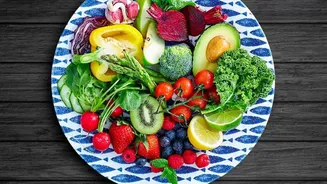
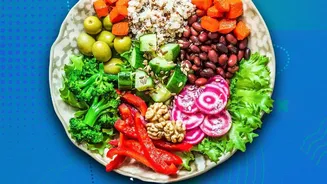
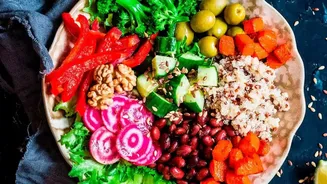
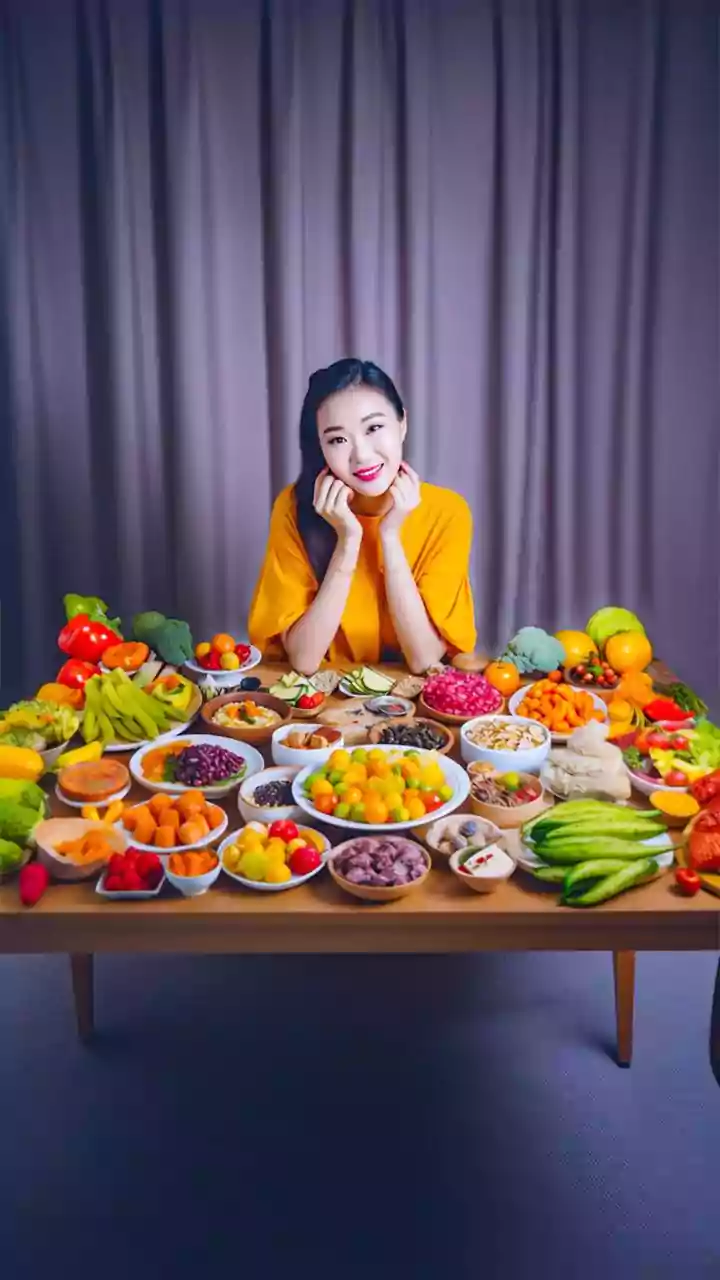
Beyond arrangement, colour is a powerful determinant of how we perceive food. A plate filled with vibrant, varied colours is often seen as a sign of freshness and nutritional value. Think of a salad with bright red tomatoes, deep green spinach, and yellow peppers. This visual variety signals a diversity of nutrients. Research has shown that colours can influence our expectation of taste; for example, red and pink are often associated with sweetness, while green can be linked with freshness or even sourness. Warm colours like red and yellow have been found to stimulate the appetite, while cooler colours like blue can suppress it, partly because very few foods in nature are blue. This colour psychology is why a meal that looks bright and appealing can enhance our perception of it being a healthy choice before we even take a single bite.