


A Taste of Kashmir's Heritage
Known as Noon Chai, Sheer Chai, or Gulabi Chai, this unique beverage is a cornerstone of Kashmiri culture. The word 'noon' itself means salt in the local language, immediately signaling that this is no ordinary tea. For centuries, it has been a symbol
of hospitality, served to guests as a warm welcome and enjoyed by families multiple times a day, often from a traditional kettle called a samovar. Typically, it is served with local breads like girda or kulcha, especially for breakfast, providing comfort and sustenance through the region's harsh winters. Its origins are thought to be connected to the ancient Silk Road, where salted teas were common in high-altitude regions to help prevent dehydration.
The Science Behind the Pink Hue
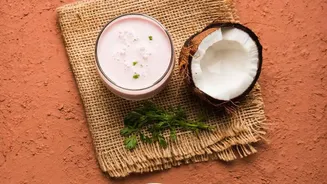
The most striking feature of Noon Chai is, without a doubt, its beautiful pink colour. This isn't the result of any artificial colouring, but rather a fascinating chemical reaction. The tea is made with a specific type of green tea leaf, often gunpowder tea, which is brewed for an extended period. A crucial ingredient is a pinch of baking soda (sodium bicarbonate). When the alkaline baking soda is added to the tea, it reacts with polyphenols in the tea leaves called chlorophyll. This reaction, combined with a vigorous aeration process where the tea is repeatedly poured from a height, transforms the brew into a deep, burgundy-red concentrate called 'tueth'. When milk is finally added to this reddish liquid, the colour magically transforms into its signature rosy pink.
Not Your Average Cup of Chai
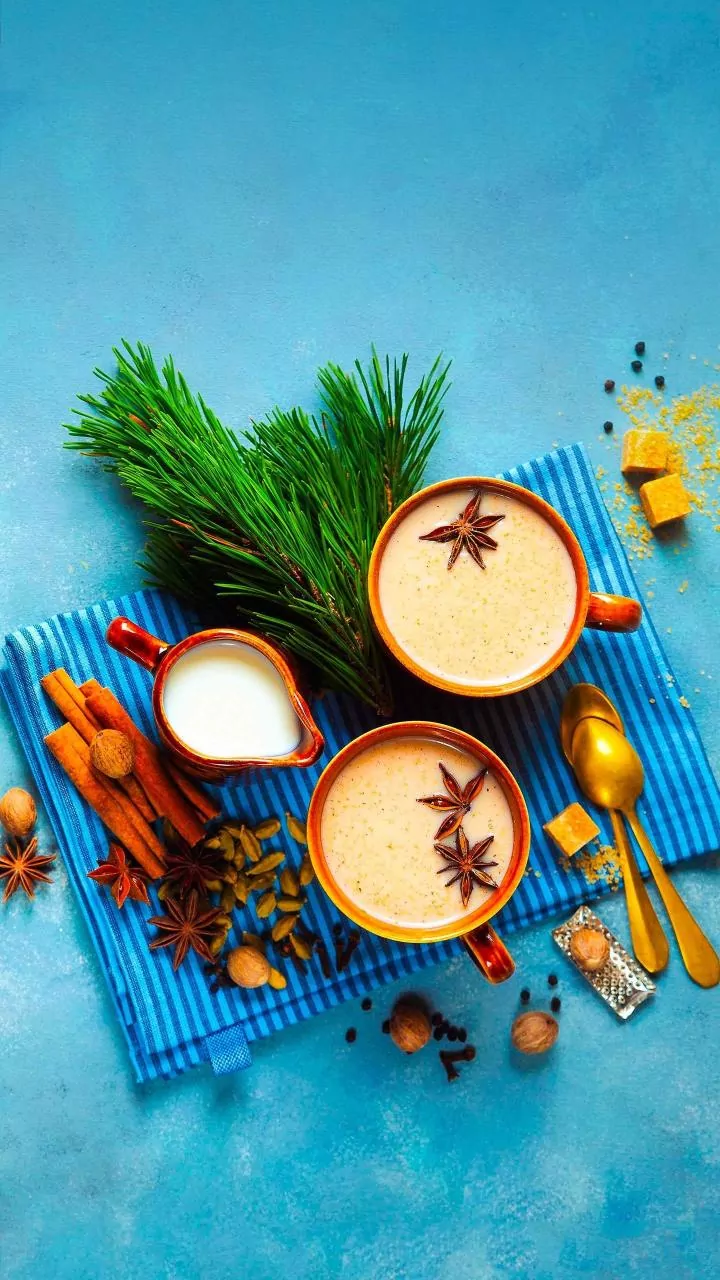
For most of India, chai is synonymous with a sweet, milky brew infused with spices like cardamom, ginger, and cloves. Noon Chai turns this expectation on its head. Its primary flavour profile is savoury, creamy, and slightly nutty. The essential ingredient is salt, which provides a distinctive taste that can be surprising to the uninitiated. While the base is made from green tea leaves, milk, and salt, it can also be delicately spiced with cardamom or star anise. The final touch is often a garnish of crushed nuts like pistachios and almonds, adding texture and richness to the creamy beverage. Though traditionally salty, some modern versions served outside Kashmir may include sugar to appeal to a wider palate.
A Ritual of Warmth and Resilience
In Kashmir, preparing and drinking Noon Chai is more than just a daily habit; it's a deeply ingrained ritual. The slow, deliberate process of brewing the tea—boiling, aerating, and simmering—is a form of meditation in itself, reflecting patience and care. It serves as a symbol of community, bringing families together and marking festive occasions. Anthropologists note that the salty flavour, instead of sweet, can be seen as a metaphor for the resilience of the Kashmiri people, embracing life's varied tastes, not just the pleasant ones. Every sip is said to contain a collective memory of shared histories and cultural identity, offering warmth not just to the body, but to the soul.