




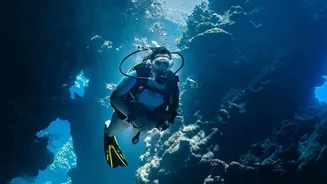
What Exactly Is a Discover Scuba Program?
A Discover Scuba Diving (DSD) or 'Try Scuba' program is a short, non-certification experience designed for absolute beginners. Offered by major diving agencies like PADI and SSI, it’s a 'taster session' that lets you experience the thrill of diving under
the direct supervision of a professional instructor. The entire experience typically lasts just a few hours and includes a basic theory briefing, an introduction to the gear, and a controlled dive in a pool or calm, shallow water like a sheltered bay. It’s the perfect way to see if diving is for you without the time and cost commitment of a full certification course.
No Experience Needed, Just Curiosity
The best part about these programs is that they assume you know absolutely nothing about scuba diving. The prerequisites are minimal: participants generally need to be at least 10 years old and in reasonable physical health. You don't need to be a competitive swimmer, but you should be comfortable in the water. Before the session, you'll fill out a medical questionnaire to flag any conditions, like asthma or heart issues, that might require a doctor's approval before diving. This is a crucial safety step to ensure the experience is safe and enjoyable for everyone.
From Briefing to Breathing Underwater
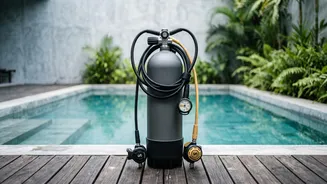
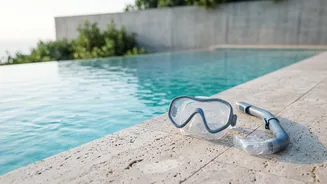
Your adventure begins on dry land with a clear, simple briefing from your instructor. They will explain the basic principles of how pressure affects your body, how to communicate underwater using hand signals, and how each piece of your scuba gear works. You’ll be introduced to the regulator (what you breathe from), the BCD (the jacket that helps you float), the air gauge, and the mask. The goal is to demystify the equipment and build your confidence. The first time you breathe underwater can feel strange, but instructors are experts at making you feel at ease, often having you practice in water shallow enough to stand up in.
Your First Underwater Skills
After getting comfortable breathing, you’ll move to a confined water setting, like a swimming pool, for some basic skills practice. Your instructor will be by your side as you learn a few essential techniques that every diver needs to know. These include how to clear water from your mask if a little gets in, how to recover your regulator if it falls from your mouth, and how to equalize the pressure in your ears as you descend. Mastering these simple skills in a controlled environment ensures you feel prepared and secure before venturing into open water.
The Main Event: Your Guided Dive
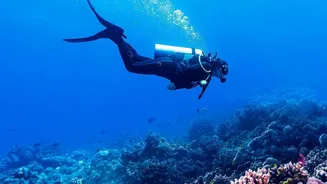
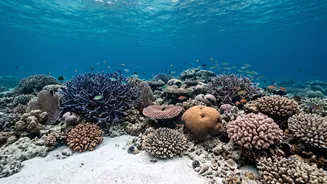
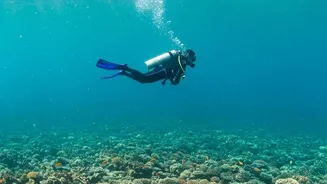
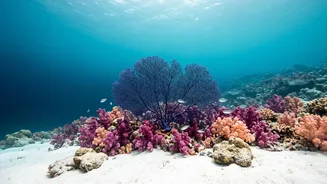
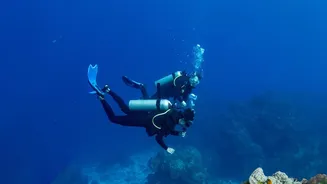
Once you're comfortable with the basics, it's time for the highlight: a guided dive. With your instructor always within arm's reach, you will descend slowly and explore the underwater world. These dives are always kept to a conservative depth, typically with a maximum of 12 meters (40 feet). This structured and highly supervised approach is a core reason why these programs are considered a safe introduction to the sport. You can simply relax, focus on your breathing, and enjoy the feeling of weightlessness as you take in the sights of the reef or aquatic environment around you.
What Happens After Your First Dive?
Many people find that one taste of the underwater world is all it takes to get hooked. If you fall in love with diving during your introductory experience, the good news is that it can often serve as a stepping stone. Some agencies allow your Discover Scuba Dive to count as credit toward the first confined water and open water dives of the full Open Water Diver certification course, provided you sign up within a certain timeframe. This certification allows you to dive with a buddy, without professional supervision, to depths of up to 18 meters (60 feet) anywhere in the world.