



The Situation on the Ground
As of early September 2026, the Ganga river in Varanasi has crossed its official warning level. According to the Central Water Commission, the water was recorded at 70.54 meters on Thursday morning, surpassing the warning mark of 70.26 meters. The river has been
rising steadily at a rate of about two centimeters per hour, pushing it closer to the designated danger level of 71.26 meters. This has prompted a major response from local authorities, including the district administration, police, and the National Disaster Response Force (NDRF), who are on high alert. Prime Minister Narendra Modi, who represents Varanasi in Parliament, has been in contact with local officials to monitor the situation and has directed them to ensure immediate relief for those affected.
A Perfect Storm of Causes
The flooding is not the result of a single event but a combination of factors common during India's monsoon season. Persistent and heavy rainfall in the region and upstream has saturated the ground and swelled the river's tributaries. This includes significant rainfall in neighboring states, which feeds into the vast Ganga basin. Compounding the issue is the release of water from upstream barrages and dams, a necessary measure to prevent catastrophic failures but one that sends large volumes of water downstream toward cities like Varanasi and Prayagraj. The India Meteorological Department has forecast more widespread rainfall in the coming days, suggesting the situation may not stabilize quickly and keeping authorities on heightened vigilance.
Life Grinds to a Halt
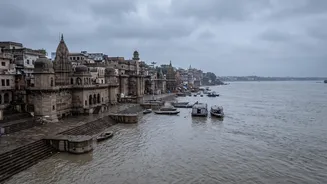
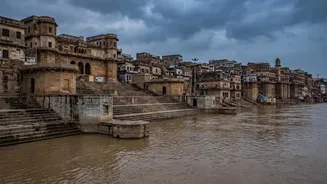
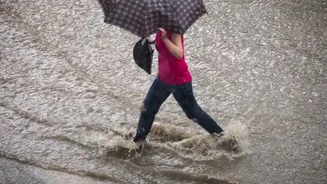
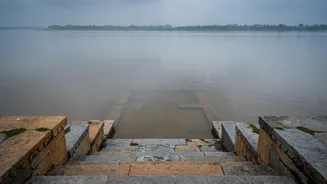
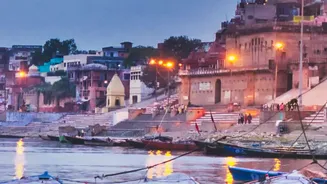
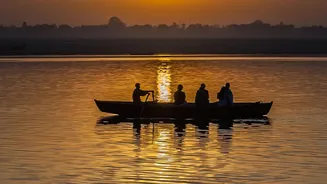
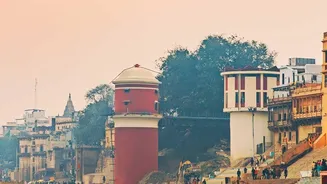
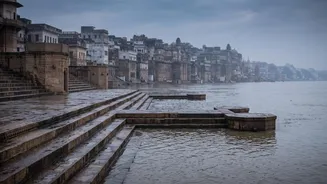
The rising water has had an immediate and profound impact on life in Varanasi. As a primary precautionary measure, all boat operations have been suspended. This is a major disruption, as boating is central to tourism, daily commutes, and many religious rituals. The city's famous ghats—the long stretches of steps leading down to the river—are completely submerged. This has displaced the world-renowned Ganga Aarti, the daily evening prayer ceremony, which is now being performed on rooftops or higher ground. Travel has become treacherous, with residents in low-lying areas wading through knee-deep water and police deploying to routes leading to the ghats to prevent accidents. Even the sacred rites of death have been affected; the Manikarnika Ghat, one of the main cremation grounds, is underwater, forcing families to conduct last rites on the rooftops of nearby buildings.
The Human and Economic Cost
The impact extends beyond the immediate riverfront. The rising Ganga has also caused its tributary, the Varuna river, to back up, flooding several residential areas. So far, the flooding has affected at least 11 localities and displaced hundreds of families. As of September 2nd, officials reported that 1,388 people from 328 families were affected by the Varuna's flooding alone. In response, authorities have set up 13 relief camps, which are currently housing 935 people from 219 families. These camps provide shelter and essential supplies as officials work to evacuate more people from vulnerable, low-lying communities. The disruption to daily life and commerce, especially the vital tourism and spiritual sectors tied to the river, represents a significant economic blow to the city.