





The Ultimate Survivor Crop
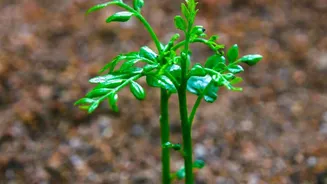
Known locally as khesari or tivda, the grass pea (Lathyrus sativus) is an ancient legume that has been cultivated for over 8,000 years. Its reputation is built on one core strength: an incredible ability to survive where other crops perish. It can withstand
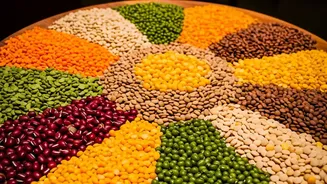
drought, flooding, saline soil, and extreme temperatures, making it a reliable 'insurance crop' for farmers in challenging environments. This hardiness means it requires minimal inputs like fertilisers or pesticides, growing successfully in marginal and nutrient-poor soils. With a high protein content, it has historically served as a critical source of food for humans and feed for livestock, especially during times of famine when more sensitive crops fail.
A Poisonous Past and a Decades-Long Ban
Despite its strengths, the grass pea has a dark side. The pulse contains a neurotoxin called ODAP (β-N-oxalyl-L-α,β-diaminopropionic acid). When consumed in large quantities over a prolonged period, especially in a diet lacking other nutrients, ODAP can cause a debilitating neurological disorder called neurolathyrism, which leads to irreversible paralysis of the lower limbs. This risk led the Government of India to ban the sale and storage of khesari dal for human consumption in 1961. However, cultivation was still permitted for animal fodder, and in many rural areas, particularly in states like Bihar, Chhattisgarh, and parts of Uttar Pradesh, its consumption continued due to its affordability and availability.
Science to the Rescue
For decades, the ban cemented the grass pea's reputation as a dangerous crop. But now, science is rewriting its story. Researchers at the Indian Council of Agricultural Research (ICAR) and international bodies like ICARDA have been working to develop new varieties with significantly lower levels of the ODAP neurotoxin. Through conventional breeding, mutation, and advanced genetic techniques, they have successfully created varieties like 'Ratan', 'Prateek', and 'Mahateora', which contain ODAP levels below 0.1%, a threshold considered safe for consumption. The recent publication of the grass pea's full genome sequence has further accelerated this work, allowing scientists to use modern gene-editing tools to precisely target and reduce or even eliminate the toxin.
A Climate-Smart Solution for Indian Farms
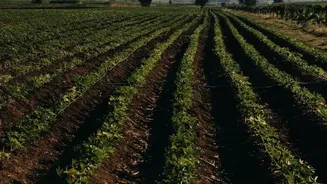
The development of these low-toxin varieties comes at a critical time. With climate change making rainfall more erratic and droughts more frequent, India needs crops that can ensure food security without demanding precious resources. The grass pea fits this description perfectly. It can be grown as a relay crop in rice fallows, utilising residual moisture after the paddy harvest and turning otherwise unproductive land into a source of protein. This practice not only provides an additional income stream for farmers but also improves soil health, as the grass pea is a legume that fixes nitrogen from the atmosphere. Its resilience to pests and diseases further reduces the need for chemical inputs, promoting a more sustainable agricultural system.
The Road to Revival
The path to bringing grass pea back into the mainstream is now clearer than ever. In 2016, a panel from the Indian Council of Medical Research (ICMR) cleared the pulse for consumption, paving the way for the ban to be lifted. While some states like Maharashtra and West Bengal have already revoked the ban, a full-scale commercial rollout for human consumption still requires final approvals from regulatory bodies like the Food Safety and Standards Authority of India (FSSAI). Scientists are continuing to refine the new varieties, ensuring their stability and performance across different agro-climatic zones in India. Demonstration projects, like those in Odisha, are already reintroducing low-toxin grass pea to farmers, with promising results in boosting crop diversity and nutrition.