




Tomatoes: For Flavour, Keep Them on the Counter
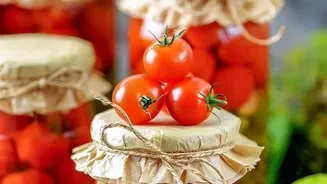
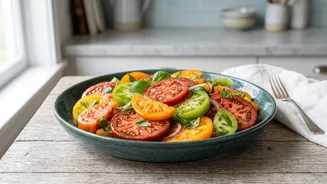
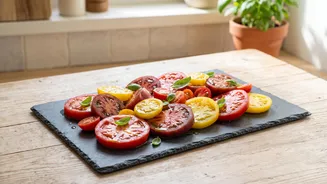
That juicy, sun-kissed tomato flavour you love is surprisingly fragile. When you place a whole tomato in the refrigerator, the cold temperature halts the natural ripening process that creates its complex taste. More importantly, the chill damages the delicate
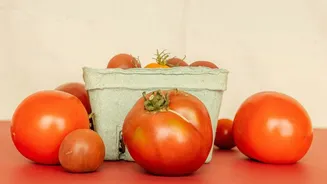
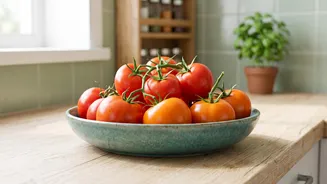
membranes within the tomato's cell walls. This breakdown is what leads to a mealy, mushy texture and a significant loss of flavour. Scientific studies have confirmed that refrigerated tomatoes lose a large portion of the volatile compounds that create their signature aroma, which is a key component of taste. For the best results, store whole, uncut tomatoes on your countertop, stem-side down to prevent moisture loss, and away from direct sunlight. Once they are perfectly ripe, they are best eaten quickly. The only exception is if a tomato is on the verge of becoming overripe or has already been cut; in that case, the fridge can help preserve it for a couple more days, but it's best to let it return to room temperature before eating to revive some of its flavour.
Potatoes: A Cool, Dark Pantry is Best
The common habit of tossing a bag of potatoes into the vegetable crisper is a culinary mistake. Refrigerator temperatures are too cold for raw potatoes and trigger a process called “cold-induced sweetening.” At these low temperatures, the potato's starches begin to convert into sugars. This not only gives the potato an unpleasantly sweet taste but also affects how it cooks. When fried or roasted, these excess sugars can cause the potatoes to brown too quickly on the outside before they are cooked through, and can result in a gritty or mealy texture. The ideal storage for potatoes is in a cool, dark, and dry place with good air circulation, like a pantry or a cupboard. Use a paper bag or a basket rather than a plastic bag, which can trap moisture and accelerate spoiling. Also, be sure to store them away from onions; onions release ethylene gas that can cause your potatoes to sprout prematurely.
Bread: The Fridge Makes It Go Stale Faster
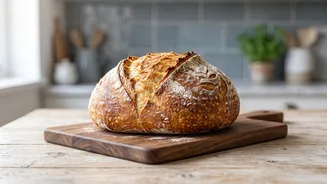
It seems logical that the cold would keep bread fresh, but the opposite is true. While refrigeration does slow the growth of mould, it dramatically speeds up the process of staling. This process is known as starch retrogradation, where the starch molecules in the bread recrystallize and harden, making the loaf tough, dry, and flavourless. This chemical change happens much faster at cool refrigerator temperatures than it does at room temperature. So, while you might be preventing a spot of mould, you are actively making your bread stale in record time. The best way to store bread you plan to eat within a few days is at room temperature in a bread box or a well-sealed paper bag, which allows for some air circulation while protecting it. For long-term storage, the freezer is your best friend. Freezing almost completely halts the staling process. You can freeze an entire loaf or individual slices and toast them directly from the freezer, ensuring your bread stays fresh for much longer.
Onions and Garlic: Let Them Breathe
Like their nemesis the potato, whole onions and garlic bulbs do not belong in the refrigerator. These alliums thrive in a cool, dark, and dry environment with plenty of air circulation. Storing them in the fridge introduces too much moisture, causing them to become soft, mushy, and prone to sprouting and mould. A mesh bag, a wire basket, or even a simple paper bag with holes punched in it, kept in a pantry or a cool corner of the kitchen, is the ideal home for them. This allows air to move freely and keeps them dry. As mentioned before, keep them separate from potatoes to prevent both from spoiling faster. However, once you peel and chop an onion or a clove of garlic, the rules change. At that point, they should be stored in an airtight container in the refrigerator to maintain freshness and prevent their potent smells from permeating everything else.