



The Power of Pulses
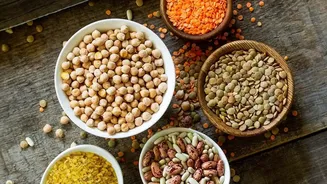
Pulses—the dried seeds of legume plants—are the backbone of Indian cuisine, providing protein, fibre, and substance to countless dishes. Having a variety on hand means you can whip up everything from a simple dal to a hearty curry. They are inexpensive,
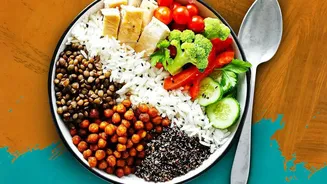
nutrient-dense, and incredibly versatile. Start with these three essentials: Toor Dal (Split Pigeon Peas) is a staple for everyday dal and sambar across many regions. Masoor Dal (Red Lentils) cooks quickly, making it perfect for a fast weeknight meal when you're short on time. Chana (Chickpeas) are essential for dishes like chana masala and can also be used in salads and snacks. Other great options to add over time include Moong Dal, which is light and easy to digest, and Urad Dal, a key ingredient in South Indian favourites like idli and dosa.
Go With Whole Grains
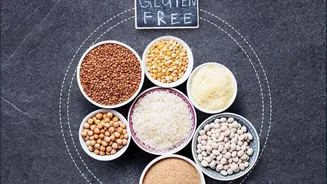
Whole grains offer complex carbohydrates, fibre, and essential nutrients often lost in their refined counterparts. Incorporating them into your diet can help with everything from managing blood sugar to improving heart health. Whole Wheat Atta is non-negotiable for making fresh rotis, parathas, and other flatbreads. Brown Rice or other unpolished rice varieties can be a simple swap for white rice, offering more nutrients and a nuttier flavour. Millets like Ragi (finger millet), Jowar (sorghum), and Bajra (pearl millet) are traditional Indian grains making a strong comeback. They are gluten-free and packed with minerals like iron and calcium, suitable for making everything from porridges to rotis.
The Foundation of Flavour: Spices
An Indian pantry is incomplete without its array of spices, which transform simple ingredients into something magical. While the full list can be extensive, a few core spices will get you through most recipes. Turmeric (haldi), Cumin (jeera), and Coriander (dhania) powders form the holy trinity of many Indian dishes. Garam Masala is a finishing spice blend that adds warmth and complexity. Keep it in a tightly sealed container away from light to preserve its fragrance. Red Chilli Powder provides heat, so you can adjust the quantity to your preference. Whole spices like mustard seeds, cumin seeds, and cloves are also fantastic to have for tempering (tadka).
Versatile Oils, Fats, and Aromatics
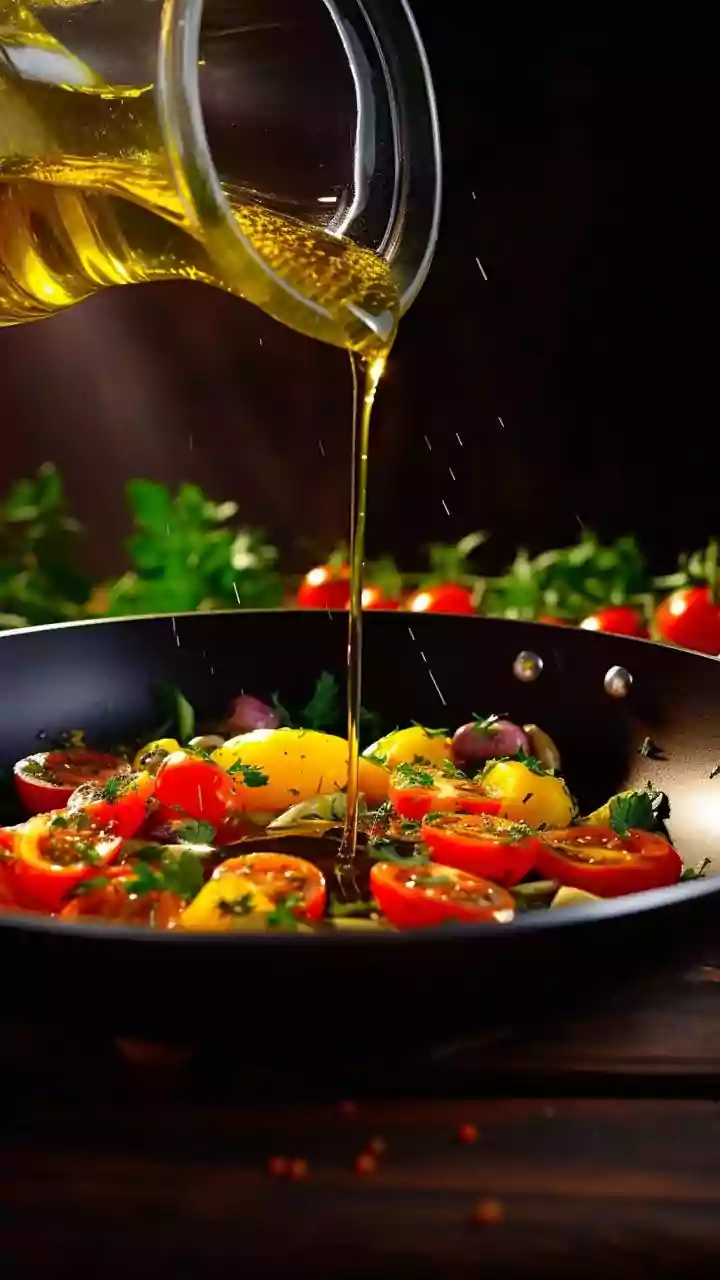
Beyond the dry goods, your pantry needs the right fats and fresh ingredients to bring everything together. For cooking oil, a neutral vegetable oil is a good all-purpose choice, while mustard oil offers a pungent, traditional flavour for specific dishes. Ghee (clarified butter) is a staple for its rich flavour and high smoke point, perfect for finishing dals or frying parathas. In the fridge, always try to have a stock of fresh aromatics. Ginger and Garlic are fundamental; you can use them fresh or buy a pre-made paste for convenience. Onions and tomatoes are the base of countless gravies and curries, so having a few on hand is always a good idea.
Putting It All Together
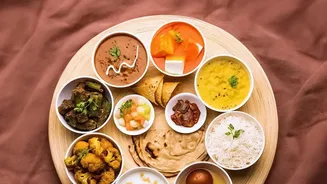
Stocking a pantry isn't about buying everything at once. It's about gradually building a collection of reliable ingredients that you'll use regularly. Start with one or two items from each category. Once you have a simple dal, some whole wheat atta, and basic spices, you have the makings of a complete, comforting meal. As you get more comfortable, you can explore other pulses like Rajma (kidney beans) or experiment with different types of rice and millets. The combination of a grain and a pulse in one meal provides a complete protein, making it a cornerstone of a balanced vegetarian diet. Your pantry is a tool that empowers you to cook with more confidence and creativity, turning what's on hand into a meal to be proud of.