





What 'Stricter Scrutiny' Really Means
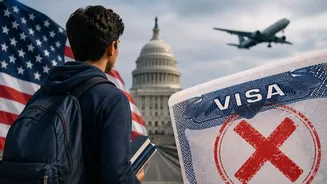
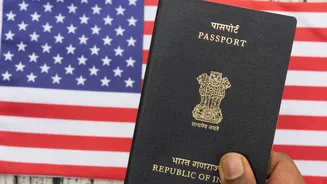
For Indian students, the evidence of increased scrutiny is hard to ignore. Recent reports indicate a significant drop in F-1 visa approvals for Indian applicants, with some analyses showing a 62% decline in the peak 2025 season compared to the previous
year. This isn't just about visa interviews. The Trump administration has overseen the cancellation of over 175,000 visas for foreign nationals, creating anxiety among all international students. Furthermore, a new Department of Homeland Security rule effective September 15, 2026, eliminates the flexible "duration of status" (D/S) system. Previously, students could stay as long as they were enrolled and compliant. Now, they will be admitted for a fixed period, requiring formal, complex extensions if their studies take longer. This shift places a greater administrative burden on students to meticulously track their program end dates.
Why Is This Happening Now?
The tightening of rules stems from a combination of factors. The current administration is taking a more restrictive approach to immigration overall, with a focus on stringent vetting and compliance. Immigration authorities are paying closer attention to programs like Optional Practical Training (OPT) and Curricular Practical Training (CPT), which allow students to work. There is a perception in some government circles that these programs can be magnets for fraud, leading to increased compliance monitoring of student employment records and SEVIS reporting. Even minor criminal allegations, such as a DUI, can now trigger swift immigration action, including SEVIS termination, sometimes before a court case is resolved.
Common Violations That Put You at Risk
Falling out of F-1 status is easier than many students think, and the consequences are severe. The most common violation is unauthorized employment. F-1 students cannot work off-campus, freelance, or run a business without specific prior authorization from their school's Designated School Official (DSO) and sometimes US Citizenship and Immigration Services (USCIS). Another major pitfall is failing to maintain a full course load. Dropping below the required credit hours without your DSO's pre-approval is a serious violation. Other critical errors include failing to update your address with your school within 10 days of moving, not getting a program extension before your I-20 form expires, or overstaying the 60-day grace period after graduation without being on OPT or enrolled in a new program.
The Life-Altering Consequences of a Violation
The repercussions of an F-1 status violation are not just a slap on the wrist. They are immediate and can derail your entire academic and professional future. Your SEVIS record will be terminated, and you will lose legal status in the US. This makes you ineligible for any F-1 benefits like on-campus jobs, CPT/OPT, or transferring to another school. More alarmingly, violating your status can start the clock on accruing "unlawful presence." Accumulating more than 180 days of unlawful presence can lead to a three- or ten-year ban from re-entering the United States. In the worst-case scenario, it can lead to detention and removal proceedings (deportation).
Your Compliance Checklist: How to Stay Safe
While the environment is stricter, maintaining your status is entirely achievable with diligence. Your Designated School Official (DSO) at your university's international student office is your most valuable resource; treat them as your first point of contact for any question about your status. Always maintain a full course of study and speak to your DSO before dropping any class. Never work off-campus without getting authorization in writing first. Keep your passport valid and be aware of the expiration date on your I-20; apply for an extension well before it expires. Finally, keep your DSO updated on any changes to your address, major, or program length. Proactive communication and a clear understanding of the rules are your best defence.