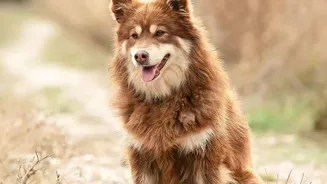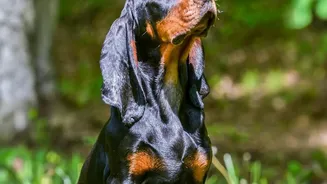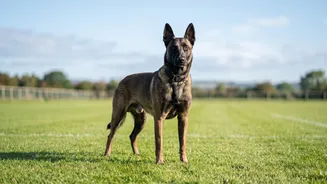




The idea of a 'super-dog' has long been a part of science fiction. Now, a new venture named Warhound is turning that concept into a business plan, using cloning and genetic engineering to replicate the world's most elite working dogs.
The Warhound Vision
Warhound, a new Texas-based
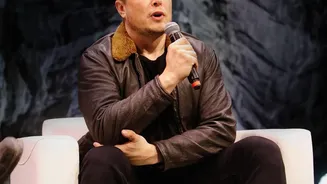
startup, recently emerged with a bold and futuristic mission: to create genetically enhanced and cloned dogs for military, law enforcement, and first-responder teams. The company was co-founded by Ben Lamm, CEO of the de-extinction company Colossal Biosciences, and Palmer Luckey, founder of defense-tech firm Anduril. Their goal is to address what they see as a critical inefficiency and supply chain issue. Currently, the U.S. military imports over 80% of its working dogs from Europe, and fewer than half of the dogs acquired successfully complete the rigorous training programs. Warhound aims to solve this by creating a reliable, domestic supply of dogs specifically designed for health, trainability, and elite performance.
Cloning vs. Traditional Breeding
For decades, breeding has been a genetic lottery. Even when mating two exceptional working dogs, there is no guarantee their offspring will inherit the desired combination of intelligence, temperament, and physical ability. Many puppies in a litter may not be suited for high-stakes work, leading to high 'washout' rates from training programs. Cloning offers a radically different approach. Instead of rolling the genetic dice, it creates a later-born genetic twin of a proven performer. The idea is that if a dog has already demonstrated exceptional skill in bomb detection or search-and-rescue, a clone would have the same genetic blueprint for those abilities. This bypasses the unpredictability of breeding, promising a much higher success rate in training.
The Science of Replication
The core technology Warhound will use is Somatic Cell Nuclear Transfer, or SCNT. This is the same process famously used to create Dolly the sheep. In simple terms, scientists take a body cell, like a skin cell, from the 'donor' animal they wish to clone. They remove the nucleus from this cell, which contains all of the dog's genetic information. This nucleus is then transferred into an egg cell from which the original nucleus has been removed. The reconstructed egg is stimulated to begin dividing, developing into an embryo, which is then implanted into a surrogate mother dog to carry to term. The resulting puppy is not the same animal—it doesn't share memories or training—but it is a nearly perfect genetic copy.
More Than a Copy: The 'Engineered' Factor
Warhound's project goes beyond simple cloning. The 'engineered' part of the headline refers to genetic editing. The company plans not only to replicate top dogs but to improve upon their genetics. Using gene-editing technologies like CRISPR, the goal is to correct genetic predispositions for common ailments that cut careers short, such as hip dysplasia or certain cancers. In the future, the company may also look to enhance positive traits, potentially boosting a dog's sense of smell, speed, or endurance. This two-step process involves first identifying and cloning an elite dog, and second, editing its cell line to produce an even healthier and more capable version.
Hurdles on the Path to Perfection
Despite the promise, the road is filled with challenges. Dog cloning is a complex and inefficient process, often with low success rates and high costs. Furthermore, genetics are not destiny. A dog's environment, training, and relationship with its handler play a massive role in its ultimate performance. There are also significant ethical considerations. Animal welfare groups have raised concerns about the procedures involved and the potential for suffering in both surrogate mothers and cloned offspring, which can sometimes experience health problems. Warhound has stated it is working with the American Humane Society to certify its programs and ensure the lifelong welfare of the animals, including their retirement.