



The Science of Spoilage
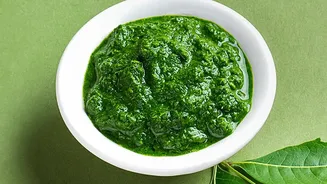
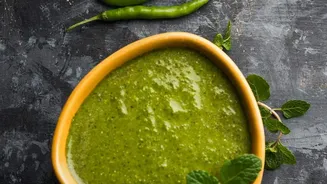
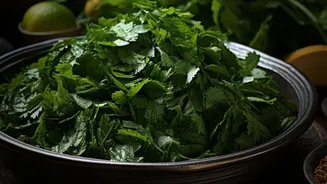
The primary culprit behind your green chutney losing its fresh colour and flavour is a process called oxidation. When the delicate leaves of coriander and mint are crushed, their cell walls break down. This exposes enzymes within the leaves to oxygen
in the air. This reaction is what causes the chutney to turn brown or black, much like a cut apple turns brown when left out. The heat generated from a blender's blades can also accelerate this process, leading to a duller colour right from the start. This oxidation not only affects the appearance but also diminishes the fresh, zesty taste that makes green chutney so beloved.
Your First Line of Defence: The Airtight Container
This is where the headline's advice comes into play, and it’s the single most crucial step. Storing your chutney in a truly airtight container is non-negotiable for preserving its freshness. By sealing the container tightly, you dramatically reduce the chutney's exposure to oxygen, which is the fuel for oxidation. A well-sealed lid creates a physical barrier that prevents air from getting in, slowing down the discolouration and flavour loss. For best results, choose a container that is just the right size for the amount of chutney, as this minimizes the amount of air trapped inside with it.
Choosing the Right Vessel
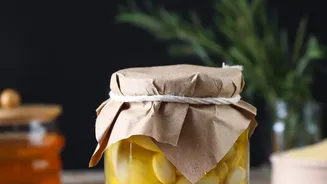
While any airtight container is better than none, glass jars are often considered the superior choice. Glass is non-reactive, meaning it won't interact with the acidic ingredients in your chutney, such as lemon juice, or absorb its strong aromas. This ensures the flavour remains pure. If you use plastic, make sure it is food-grade and designed for acidic foods. Before you fill your container, ensure it is completely clean and dry, as any moisture or contaminants can introduce bacteria and speed up spoilage. Sterilizing jars by boiling them for a few minutes can provide extra protection.
An Acidic Boost for Preservation
Beyond the container itself, several ingredients can help in the fight against oxidation. The most common and effective is an acid. Adding a generous squeeze of lemon or lime juice to your chutney does more than just add a tangy flavour. The acid, specifically ascorbic acid (Vitamin C), acts as a natural preservative by slowing down the enzymatic browning process. It effectively lowers the chutney's pH, creating an environment where the enzymes that cause discolouration are less active.
More Pro Tips for Peak Freshness
For even better results, consider a few extra tricks. Some cooks add a thin layer of oil on top of the chutney before sealing the container. The oil acts as an additional physical barrier against air. Another popular method is to add a few ice cubes while blending the chutney. This keeps the mixture cool, counteracting the heat from the blender's blades and helping to preserve the herbs' vibrant green colour. Finally, always use a clean, dry spoon to scoop out chutney from the jar. Dipping food directly or using a wet spoon can introduce bacteria that will spoil the batch quickly.
For Long-Term Storage: Embrace the Freezer
If you make a large batch of chutney and want it to last for weeks or even months, the freezer is your best friend. The most effective way to do this is by pouring the chutney into an ice cube tray. Once the cubes are frozen solid, you can transfer them into a freezer-safe ziplock bag. This method allows you to conveniently thaw just the amount you need for a meal, keeping the rest perfectly preserved. A single cube can be thawed at room temperature or microwaved for a few seconds. Frozen this way, chutney can retain its colour and flavour for several months.