




Understanding the High-Speed Vision
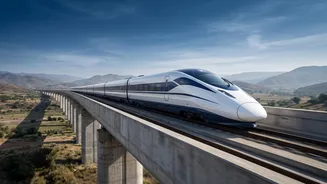
The Delhi-Varanasi High-Speed Rail (DVHSR) corridor is one of India's most anticipated infrastructure projects after the Mumbai-Ahmedabad line. Spearheaded by the National High-Speed Rail Corporation Limited (NHSRCL), the project aims to connect the national
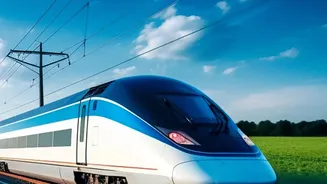
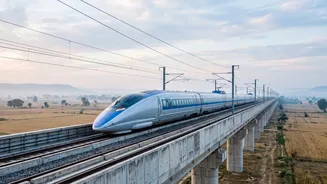
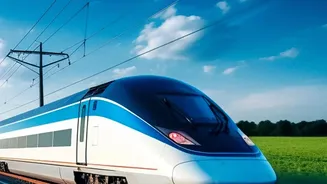
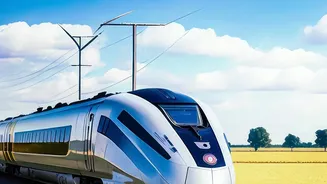
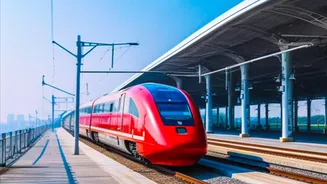
capital with the spiritual city of Varanasi, covering a distance of approximately 865 kilometres. With trains designed to operate at speeds of 320 km/h, the corridor is expected to reduce the journey time between Delhi and Varanasi to under four hours, a significant drop from the current 12 to 17 hours by conventional trains. This initiative is part of the larger Diamond Quadrilateral plan to link India's major metropolitan cities with a state-of-the-art rail network, fostering economic growth and regional integration.
The Proposed Route Through Uttar Pradesh
The backbone of the DVHSR corridor runs through Uttar Pradesh, India's most populous state. The proposed main line includes 12 stations, the majority of which are in UP, transforming it into a hub of high-speed connectivity. Starting from Sarai Kale Khan in Delhi, the line will enter Uttar Pradesh with proposed stops at Noida, the upcoming Jewar International Airport, Mathura, Agra, New Etawah, South Kannauj, Lucknow, Raebareli, Prayagraj, and New Bhadohi before culminating in Varanasi. This alignment is strategic, linking major political, industrial, cultural, and pilgrimage centres. The project also includes a crucial 135-kilometre spur line connecting Lucknow to Ayodhya, further boosting access to another key religious and tourist destination.
The Bihar Connection and Future Expansion
While the initial phase focuses on the Delhi-to-Varanasi stretch, the headline's mention of Bihar points to the project's larger strategic vision. The DVHSR corridor is planned to be extended from Varanasi eastward to Patna, the capital of Bihar. This extension is a critical component of a larger plan to create a high-speed artery running across the Indo-Gangetic plain. Reports indicate that the travel time between Varanasi and Patna could be cut to just one hour. The Detailed Project Report (DPR) submitted to the Ministry of Railways covers the route up to Patna and further on to Siliguri in West Bengal, and eventually Guwahati in Assam, forming a comprehensive northern and eastern corridor.
Economic and Social Impact
The bullet train network is expected to be a powerful catalyst for economic development and social change. By dramatically reducing travel time, the corridor will enhance connectivity for business, tourism, and healthcare. The integration with Jewar Airport is set to create a multi-modal transport hub, streamlining passenger and cargo movement. Proximity to high-speed rail stations is expected to spur investment in real estate, logistics, and hospitality, creating jobs and stimulating local economies around cities like Agra, Lucknow, Prayagraj, and Varanasi. Furthermore, the project aims to make high-speed travel accessible, with officials suggesting fares could be competitive with air travel, benefiting students, small businesses, and middle-class families.
Current Status and What's Next
As of late 2026, the Delhi-Varanasi High-Speed Rail corridor is in the advanced planning or pre-construction phase. The National High-Speed Rail Corporation Limited has submitted the Detailed Project Report (DPR) for the corridor to the Ministry of Railways for approval. Essential groundwork, such as aerial LiDAR surveys to finalize the alignment and geotechnical investigations, has been a key focus. Following final approval from the Union Cabinet, the next major steps will involve land acquisition and the tendering process for construction contracts. While a definitive timeline is yet to be finalized, the project represents a clear, long-term commitment to modernizing India's infrastructure for decades to come.