






Your New Pantry Staple: What is Miso?
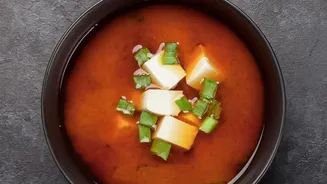
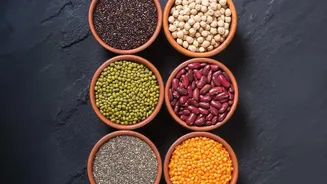
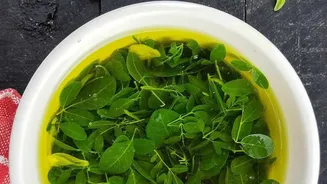
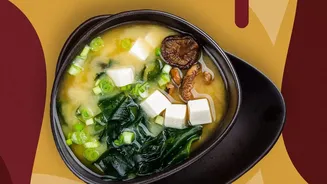
If you’ve ever enjoyed a bowl of Japanese soup, you’ve tasted miso. At its core, miso is a fermented paste made from soybeans, salt, and a mould called koji. This fermentation process can last from a few weeks to several years, and it's what creates miso's
signature flavour: a rich, savoury, and complex taste often described as umami. Think of it as a flavour concentrate, similar in its power to transform a dish as a rich stock cube or a dash of soy sauce, but with a unique, earthy depth. Its flavour is not fishy, a common misconception; rather, it is leguminous and savoury. It’s a powerhouse ingredient that is becoming a secret weapon in modern Indian kitchens.
The Umami Connection: A Natural Fit for Indian Food
The idea of adding a Japanese ingredient to a dal or gravy might seem unusual, but the science makes perfect sense. Indian cuisine is already rich in umami, even if we don't always call it that. The slow browning of onions, the liberal use of ripe tomatoes, and the addition of ingredients like garlic and mushrooms all contribute to building a deep, savoury base. Miso simply amplifies this. Its concentrated umami, a result of glutamates formed during fermentation, complements and deepens the existing flavours in Indian dishes. It rounds out the saltiness and can enhance the sweetness of other ingredients, creating a more balanced and mouth-wateringly satisfying final product.
Choosing Your Miso: A Quick Guide
Walking into a store, you'll likely see a few types of miso, primarily distinguished by their colour. White Miso (Shiro Miso): Fermented for the shortest time, this miso is mild, sweet, and almost creamy. It's the perfect entry point for experimenting. Use it in lighter dishes like soups, dressings, or marinades where you want a subtle boost without overwhelming the other flavours. Yellow Miso (Shinshu Miso): This is a great all-purpose miso, often made with barley. It’s saltier and earthier than white miso but not as intense as red, making it versatile enough for dals, marinades, and stir-fries. Red Miso (Aka Miso): Aged the longest, red miso is dark, pungent, and intensely salty and savoury. A little goes a long way. Use it in robust dishes like rich gravies, hearty stews, or for marinating red meat, where its bold flavour can stand up to other strong ingredients.
In Soups and Dals: The Secret to Depth
One of the easiest ways to start is by adding miso to your favourite dal or soup. A simple toor dal or masoor dal can be transformed with just a teaspoon or two. The key is to add the miso at the very end of the cooking process. Boiling miso can destroy its delicate aromas and beneficial probiotics. The best method is to turn off the heat, take a small amount of the hot broth into a bowl, whisk the miso paste into it until it dissolves completely, and then stir this mixture back into the main pot. This technique ensures the miso is evenly distributed without lumps. Try it in a tomato shorba or a simple vegetable soup to instantly add a layer of complexity that tastes like it has been simmering for hours.
For Marinades and Grills: Flavour and Tenderness
Miso is a fantastic addition to marinades for paneer, chicken, fish, or vegetables. Its enzymes help to tenderise proteins, while its salty and savoury notes penetrate deep into the ingredient. For a simple marinade, whisk together two tablespoons of yellow or white miso with a tablespoon of oil, a bit of grated ginger and garlic, and a squeeze of lemon juice. Coat your paneer or chicken and let it rest for at least 30 minutes before grilling, pan-frying, or baking. The miso helps create a beautiful caramelised crust while keeping the inside moist and flavourful. It works wonderfully on eggplant (baingan) as well, making it a star ingredient for dishes like miso baingan bharta.
A New Dimension for Gravies
That everyday onion-tomato gravy that forms the base of so many curries can get an incredible boost from miso. As with soups, add a teaspoon of red or yellow miso towards the end of cooking. Once your spices are cooked and the gravy is simmering, dissolve the miso in a little water and stir it in. Let it simmer gently for a minute or two, but avoid a rolling boil. This will add a savoury depth that complements the spices without tasting overtly Japanese. It can make a simple vegetable korma or a chicken curry taste richer and more complex, giving it a restaurant-quality finish with minimal effort.