








The Pressure of the 'Perfect' Festival
In an age of social media, the pressure to create a picture-perfect festive season can be immense. We scroll through images of flawless decor and extravagant family gatherings, often feeling a sense of competition or inadequacy. This drive for perfection
can turn a season of joy into a period of high stress, anxiety, and even financial strain. Experts note that putting too much pressure on ourselves to have a flawless holiday is a common source of stress. The irony is that in the rush to create the ideal celebration, we can lose sight of the real purpose: connecting with the people we love. An overplanned schedule and sky-high expectations can lead to burnout, leaving little room for the spontaneous moments of warmth and laughter that truly define family bonding. The focus shifts from being present with our loved ones to performing for an invisible audience.
The Magic of a Shared Meal
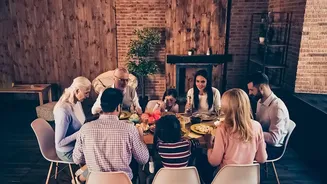
One of the most powerful yet simple ways to reconnect is by sharing a meal. It’s a tradition as old as time, but its benefits are backed by modern research. Studies consistently show that families who eat together enjoy stronger bonds. The simple act of sitting down at the same table, without the distraction of screens, creates a space for genuine conversation and connection. Research has linked shared meals to a host of positive outcomes, especially for children and adolescents, including better nutritional habits, improved academic performance, and lower rates of depression. It’s not about the complexity of the food, but the quality of the time spent together. A simple, home-cooked meal where everyone can share stories from their day can be more meaningful than the most elaborate feast eaten in a rush. The act of sharing food itself is seen as an expression of intimacy and can make people feel closer to their loved ones.
Small Traditions, Big Impact
Meaningful family traditions don't have to be grand or expensive. In fact, simple, repeated rituals are often the most effective at creating a sense of security, identity, and belonging. These traditions provide a comforting rhythm to our lives and give children something to look forward to, which helps them feel safe and grounded. Think of a weekly movie night, a walk to a favourite spot, cooking a specific festive dish together, or even a special handshake. These small, consistent activities become the building blocks of cherished family memories. They teach values, strengthen relationships across generations, and create a unique family culture. The key is consistency, not complexity. These rituals become an anchor, especially during times of change or stress, reminding everyone that they are part of a stable and loving unit.
Low-Pressure Is the New Big Plan
Embracing a low-pressure festive season is not about being lazy; it’s a conscious choice to prioritize well-being and connection. Instead of a rigid, minute-by-minute schedule, allow for unstructured time. It is in these quiet, unplanned moments that genuine interactions often happen. A mix of planned and unplanned activity can be beneficial. Children, in particular, benefit from unstructured time to play and use their imaginations. Setting realistic expectations is a key strategy for managing holiday stress. Accept that things don't need to be perfect to be meaningful. This might mean letting go of a demanding tradition that no one enjoys anymore or simplifying your decorating. Being flexible allows you to adapt when plans inevitably change and focus on what truly matters: spending quality time together. By reducing the pressure, you create emotional space for everyone to relax and genuinely enjoy each other's company.