


The Contenders: A Tale of Two Grains
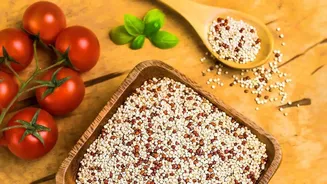
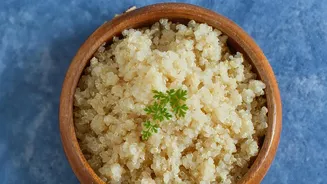
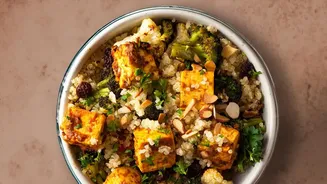
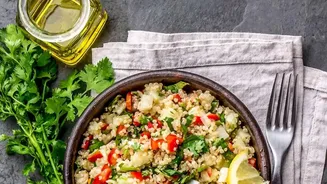
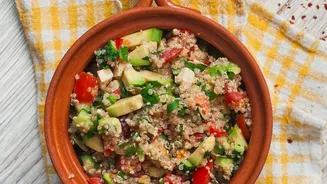
Quinoa, a seed native to South America, has gained worldwide fame over the last two decades for its impressive health credentials. Often called a 'superfood', it’s celebrated for being a complete protein and a versatile ingredient in everything from salads
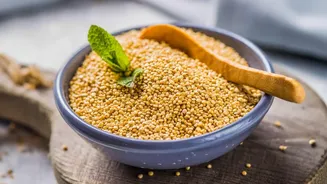
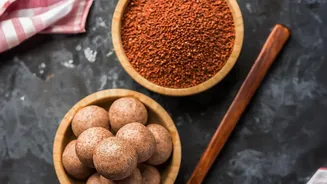
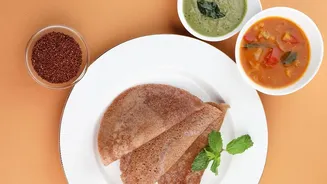
to breakfast bowls. On the other side, we have ragi, also known as finger millet. This humble, reddish-brown grain has been a staple in Indian households for centuries, particularly in the southern states and hilly regions. It’s deeply rooted in tradition, praised for its resilience as a crop, and respected for its dense nutritional profile. Both are gluten-free, making them excellent choices for those with celiac disease or gluten intolerance.
Protein Power vs. Calcium King
The most significant difference lies in their protein and calcium content. Quinoa is the clear winner on protein, offering about 13-14 grams per 100 grams of uncooked grain. More importantly, it's a 'complete protein', meaning it provides all nine essential amino acids your body can't make on its own. This is a rare quality in the plant kingdom. Ragi, in contrast, offers a more modest 7-8 grams of protein per 100g. However, where ragi truly shines is its exceptional calcium content. At approximately 344-364 mg per 100g, ragi is one of the richest plant-based sources of calcium, containing far more than quinoa (around 47-198 mg) and even milk. This makes ragi an outstanding choice for bone health, especially for children, women, and the elderly.
Fibre, Carbs, and Blood Sugar
When it comes to dietary fibre, both grains are excellent sources, but ragi often has a slight edge. Uncooked ragi contains around 11 grams of fibre per 100g, while quinoa has about 7 grams. This high fibre content aids digestion, promotes a feeling of fullness, and helps in managing weight. Both grains are considered low on the glycemic index (GI), which measures how quickly a food raises blood sugar. Their combination of fibre and complex carbohydrates ensures a slow release of energy, preventing the sharp spikes associated with refined grains like white rice. This makes both ragi and quinoa suitable options for individuals managing blood sugar levels, though portion control remains key.
A Deep Dive into Minerals and Vitamins
Beyond the headline nutrients, their mineral profiles differ. Quinoa generally leads in iron, folate, magnesium, and zinc content. A 100g serving of quinoa has significantly more folate and iron than the same amount of ragi, which is beneficial for preventing anemia. Ragi, while being the calcium champion, also provides a good amount of iron and magnesium. Both grains are packed with antioxidants, which help protect the body from damage caused by free radicals. Quinoa is noted for its high levels of flavonoids like quercetin and kaempferol, which have anti-inflammatory properties.
The Practical Side: Cost and Culinary Use
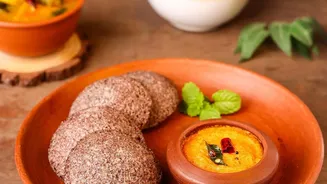
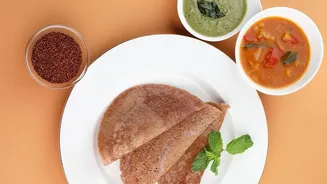
For many Indian households, the decision also comes down to practicality. Ragi is a locally grown crop, making it significantly more affordable and accessible than quinoa, which is often imported. Quinoa can cost five to eight times more than ragi. In the kitchen, ragi is traditionally used to make porridge (koozh), flatbreads (roti or bhakri), and dosas. Its earthy flavour is a familiar taste in many regions. Quinoa, with its milder, nutty taste and fluffy texture, works well as a substitute for rice, in pulaos, or as a base for salads. Its versatility has allowed it to be easily integrated into modern global cuisine.