







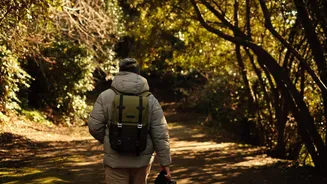
The Benefit of Mindful Breathing
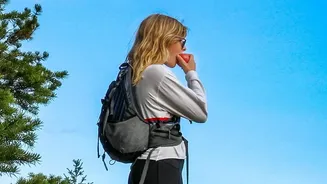
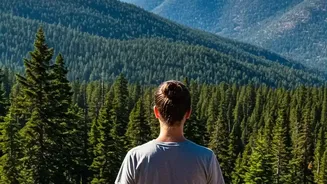
Combining hiking with deep breathing transforms a simple walk into a form of moving meditation. The core practice, often called diaphragmatic or belly breathing, has significant benefits. It helps activate the parasympathetic nervous system, also known
as the 'rest and digest' response. This conscious act of slowing down and deepening your breath can lower your heart rate, reduce blood pressure, and decrease feelings of stress and anxiety. For hikers, this translates into a calmer, more present experience on the trail. By oxygenating the body more efficiently, deep breathing can improve stamina and reduce fatigue. Instead of your mind wandering to daily stressors, your focus anchors to the rhythm of your inhales and exhales, allowing you to fully immerse yourself in the natural surroundings.
How to Practice Breathing on the Trail
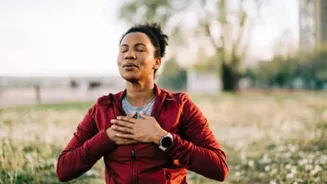
Integrating breathing exercises into your hike doesn't have to be complicated. The ideal place to start is on a flat, easy-to-navigate section of the trail. Begin by walking at a comfortable pace. The goal is to synchronize your breath with your steps. A simple and effective technique is rhythmic breathing. Try inhaling through your nose for a count of three or four steps, then exhaling through your mouth for the same number of steps. As you breathe in, focus on letting your belly expand rather than your chest—this is the essence of diaphragmatic breathing. Placing a hand on your stomach can help you feel the movement. The key is to find a rhythm that feels natural and sustainable, not forced. If you feel lightheaded or out of sync, simply return to your normal breathing pattern and try again later.
Easy Trails: Your Ideal Practice Ground
The reason easy, familiar trails are recommended for practicing breathwork is simple: they demand less of your conscious attention. On a gentle, well-marked path, you don't need to constantly scan for roots, rocks, or steep drop-offs. This frees up mental bandwidth, allowing you to turn your focus inward. When your brain isn't occupied with complex navigation or physical strain, it can more easily concentrate on the meditative quality of rhythmic breathing. This creates a safe environment to build the habit. Think of it as learning a new skill in a controlled setting before taking it into a more challenging environment. These low-stakes hikes allow you to get comfortable with the coordination of walking and breathing, so the practice becomes more automatic and less of a deliberate effort.
When Terrain Dictates Your Effort
The headline rightly points out that trail difficulty should ultimately decide your effort. When the terrain becomes challenging, your priority must shift from conscious breathing techniques back to safety and performance. On steep inclines, uneven ground, or technically demanding sections, your body requires more oxygen, and its natural, reflexive breathing pattern is the most efficient way to get it. Forcing a slow, meditative breath during intense exertion can leave you feeling breathless and fatigued. On an uphill climb, for instance, your breathing will naturally become faster and deeper to meet the muscles' demand for oxygen. In these situations, listening to your body is more important than adhering to a specific breathing exercise. Your focus should be on secure footing, balance, and maintaining a sustainable physical pace.
A Balanced Approach: Breath and Body
The most effective hiker doesn't choose one technique over the other but knows when to apply each. Think of mindful breathing as a tool in your hiking toolkit, best used during the calmer moments of your journey. Use it on flat stretches, gentle descents, and during rest breaks to center yourself and recover. When the trail steepens and the effort increases, let your body's automatic response take over. Pay attention to your breathing as a gauge of your exertion; if you're so out of breath you can't speak, it's a sign to slow down or take a break. This adaptive approach allows you to reap the mental rewards of mindfulness when the path is easy and ensure your body has the resources it needs when the path is hard. It’s about creating a dynamic partnership between conscious intention and physical instinct.