






The Arrival: What High Altitude Feels Like
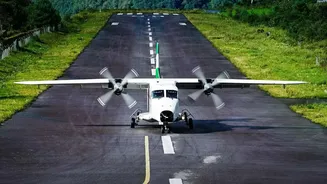
Flying into Kushok Bakula Rimpochee Airport is an experience in itself, with stunning views of the Himalayas. But the real impact comes after you land. At 3,256 metres (10,682 feet), the air has significantly less oxygen than at sea level. This doesn't
mean you can't breathe; it just means your body has to work harder to get the oxygen it needs. You might feel a bit breathless just walking from the plane to the terminal or lifting your luggage. Many travellers experience a mild headache, dizziness, or a feeling of general heaviness by the evening of the first day. This is perfectly normal and is the first sign that your body is beginning the crucial process of acclimatisation.
The Golden Rule: Rest for 24-48 Hours
The single most important thing you can do upon arriving in Leh is to rest. The excitement to explore is understandable, but treating your first day as a transit day for sightseeing is a common and costly mistake. For the first 24 to 48 hours, you should avoid any strenuous activity. This means no immediate treks, no rushing up the stairs to your hotel room, and no long walks to explore the town. Check into your accommodation and take it easy. A short, slow walk to the local market in the evening of day one is generally fine, but the primary goal is to let your body adjust without putting it under any stress. This period of rest is not optional; it is a mandatory investment for a safe and enjoyable trip.
Hydrate, Hydrate, and Eat Smart
Proper hydration is your best defence against altitude-related issues. The dry, high-altitude air can lead to dehydration more quickly than you might expect. Aim to drink at least three to four litres of water per day. Warm soups and herbal teas also count towards this goal. On the other hand, it's wise to avoid alcohol and smoking, as they can interfere with the acclimatisation process and worsen dehydration. When it comes to food, stick to light and high-carbohydrate meals for the first few days. Your digestion can slow down at high altitudes, so heavy, oily foods are best avoided. Think simple meals like dal, rice, and vegetable soups.
Spotting Acute Mountain Sickness (AMS)
Acute Mountain Sickness, or AMS, is a common concern for travellers to Ladakh. It occurs when your body struggles to adapt to the lower oxygen levels. The early symptoms are often mild and can be mistaken for general travel fatigue. Be watchful for a persistent headache, nausea, loss of appetite, unusual fatigue, dizziness, or difficulty sleeping. If you experience a combination of these symptoms, don't ignore them. The best immediate action is to rest at the same altitude until the symptoms subside. Do not ascend any higher. If symptoms worsen or become severe—such as extreme breathlessness even at rest, confusion, or a persistent cough—it is crucial to descend to a lower altitude and seek medical advice immediately.
To Medicate or Not? A Word on Diamox
Some travellers consider taking Acetazolamide, commonly known as Diamox, to help prevent AMS. This medication helps your body acclimatise faster. However, it is a prescription drug and not a cure for AMS. It's most effective when taken as a preventive measure before you begin your ascent. Side effects can include a tingling sensation in your fingers and toes and increased urination. The decision to use Diamox should not be taken lightly. It is essential to consult with your doctor well before your trip to discuss whether it is right for you, understand the correct dosage, and get a prescription.