



Skipping: A Workout in Rhythm and Reaction
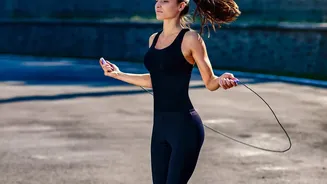
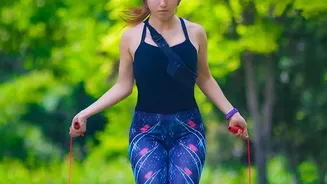
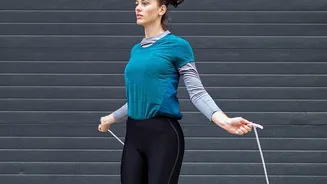
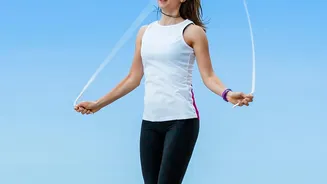
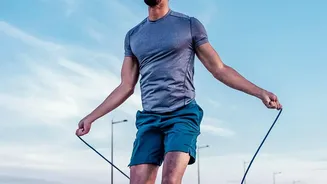
More than just a playground pastime, skipping—or jumping rope—is a powerhouse of a workout favoured by athletes like boxers and footballers for a reason. The exercise demands constant, rhythmic timing. Your hands, eyes, and feet must work in perfect synchrony
to keep the rope moving. This repetitive action provides immediate feedback; if your timing is off, the workout stops. It's this continuous loop of action and correction that rapidly sharpens coordination. Each jump forces your mind to focus on your feet, making neuromuscular adjustments to maintain balance and rhythm, effectively training you to be lighter and quicker on your feet.
The Science of Foot-Eye Coordination
Foot-eye coordination is the brain's ability to process visual cues to guide precise, rapid movements of the feet. Skipping trains this skill relentlessly. The brain must track the rope's speed and arc, then signal the feet to jump at the exact right moment. This develops what is known as reactive agility—the ability to change direction and speed quickly while maintaining total control. Over time, this forges stronger neural pathways, improving your reflexes, balance, and motor skills not just in exercise, but in everyday life, making you less prone to injury.
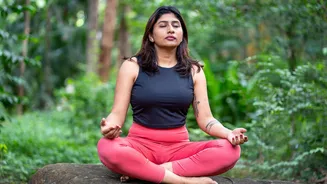
Yoga: The Art of Controlled Strength
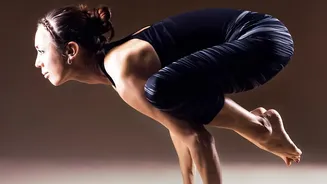
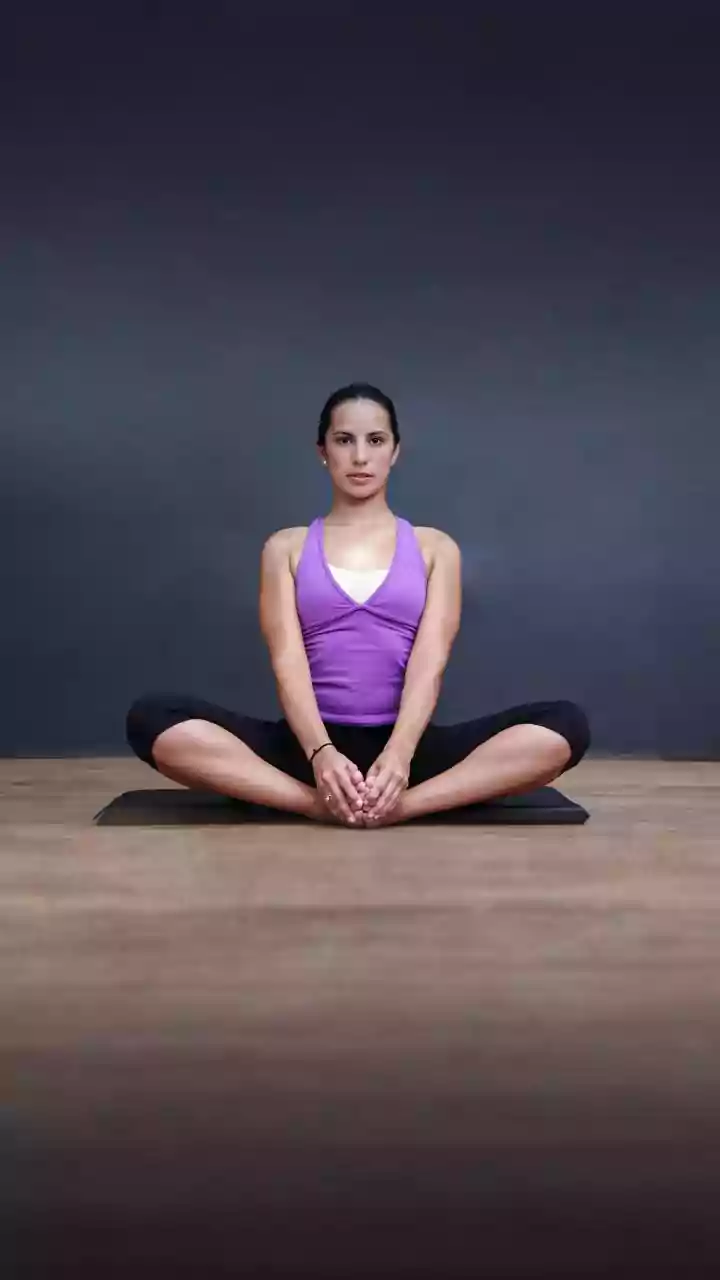
While skipping is about explosive, repetitive movement, yoga cultivates a different, deeper kind of strength: dynamic core muscle control. This isn't about holding a plank for minutes on end, which builds static strength. Dynamic control is the ability to keep your spine and pelvis stable while your limbs are in motion. Think of twisting, bending, or reaching. These everyday actions require your deep core muscles to work together to protect your back and transfer force efficiently from your lower body to your upper body, and vice versa.
Flowing to a Stronger Centre
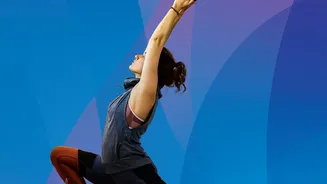
Yoga excels at building this type of functional strength. In yoga, the core is considered to be a 360-degree network of muscles, including the abs, obliques, lower back, and pelvic floor. A flowing Vinyasa sequence, moving from Plank to Chaturanga to Upward-Facing Dog, demands constant core engagement to manage the transitions smoothly. Standing poses like Warrior II and Triangle Pose work the obliques to stabilize the torso, while balance postures like Tree Pose fire up the deep stabilizing muscles. These movements teach the core to function as an integrated system, enhancing spinal stability and improving posture.
A Partnership for Complete Fitness
Instead of seeing skipping and yoga as competitors, it's more useful to view them as perfect partners in a holistic fitness plan. They are complementary forces. Skipping provides a high-intensity cardiovascular workout that builds agility, speed, and reactive coordination. It's an exercise in power and timing. Yoga, on the other hand, is a low-impact practice that builds the foundational strength, flexibility, and body awareness needed to support those explosive movements and prevent injury. The combination of high-energy skipping and mindful, stabilising yoga creates a well-rounded routine that challenges both body and mind in different, equally important ways.