







The Return of a Classic Name
The name 'Laredo' isn't new to the Jeep family; it holds a special place in the brand’s history. In the 1980s, the Laredo was a premium trim package available on legendary models like the CJ-7 and the Cherokee XJ. It signified a step up in comfort and style,
offering plusher interiors, distinctive graphics, and more creature comforts than its more utilitarian siblings. According to reports from its era, the Laredo trim helped transition Jeep's image from purely work-focused vehicles to ones you could proudly drive for a night out. By resurrecting this nameplate, Jeep isn't just pulling from the archives; it's signaling a specific intent: to blend rugged credentials with a level of refinement that appeals to a broader audience.
Defining the Wrangler DNA
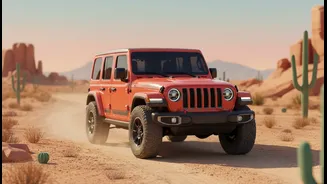
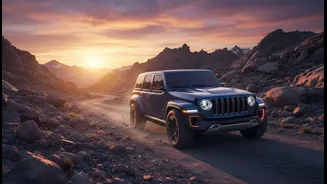
To understand what a Laredo could be, you first have to define the Wrangler's core identity. It's more than just a vehicle; it's a collection of iconic design cues that have been honed for decades. The seven-slot grille, the classic round headlights, the trapezoidal wheel flares, and, of course, the open-air freedom of removable doors and a fold-down windshield are non-negotiable elements. This is the genetic code. Over generations—from the YJ with its controversial square headlights to the modern, tech-filled JL—Jeep has learned that it can evolve the formula, but it cannot break it. The brand's heritage is its greatest asset, a visual language of adventure that is recognized globally. Any new model drawing from this well must respect these foundational pillars while finding a new way to express them.
Imagining the 2027 Laredo
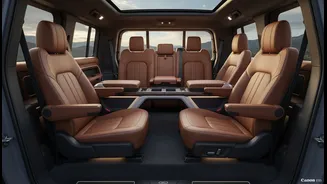
So what would a 2027 Laredo look like? It would be the answer to a question many potential buyers ask: what if I love the Wrangler look but want something better suited for daily life? The Laredo could be a four-door-only model, sharing the robust visual language of the Wrangler but with more integrated, aerodynamic features. Perhaps it features a permanent roof structure with large, removable composite panels instead of a full soft or hardtop, offering a quieter, more insulated cabin. Inside, the Laredo would take its historical role seriously, boasting premium materials, advanced infotainment, and comfort-focused features like the power-adjustable seats and noise-dampening carpets that have slowly made their way into high-end Wranglers. Under the hood, a plug-in hybrid 4xe powertrain would be standard, offering silent, emissions-free driving for the daily commute while retaining the instant torque needed for capable, if less extreme, off-roading.
A Lesson from Competitors
This strategy isn't without precedent. Look at what Ford has done with the Bronco and Bronco Sport. The Bronco is the hardcore, body-on-frame, trail-conquering machine, while the Bronco Sport offers the rugged aesthetic in a more comfortable, efficient, and city-friendly package. Similarly, Land Rover transformed the utilitarian Defender into a premium, family-friendly SUV that is now a luxury status symbol, selling in huge numbers without tarnishing the original's legacy. These brands proved you can have two paths to adventure stemming from one core idea. A Wrangler Laredo would follow this playbook, creating a vehicle for those who admire the Wrangler's character but whose reality involves more school runs than rock crawls. It broadens the tent, inviting new customers into the Jeep fold.
More Than Just a Badge
Creating the Laredo isn't just about badge engineering; it's a strategic expansion that protects the core brand. By giving the more lifestyle-oriented features a home in the Laredo, Jeep can allow the mainline Wrangler to become even more focused and capable. The Rubicon can get more extreme, and the base models can remain the accessible entry point for off-road purists. This prevents the dilution of the Wrangler's core mission. This approach acknowledges that the Wrangler's appeal has transcended its functional purpose to become a cultural symbol. The Laredo would serve the massive market that wants to buy into that symbol without needing 35-inch tires or locking differentials. It's a way to capitalize on the Wrangler's immense brand equity without compromising the icon itself, much as Jeep has done with its upcoming all-electric Recon, which is inspired by the Wrangler but built on a modern EV platform.