





Why Soaking Is a Crucial First Step
In many Indian households, soaking lentils before cooking is a non-negotiable step passed down through generations. While it’s tempting to skip it to save time, this practice is rooted in sound culinary and nutritional science. Soaking does more than
just shorten the cooking time; it fundamentally changes the lentil for the better. The primary reasons are to improve digestibility and increase nutrient absorption. Dried lentils contain anti-nutrients like phytic acid and tannins, which can interfere with your body's ability to absorb essential minerals like iron, zinc, and calcium. Soaking helps to significantly reduce these compounds. Furthermore, soaking breaks down complex sugars called oligosaccharides, which our bodies can struggle to digest, leading to bloating and gas. By soaking the dal and discarding the water, you are effectively washing away these undesirable elements.
The Ideal Soaking Time for Chana Dal
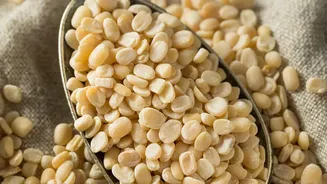
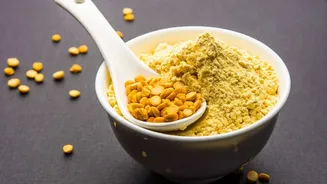
Unlike smaller, split dals like masoor or moong, which may only need 30 minutes, chana dal is denser and requires a longer soak to properly hydrate. The consensus among most culinary experts and nutritionists is a soaking time of 2 to 4 hours in room-temperature water. Some sources even suggest a slightly longer window of 4 to 6 hours for the best texture. This duration is the sweet spot that allows water to penetrate the lentil, softening it sufficiently for an even cook. It ensures the dal becomes tender without turning to mush. An experiment comparing different cooking methods found that soaking chana dal for just one hour before pressure cooking yielded the softest, most fully cooked result compared to cooking without soaking. The key is that the lentil should be hydrated all the way to its core.
What If You're Short on Time?
Forgetting to soak dal is a common kitchen mishap, but it doesn't have to derail your dinner plans. There are several effective quick-soak methods. The most popular technique involves using hot water. Simply rinse your chana dal, place it in a bowl, and cover it with boiling water. Let it sit for 30 minutes to an hour. This will significantly speed up the hydration process. Some cooks even place the rinsed dal and boiling water into a vacuum flask or insulated casserole for about an hour to trap the heat and achieve a texture similar to a much longer cold-water soak. Another method is to boil the dal in a pot of water for 5-10 minutes, then turn off the heat, cover the pot, and let it stand for an hour. While these shortcuts won't break down anti-nutrients as effectively as a long soak, they are excellent for softening the dal for a quicker cook time.
The Risk of Over-Soaking
While under-soaking is a common problem, over-soaking also has its downsides. If chana dal is left in water for too long at room temperature (generally beyond 8-12 hours), it can begin to ferment. You might notice a sour or yeasty smell and even some bubbles in the water. While this is not necessarily dangerous if the dal is thoroughly rinsed before cooking, it can impart an off-flavour to your final dish. Furthermore, lentils that are soaked for an excessive period can lose their texture and become overly soft or mushy upon cooking. If you need to soak overnight but might not get to cooking for more than 12 hours, it is best to place the soaking bowl in the refrigerator to slow down any potential fermentation.
Cooking Chana Dal Without Soaking
It is technically possible to cook chana dal without any soaking, especially when using a pressure cooker. However, be prepared for a much longer cooking time. Unsoaked chana dal will be tough and may cook unevenly, with some lentils remaining hard and chalky in the center while others are cooked. From a digestive standpoint, skipping the soak means all of the phytic acid and gas-causing oligosaccharides remain in the lentils, which can lead to digestive discomfort for many people. If you must cook without soaking, using a pressure cooker is essential. You may also consider adding a pinch of baking soda to the cooking water, as its alkaline properties can help soften the dal's tough skin more quickly. However, for the best flavour, texture, and digestibility, taking the time to soak is always the recommended approach.