



An Unexpected Jolt Over India
On August 4, 2026, passengers on Air India flight AI2379 from Phuket to Delhi experienced a terrifying few moments. While cruising, the aircraft hit a pocket of severe clear-air turbulence, causing a sudden altitude drop of around 300 feet. The violent
event resulted in injuries to multiple passengers and cabin crew members who were not secured at the time. Eyewitnesses described people being thrown against the cabin ceiling, illustrating the dramatic and dangerous forces at play. The flight landed safely in Delhi, but several individuals required hospital treatment. The incident, which is now under investigation by the DGCA, puts a sharp focus on an invisible but persistent threat to aviation.
The Science of a Bumpy Ride
Turbulence is essentially unstable air movement caused by various conditions like thunderstorms, weather fronts, or air moving over mountains. But the type that caused the Air India incident is known as Clear-Air Turbulence (CAT). This form is particularly hazardous because, as the name suggests, it occurs in cloudless, clear skies, making it invisible to pilots and undetectable by conventional onboard radar. CAT is generated by wind shear, which happens when two adjacent masses of air moving at different speeds interact, often near the powerful jet streams that aircraft use to fly efficiently. The sudden, severe jolts are the result of the aircraft flying into this invisible disturbance without warning.
Is Turbulence Getting Worse?
Aviation experts and atmospheric scientists are increasingly reaching a consensus: yes, turbulence is becoming more frequent and intense, and climate change is the likely culprit. Research from the University of Reading shows that severe clear-air turbulence has already increased significantly. One study found that on the busy North Atlantic route, the annual duration of severe turbulence grew by 55% between 1979 and 2020. As global temperatures rise, the temperature differences in the atmosphere are intensifying wind shear within the jet stream, creating more of the unstable conditions that generate CAT. Experts predict that by 2050, we could see double or even triple the amount of severe turbulence if current warming trends continue.
Your Single Best Defence: The Seatbelt
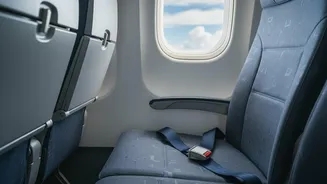
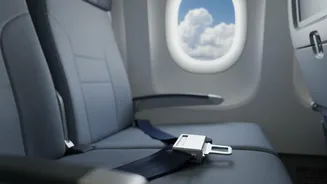
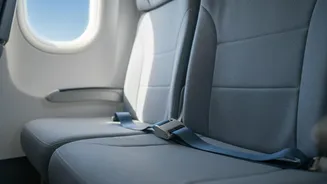
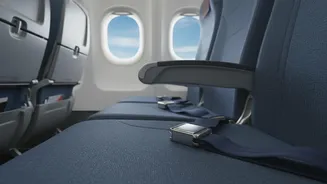
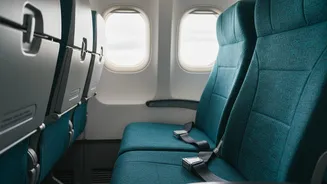
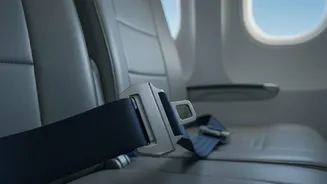
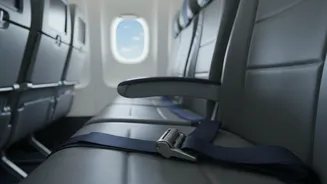
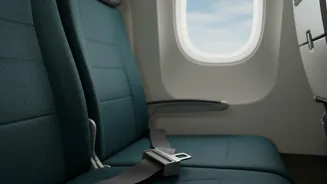
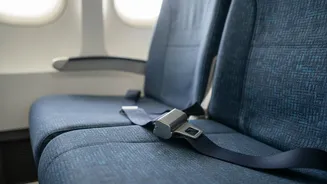
Aircraft are built to withstand even severe turbulence, but human bodies are not. The most common injuries from turbulence are not due to a plane's structural failure but from unbuckled passengers being thrown around the cabin. A seatbelt is your primary line of defence. During a sudden drop, like the one experienced on the Air India flight, an unsecured person effectively becomes a projectile. A simple lap belt anchors you to your seat, which is anchored to the aircraft, preventing you from hitting the ceiling, armrests, or other passengers. Aviation safety authorities like the FAA state that keeping your seatbelt fastened whenever you are seated is the most effective way to prevent injuries from unexpected turbulence. The forces in severe turbulence are too strong and too sudden to counteract by holding on.
Stay Seated, Stay Safe
The crew's instruction to fasten your seatbelt is not just for takeoff and landing. While the 'fasten seatbelt' sign provides a clear warning, the danger of clear-air turbulence is that it often arrives without any prior alert. This is why aviation experts universally recommend keeping your belt fastened and snug whenever you are in your seat, even if the sign is off. Position the belt low and tight across your hips, not your stomach, to ensure it engages your pelvic bone, which can withstand the force of a sudden stop much better than soft tissue. It’s a small, simple habit that can make the difference between a few scary seconds and a trip to the hospital.