


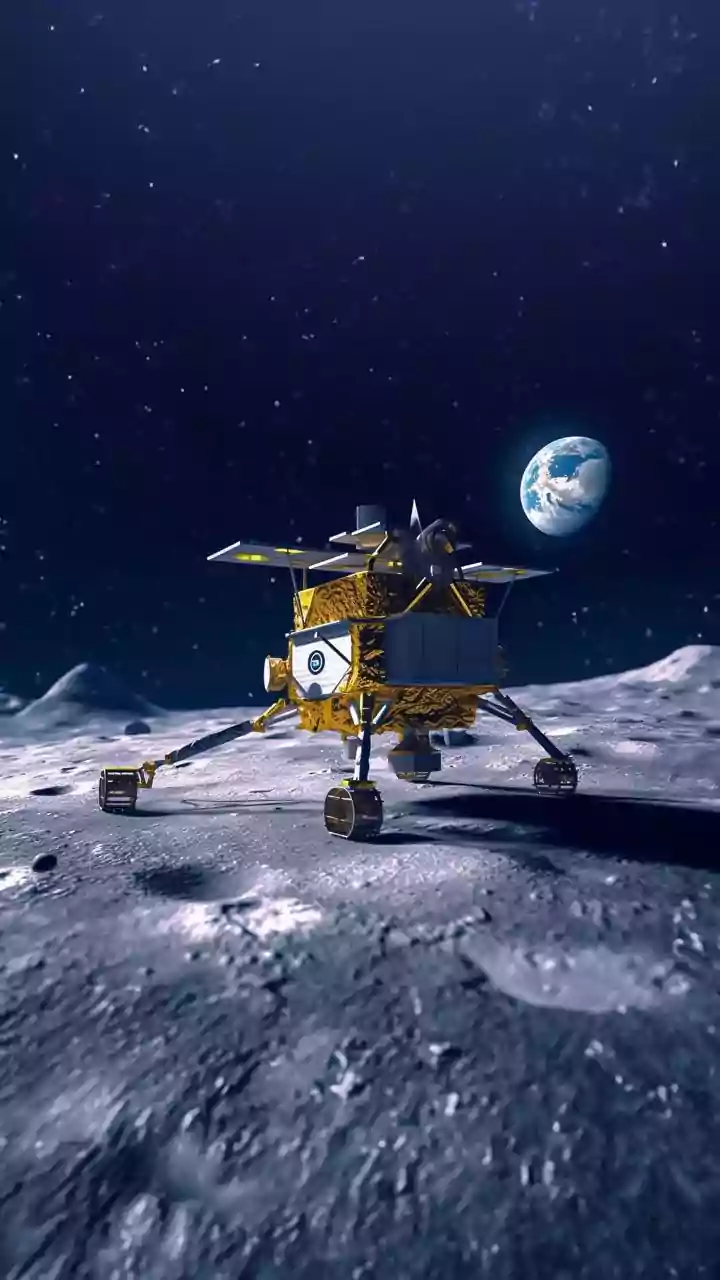
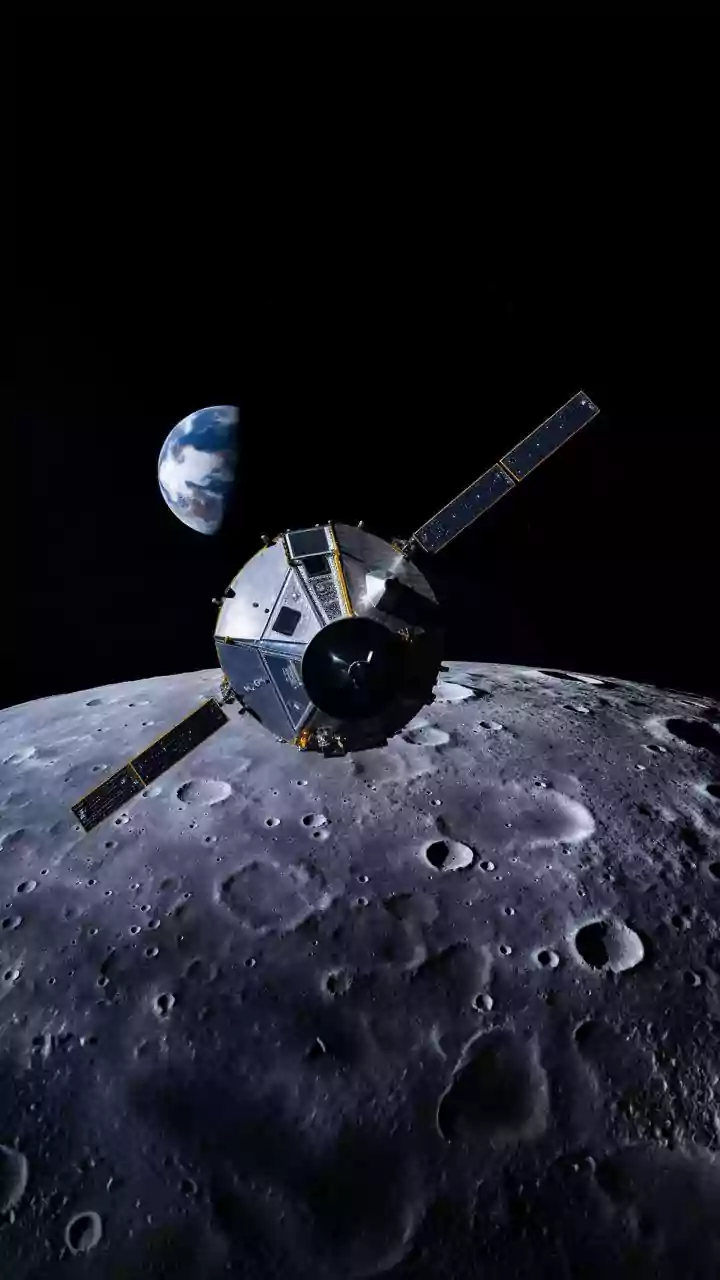


The dream of living and working on the Moon is closer than ever, and NASA is inviting the next generation of innovators to help build it. Young minds now have a unique chance to solve real challenges for a future lunar base.
NASA's Call for a New Generation of Builders
As part of its Artemis program,
which aims to establish a long-term human presence on the Moon, NASA has launched initiatives specifically for students. One of the most exciting is the NASA Moon Base Challenge, a competition that invites high school and post-secondary students to contribute directly to the designs for a permanent lunar outpost. Announced in November 2026, this challenge and others like it are not just academic exercises; they are a direct pipeline for fresh ideas and innovative solutions that could one day be used in space. The goal is to tap into the creativity of students from diverse backgrounds to solve the complex problems of sustaining life and work on another world. These challenges are designed to be accessible, meaning you don't need a specialized engineering degree to participate—just curiosity and a willingness to tackle hard problems.
The Core Problems of Lunar Living
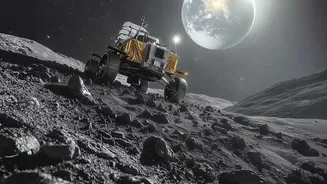
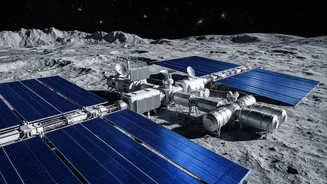
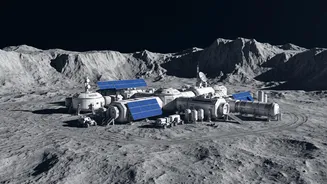
Living on the Moon isn't simple. Astronauts will face extreme temperatures, abrasive lunar dust, and the vacuum of space. The student challenges are structured around key problems that must be solved to make a moon base viable. The Moon Base Challenge, for instance, is divided into six critical categories: power generation and storage, habitat construction, life-support systems, surface mobility, communication networks, and astronaut safety. This means students can focus on a specific area of interest. For example, a team might design a system for generating and storing energy during the long lunar nights, while another could develop concepts for building structures using local materials (in-situ resource utilization). Other challenges, like the long-running Human Exploration Rover Challenge, task students with designing and building vehicles to traverse the difficult lunar terrain.
Who Can Participate and How?
NASA's student challenges are typically open to teams from high schools and universities. For the Moon Base Challenge, teams consist of two to five students and an adult coach. While many of these competitions are geared toward U.S. institutions, some, like the Human Exploration Rover Challenge, have historically welcomed international teams, including those from India. Participation usually starts with registering through the NASA STEM Gateway portal. From there, the process often involves multiple phases. Teams might first submit a concept paper and a diagram. Those who advance could then develop a more detailed proposal, and finalists often present their ideas in a recorded pitch to a panel of NASA and industry experts. The deadlines and specific requirements vary by challenge, so it's crucial to consult the official websites for the most current information. For the 2026-2027 Moon Base Challenge, registration closes in late January 2027.
More Than Just a Competition
While winning a prize—which can be substantial, with the Moon Base Challenge offering a share of a $1 million purse—is a major incentive, the benefits of participating extend far beyond that. These challenges offer handson experience in applying the NASA Systems Engineering Process, a problem solving methodology used throughout the aerospace industry. Students gain invaluable skills in project management, technical design, and public outreach. They learn to work in teams to solve complex problems with real world constraints, such as weight limits and the harsh lunar environment. This experience is a powerful addition to any resume and serves as a launchpad for careers in science, technology, engineering, and mathematics (STEM). Participants also get the chance to interact with and receive feedback from NASA experts, providing a unique networking opportunity.