




A New Window on the Universe
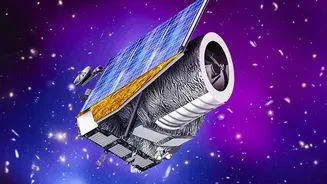
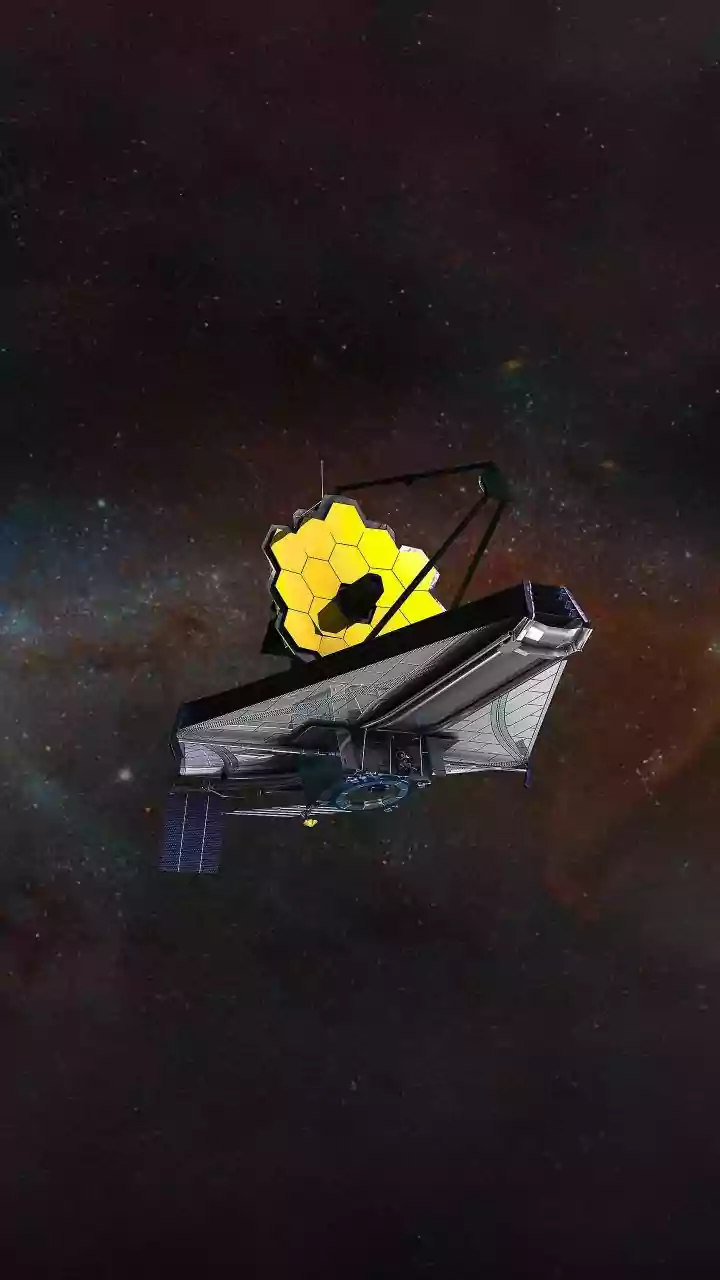
PRIMA, which stands for the Probe far-Infrared Mission for Astrophysics, is designed to see the universe in a way that other telescopes, even the mighty James Webb Space Telescope (JWST), cannot. It will use a 1.8-meter (5.9-foot) telescope to survey
the cosmos in far-infrared light. This allows it to peer through cosmic dust and observe the cold, faint signals emitted during the birth of planets, the growth of galaxies, and the evolution of black holes. Scientists hope PRIMA will answer fundamental questions, including how water, a key ingredient for life, came to be on Earth. It represents the first of a new class of 'Probe Explorer' missions, recommended by the scientific community to bridge the gap between smaller projects and massive flagship observatories like the JWST.
Entering the Blueprint Stage
NASA has officially moved the PRIMA project into what is known as 'Phase B' of its development lifecycle. This is a critical step where the mission moves from a general concept into a detailed preliminary design. During this phase, engineers at NASA's Jet Propulsion Laboratory (JPL) and its partner institutions will finalize the technology needed and create a comprehensive blueprint for the observatory. They will refine the design of its key instruments, complete technology maturation, and map out the entire system in detail. Think of it as moving from an architect's initial sketch to a full set of engineering drawings. This stage concludes with a major hurdle: a confirmation review, where the project's technical plans, schedule, and cost are scrutinized before it can get the green light to actually start building hardware in Phase C.
The Billion-Dollar Boundary
Herein lies the mission’s biggest challenge. As PRIMA enters this intensive design period, NASA has set a firm project cost cap of $1.2 billion. This figure does not include the cost of the launch or other non-project expenses, but it puts a strict boundary on what the team at JPL can develop and build. For context, this is a fraction of the JWST's roughly $10 billion price tag. This cost cap is a defining feature of the new Probe-class missions, which aim to deliver high-impact science without the budget overruns that have plagued some past flagship projects. The decision reflects NASA's strategy to pursue ambitious science while maintaining fiscal discipline, forcing innovation within a fixed financial box.
Designing Under Pressure
The $1.2 billion cap means the Phase B design process is now a high-stakes balancing act. The project team must prove it can meet its groundbreaking scientific goals without exceeding its budget. Every component, every system, and every test must be planned with this financial limit in mind. The team, which includes international partners, will need to make crucial trade-offs to optimize the design for both performance and cost. This phase will determine if the ambitious vision for PRIMA can be realized within the financial constraints imposed by the agency. The outcome of the upcoming confirmation review will decide whether PRIMA proceeds toward its targeted 2033 launch or goes back to the drawing board.