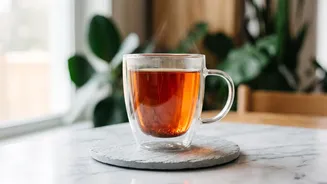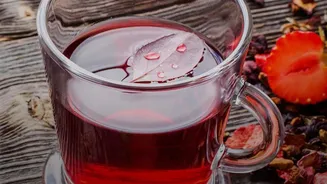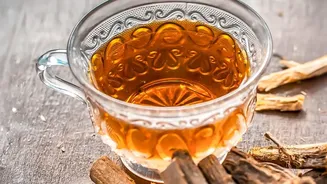





What Exactly Is Rooibos?
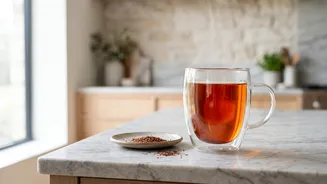
Rooibos, meaning 'red bush' in Afrikaans, is a unique herbal tea made from the leaves of the Aspalathus linearis shrub, grown almost exclusively in South Africa's Cederberg region. Unlike black or green tea, it is naturally caffeine-free and has low levels
of tannins, compounds that can sometimes interfere with iron absorption. Traditionally, the leaves are fermented, which gives the tea its signature red-brown colour and sweet, earthy flavour. There is also an unfermented 'green' rooibos, which has a different flavour profile and higher antioxidant content. For centuries, it has been a beloved local beverage, but now its reputation as a wellness drink has gone global.
The Antioxidant Foundation
Most of the health claims surrounding rooibos are rooted in its rich antioxidant content. Antioxidants are compounds that help protect the body from damage caused by unstable molecules called free radicals. This damage, known as oxidative stress, is linked to chronic conditions like heart disease and cancer. Rooibos is the only known natural source of aspalathin, a rare and potent antioxidant. It also contains other beneficial antioxidants like nothofagin and quercetin. While studies show drinking rooibos can elevate antioxidant levels in the blood, the effect may be small and not long-lasting. Still, this antioxidant activity is the primary mechanism behind most of its potential benefits.
The Claim: Better Heart Health
This is one of the most well-researched areas for rooibos. Several human studies suggest it can positively impact cardiovascular health. One clinical trial found that drinking six cups of rooibos daily for six weeks helped lower LDL ('bad') cholesterol and raise HDL ('good') cholesterol in adults at risk for heart disease. Other research indicates rooibos may act as a natural angiotensin-converting enzyme (ACE) inhibitor, which helps relax blood vessels and may support healthier blood pressure. A recent study also showed that rooibos consumption could lead to improvements in the heart's structure and function in at-risk individuals.
The Claim: Stronger Bones
The connection between rooibos and bone health is promising but still in the early stages of research. The tea contains two flavonoids, orientin and luteolin, which have been studied for their bone-supporting potential. Research has shown these compounds, along with extracts from rooibos, can stimulate osteoblasts—the cells responsible for building bone—and help increase mineralization in laboratory settings. Because it's caffeine-free, it's considered a potentially good option for those concerned about bone health. However, it is crucial to note that these findings come from cell and animal studies, and human trials are needed to confirm these effects.
The Claim: Healthier Skin
Rooibos is often touted for its skin benefits, from anti-ageing to soothing irritations. Its anti-inflammatory properties, attributed to antioxidants like quercetin, may help calm conditions like eczema and acne. Some research, including studies from South African institutions, suggests that rooibos extracts can help remove sun-damaged cells and block inflammation when applied to the skin, which may help protect against skin cancer. One small study reported that women saw a nearly 10% reduction in wrinkles after using rooibos-infused cosmetic products. While many of these benefits are linked to topical application, drinking the tea can help with hydration and deliver antioxidants from the inside out.
The Claim: Diabetes Management
There is growing interest in rooibos for its potential role in managing blood sugar. The unique antioxidant aspalathin has shown antidiabetic potential in animal and lab studies. Research on diabetic rats found that aspalathin and green rooibos extract helped lower blood glucose levels and improve how the body uses sugar. A comprehensive review of human studies concluded that rooibos consumption showed potential for improving blood glucose levels, but also noted that the findings were based on a small number of studies and that results could be inconsistent. More robust human trials are needed to make definitive recommendations.