





A 'White Gold' Crisis
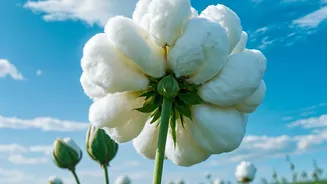
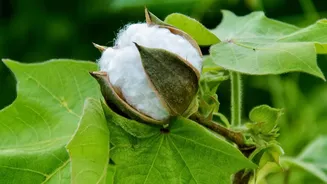
The heart of this story lies in the devastation of Punjab's cotton crop, once hailed as 'white gold'. For several consecutive years, farmers have battled severe infestations of the pink bollworm pest. These attacks have decimated yields and inflated costs,
as farmers spend more on pesticides with diminishing returns. Last year, the situation was particularly dire, with many reporting massive crop failures and financial losses, making cotton cultivation an increasingly risky gamble. Some farmers saw their standard yields of 8-10 quintals per acre plummet to just two.
The Undeniable Pull of Paddy
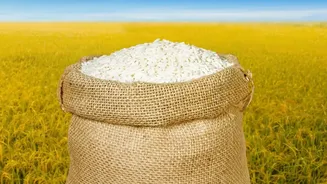
Faced with the volatility of cotton, farmers are turning to a familiar and reliable alternative: paddy. The primary driver for this shift is economic security. Unlike cotton, paddy cultivation is backed by the government's Minimum Support Price (MSP) and an established, assured procurement system. This framework provides a crucial safety net, guaranteeing a buyer and a fixed price, which is a powerful incentive for farmers reeling from the unpredictable nature of cotton farming. Even with a modest hike, the MSP for paddy offers a level of certainty that cotton markets currently lack.
An Environmental Setback
This large-scale return to paddy is a significant blow to Punjab's long-term environmental goals. For decades, experts and government bodies have warned about the state's rapidly depleting groundwater table, a crisis directly linked to the intensive water requirements of paddy cultivation. The state government has actively promoted crop diversification precisely to move farmers away from paddy and towards less thirsty crops like cotton, maize, and pulses. This 80,000-hectare shift not only halts that progress but reverses it, putting further strain on already over-exploited water resources.
A Vicious Cycle of Policy and Profit
The situation highlights a fundamental conflict between policy and on-the-ground reality. While the state advocates for diversification for long-term sustainability, it has struggled to make alternative crops as economically viable as paddy. Attempts to support cotton farmers through subsidies and pest monitoring have been insufficient to restore confidence after repeated crop failures. Without a robust support system—including effective pest management, stable pricing, and reliable procurement for alternative crops—farmers will continue to gravitate towards the crop that best secures their immediate livelihood, even if it comes at a greater environmental cost.