






Understanding the Coming Peak
When scientists talk about a coming “peak,” they are referring to the projected climax of a powerful El Niño event that is currently strengthening in the Pacific Ocean. An El Niño is a natural climate pattern characterized by warmer-than-average sea surface
temperatures in the central and eastern tropical Pacific. This ocean warming releases vast amounts of heat into the atmosphere, influencing weather patterns worldwide. According to agencies like the U.S. National Oceanic and Atmospheric Administration (NOAA), this El Niño is not only expected to persist through early 2027 but has a high probability of becoming a “very strong” event. Multiple forecasting models are in rare agreement, suggesting this could rank among the most intense El Niño episodes on record, rivaling those that caused significant global weather disruption in the past. The January to March window is critical as it is often when the impacts of El Niño on global temperature and weather reach their zenith.
A Global Fever Spike
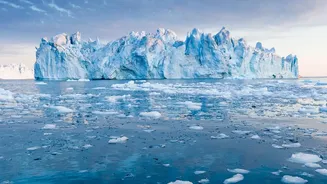
This powerful El Niño is occurring on top of a baseline of relentlessly rising global temperatures caused by human activity. The planet has been warming at an accelerated rate, with the last decade being the hottest ever recorded. Scientists expect that the additional heat from this strong El Niño will almost certainly push global average temperatures into record territory. In fact, reports suggest it is very likely the world will temporarily exceed the 1.5°C warming threshold—a key guardrail in the Paris Agreement—for at least one year between 2026 and 2030. While a temporary breach is not the same as a permanent failure to meet climate goals, scientists see it as a critical warning shot. Every fraction of a degree matters, as it increases the frequency and intensity of extreme weather events like heatwaves, droughts, and torrential rainfall.
What This Means for India
For India, a strong El Niño is a cause for serious concern. The phenomenon is historically linked to weaker monsoon rains and drought conditions, which can have a devastating impact on the country's agriculture-dependent economy. While this El Niño's peak is expected during the winter months, its influence is not confined to the monsoon season. A warmer winter could affect Rabi crops, which are vital for India’s food security. More importantly, the atmospheric conditions created by a super El Niño could set the stage for a dangerously hot and dry pre-monsoon season in 2027. India is already one of the countries most vulnerable to the impacts of climate change, and this event is expected to act as a powerful amplifier of existing stresses.
The Compounding Threat of Extreme Heat
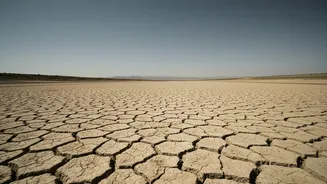
One of the most immediate threats for India is the increased likelihood of severe and prolonged heatwaves. In recent years, India has sweltered through record-breaking heat, with a study finding that deaths due to extreme heat saw a 55% increase in the late 2010s compared to the early 2000s. Climate change has already made deadly heatwaves in India many times more likely. A strong El Niño layered on top of this trend could lead to unprecedented temperature extremes, putting millions of lives at risk, disrupting outdoor labour, and placing immense strain on energy grids and water supplies. The combination of heat and potential dryness would also intensify water stress, affecting everything from drinking water availability in cities to irrigation for agriculture.
A Glimpse of the New Normal
Ultimately, this forecast is more than just a weather report; it is a preview of the challenges in a warming world. While El Niño is a natural cycle, the record-breaking ocean heat and atmospheric energy fueling its current intensification are not. They are a direct result of the buildup of greenhouse gases from burning fossil fuels. The rapid warming India has experienced, with temperatures rising by 0.7°C between 1901 and 2018, is part of this global trend. Events like the impending El Niño peak serve as a stress test, revealing the vulnerabilities in our systems and highlighting the urgent need for adaptation. This includes building more resilient infrastructure, implementing early warning systems for extreme weather, and protecting vulnerable communities.