



The Call of the Mountains
The Deo Tibba trek is one of the most rewarding adventures in Himachal Pradesh, serving as a perfect bridge for those looking to graduate from easy hikes to more serious high-altitude trekking. Classified as a moderate trek, it requires a good level of physical
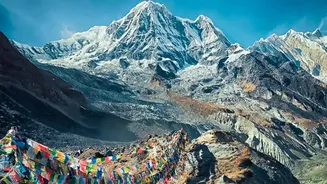
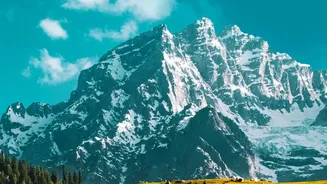
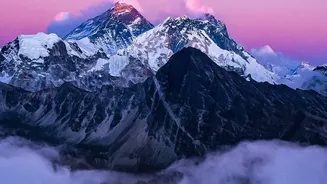
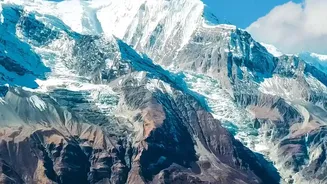
fitness but no technical climbing skills for the base camp route. The journey typically starts from Manali, with the best windows for trekking between May and June, and again from September to October, when the weather is pleasant and the views are clear. The trek is not just a physical challenge but a visual feast, offering views of Deo Tibba peak (6,001m) and the mighty Indrasan (6,221m). According to local beliefs, the dome-shaped peak of Deo Tibba is considered a gathering place for the gods, adding a layer of mystique to the adventure.
Day 1: From Manali to Chikka
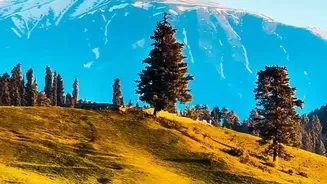
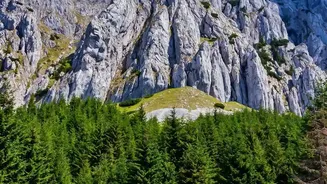
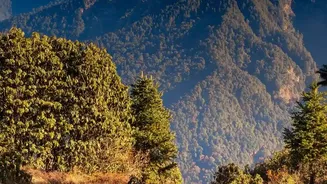
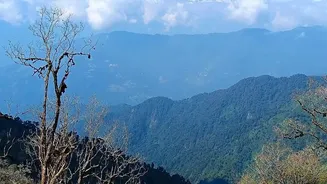
The adventure begins with a short, scenic drive from Manali to the trek's starting point, usually near the village of Khanol or the Allain Duhangan hydro project road head. From there, the path winds into a dense forest of pine, oak, and deodar trees. The first day's trek is a relatively gentle ascent of about two to three hours, following the path of the Duhangan Nallah. The trail leads to the first campsite at Chikka (around 3,100 metres), a beautiful clearing that sometimes features a Nag Mandir, a temple significant to the local community. This initial leg immediately immerses you in the tranquil Himalayan forest, with the sound of the river as your constant companion.
Day 2: Ascending to the Meadows of Seri
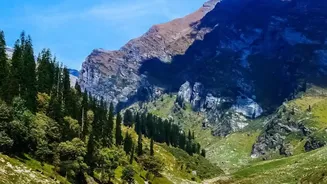
On the second day, the landscape begins its dramatic transformation. Leaving the treeline behind, the trail continues its ascent towards Seri. The walk is longer and more challenging than the first day, involving some boulder crossings and steady climbing. After a few hours, the forest opens up into a vast, breathtaking alpine meadow. Seri, once a glacial lake, is now a flat, expansive pastureland carpeted with wildflowers in the summer. This enormous meadow offers stunning views, including a large waterfall cascading from the Tainta cliff on the left. Camping here feels like stepping into another world, with the open sky and surrounding peaks creating a sense of immense scale.
Day 3: The Journey to Tainta
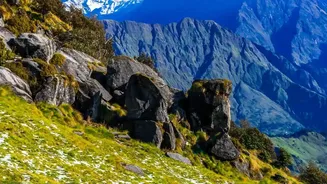
The trek from Seri to Tainta marks the entry into true high-altitude terrain. The trail follows the valley before ascending over a rocky and morainal landscape. This section requires careful navigation across boulders and streams as you gain significant altitude. The destination is Tainta (around 4,150 metres), a campsite situated on a glacial moraine. The environment here is rugged and starkly beautiful, a dramatic contrast to the green meadows of Seri. While views of Deo Tibba itself might be partially obscured from the campsite, the majestic Jagatsukh Peak often dominates the skyline, reminding you that you are deep in the heart of the great mountains.
Day 4: The Climax at Chota Chandratal
This is the highlight of the trek. The day involves an excursion from Tainta to the Deo Tibba Base Camp and the beautiful alpine lake, Chota Chandratal (Mini Chandratal), which sits at an altitude of approximately 4,480 metres. The trail is entirely on moraine, with the massive face of Deo Tibba and its hanging glaciers visible throughout the day. Reaching the emerald waters of Chota Chandratal, with the snow-clad Deo Tibba massif reflected on its surface, is a truly breathtaking reward. After soaking in the panoramic views of the Pir Panjal range, you retrace your steps back to the Tainta campsite for the night.
Day 5: A Swift Return to Civilization
The final day is a long but satisfying descent. You will retrace your steps from Tainta, passing through the familiar landscapes of Seri and Chikka. The journey downwards is much faster, allowing you to appreciate the changing scenery in reverse. What took days to ascend can be covered in about six to seven hours of steady walking. From the road head, a vehicle takes you back to Manali, your mind filled with the incredible diversity of landscapes you've witnessed—from the dense, whispering forests to the silent, icy grandeur of the glacial terrain. The trek is a powerful reminder of the Himalayan magic that can be experienced in just a few short days.