





The New Champions of the Budget EV Market
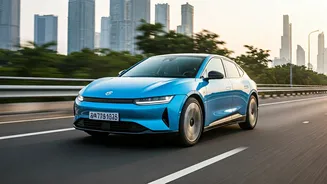
For years, the high cost of electric cars was a major barrier for the average Indian consumer. That narrative is rapidly changing, thanks to a growing portfolio of vehicles priced under the crucial ₹12 lakh mark. The charge is being led by domestic giant
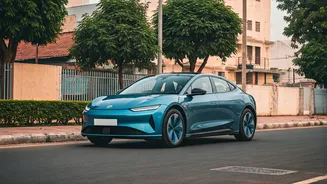
Tata Motors and international player MG Motor. Models like the Tata Tiago EV, with a starting price well under ₹10 lakh, and the compact MG Comet EV have become the go-to options for first-time EV buyers. The Tata Punch EV also sits in this competitive bracket, offering an SUV-like form factor that is popular with Indian families. These are not stripped-down versions of their petrol counterparts; they come packed with features and offer a compelling alternative for urban commuting.
Just How Fast Are They Selling?
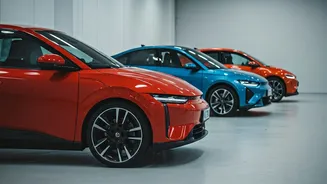
The term 'selling fast' is backed by impressive numbers. India's overall electric passenger vehicle market saw a record-breaking month in June 2026, crossing 31,000 units for the first time—a 106% year-on-year increase. While specific breakdowns for sub-₹12L models aren't always isolated, the brands driving this growth are telling. Tata Motors, with its budget-friendly Tiago and Punch EVs, recorded its highest-ever monthly EV sales of over 12,000 units in June 2026, a staggering 125% year-on-year growth. The updated Tiago EV and the new Punch EV have been specifically credited with attracting a large number of first-time EV buyers. Similarly, MG Motor, with its Comet EV, has seen consistent demand, helping it secure the third spot in the overall EV sales chart. This surge shows that accessible pricing has unlocked a new, high-volume segment of the market.
The 'Price-Per-Kilometre' Revolution
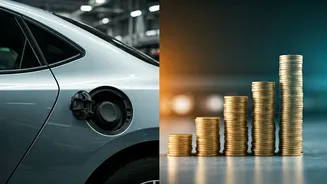
While the sticker price is the initial draw, the real magic for many buyers is the dramatically lower running cost. With petrol prices remaining volatile, the cost of running an EV is often just ₹1-2 per kilometre, compared to ₹7-10 for a similar petrol car. This economic advantage fundamentally changes the total cost of ownership calculation. For a daily commuter, the monthly savings on fuel can be substantial, effectively offsetting the higher initial purchase price over a few years. This long-term value proposition is a powerful driver of sales, especially in a price-sensitive market like India. Consumers are increasingly looking past the upfront cost and focusing on the total expense over the vehicle's lifespan.
Government Incentives and Growing Infrastructure
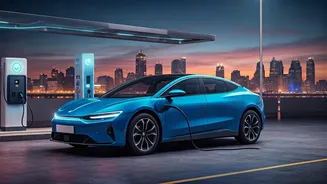
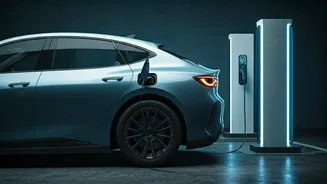
The government is also playing a crucial role in pushing the accelerator on EV adoption. While some direct subsidies are being phased out, various state-level policies provide significant benefits. For instance, the newly approved Delhi EV Policy 2026 offers a 100% waiver on road tax and registration fees for EVs under ₹30 lakh. It also introduces a scrappage incentive of up to ₹1 lakh for buyers who trade in an old internal combustion engine (ICE) vehicle. These incentives can bring down the on-road price of a budget EV considerably. Furthermore, the steady expansion of public and private charging networks is helping to alleviate 'range anxiety,' one of the key psychological barriers for potential EV owners.
The Road Ahead: More Competition, More Choices
The success of the current crop of budget EVs has sent a clear signal to the industry: there is a massive appetite for affordable electric mobility in India. This is expected to trigger a wave of new launches from both domestic and international automakers. As battery technology becomes cheaper and more efficient, manufacturers will be able to offer vehicles with better range and more features without significantly increasing the price. The industry is projected to cross 3 lakh annual EV sales for the first time in 2026, largely driven by this mass-market segment. For consumers, this means more choices, better products, and even more competitive pricing in the years to come.