




The Surface-Level Allure of Oils
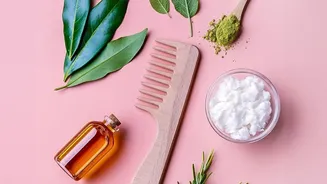
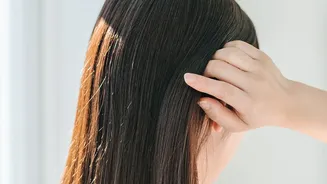
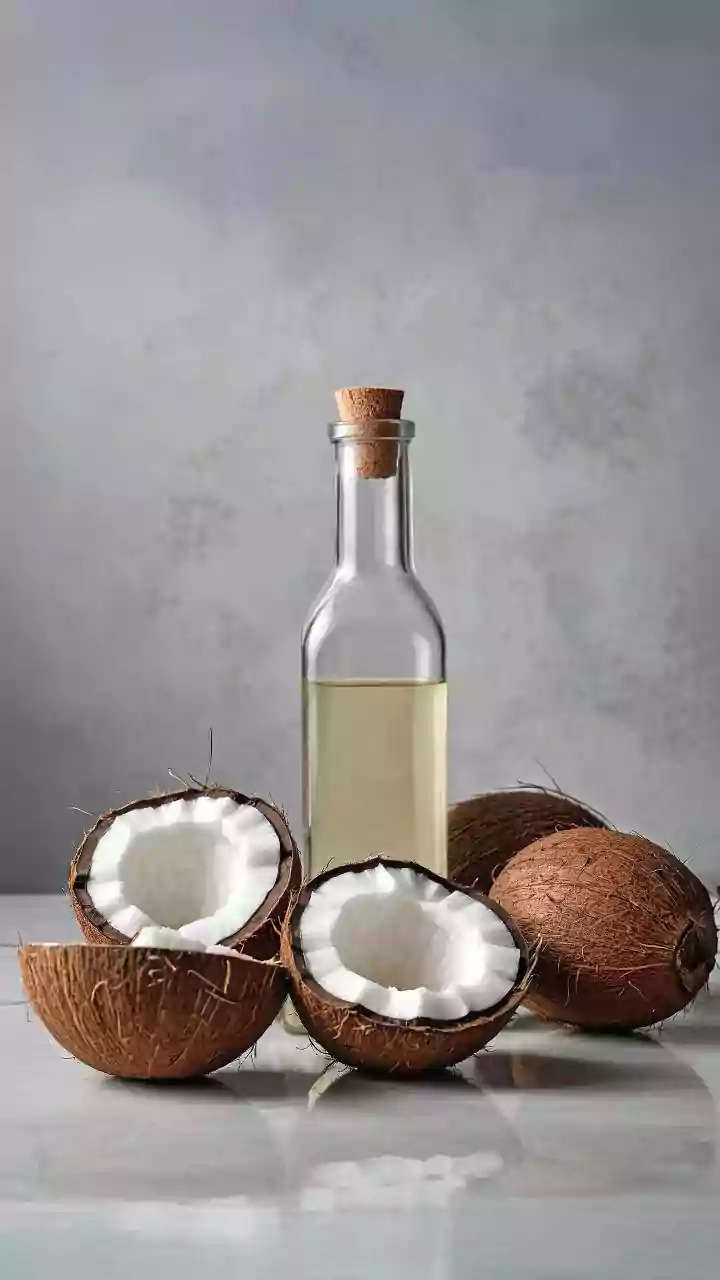
It’s easy to see the appeal of hair oiling. This age-old practice can leave hair feeling softer, looking shinier, and feeling more manageable. Oils like coconut have been shown to reduce protein loss, minimise breakage, and moisturise the hair shaft,
which helps protect it from damage. They create a protective barrier that seals in moisture, which can make hair appear healthier and help with length retention by preventing split ends. However, it's crucial to understand their limitation: oils primarily condition the hair that has already grown. While some may improve the scalp environment, there is very limited scientific evidence that they directly stimulate or speed up the growth process itself. Their main role is supportive, not foundational.
The Follicle: Your Hair’s Growth Engine
The real powerhouse of hair growth is the hair follicle, a tiny, tunnel-like structure within your skin. You're born with all the follicles you'll ever have. At the base of each follicle is the hair bulb, where blood vessels deliver the oxygen and nutrients needed to build a hair strand. Hair growth happens in a continuous cycle with three main phases: the anagen (growth) phase, the catagen (transition) phase, and the telogen (resting/shedding) phase. The health and activity of these follicles determine everything. If a follicle is damaged, clogged, or not receiving adequate nutrients, its ability to produce hair is compromised. Therefore, a healthy scalp environment is essential to allow these follicles to function optimally.
Your Hair’s Genetic Blueprint
Before you spend a fortune on products, it’s important to acknowledge the role of genetics. Your DNA is a powerful blueprint that dictates your hair’s texture, density, colour, and growth cycle. Genetics largely determine the length of your anagen (growth) phase, which controls the maximum length your hair can reach. This is why some people can grow hair down to their waists, while others find their hair seems to stop at their shoulders. Furthermore, inherited conditions like androgenetic alopecia (pattern baldness) are linked to genetic sensitivity to hormones that cause hair follicles to shrink over time. While you can't change your genes, understanding your genetic predispositions can help you set realistic expectations and tailor your hair care approach effectively.
An Inside Job: Nutrition and Overall Health
Hair is primarily made of a protein called keratin, so what you eat directly impacts its structure and growth. A balanced diet rich in specific nutrients is fundamental for nourishing the hair follicles from within. Key nutrients include protein, iron (which carries oxygen to the follicles), zinc (aids in hair tissue growth and repair), and biotin (essential for keratin production). Vitamins A, C, D, and E, along with omega-3 fatty acids, also play crucial roles in scalp health and cellular turnover. Conversely, nutritional deficiencies are a known cause of hair thinning and loss. Beyond diet, factors like chronic stress, hormonal imbalances, and poor gut health can disrupt the hair growth cycle and contribute to shedding.
A Holistic Path to Healthier Hair
Achieving your best hair requires looking beyond the bottle of oil. The most effective strategy is a holistic one that addresses the foundational pillars of hair growth. Start by focusing on a nutrient-dense diet filled with lean proteins, leafy greens, fruits, and healthy fats. Manage stress through practices like mindfulness or exercise, and ensure you're getting adequate sleep, as this is when cellular repair happens. Think of hair oils not as a magic growth serum, but as a finishing touch—a way to protect and add shine to the healthy hair your body is already growing. By focusing on internal health first, you create the optimal conditions for your follicles to thrive, letting your genetic potential shine through.