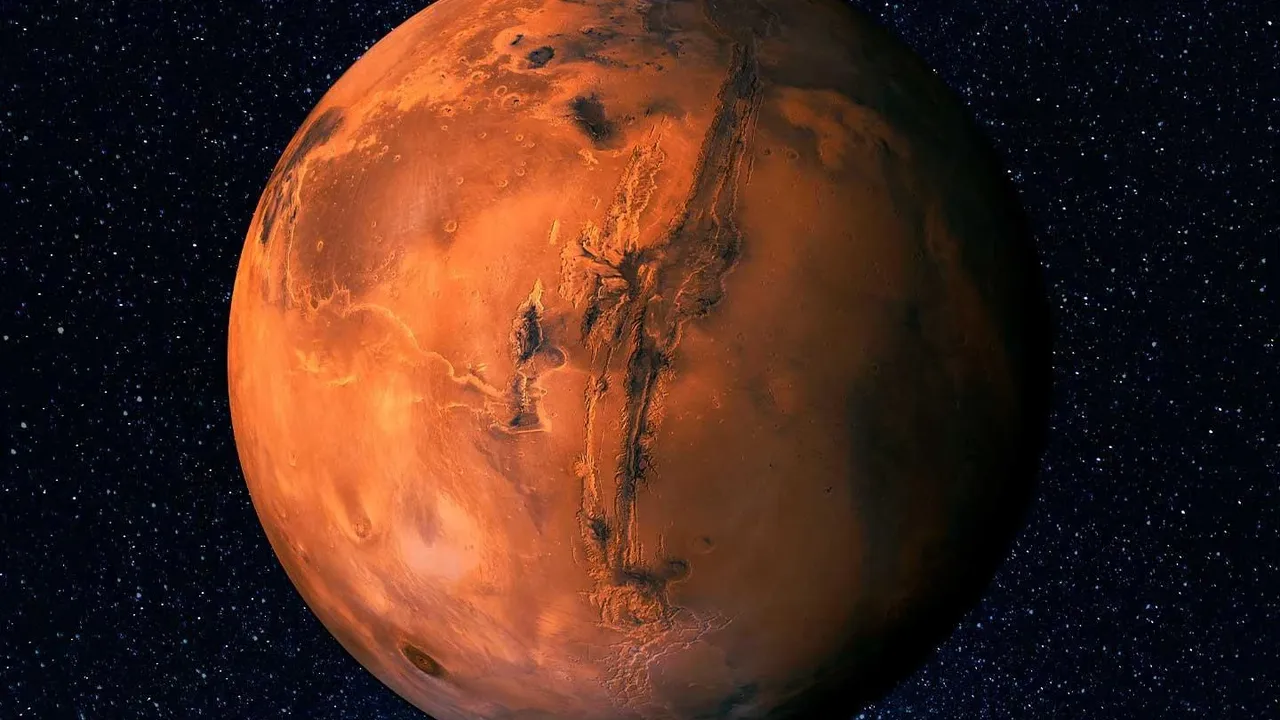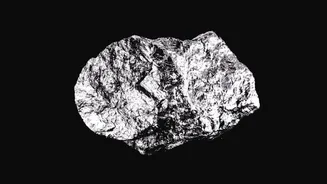



Imagine holding a piece of another world in your hand—a rock that began its journey more than four billion years ago. A rare Martian meteorite discovered on Earth is giving scientists exactly that, offering a priceless look at the Red Planet's infancy.
A Visitor From the Red Planet
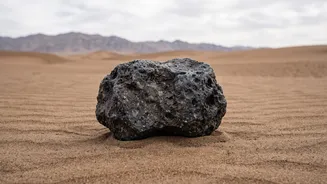
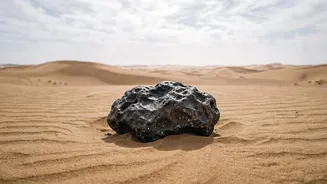
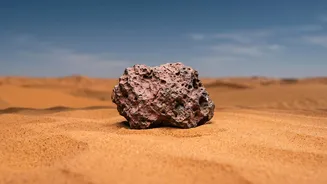
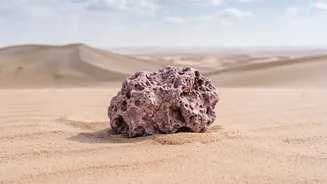
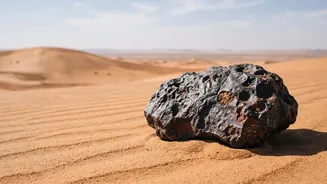
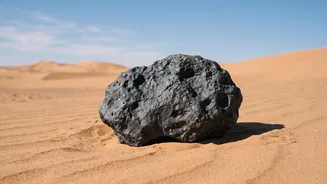
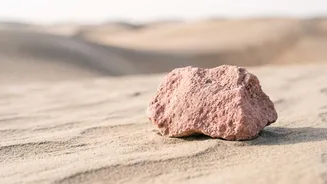
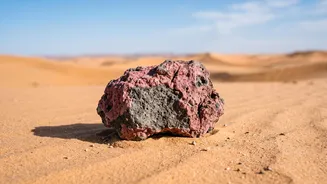
In 2022, meteorite hunters discovered a unique, rose-coloured rock on a salt plain in Mali, located within the Sahara Desert. Initially, its origins were a mystery, but after careful analysis, scientists confirmed it was no ordinary space rock. Named Teghaza 001, the roughly 800-gram stone was a piece of Mars, blasted from its surface by an ancient asteroid or comet impact. It travelled through space for potentially millions of years before being captured by Earth's gravity and landing in the desert. While hundreds of Martian meteorites have been found, Teghaza 001 is exceptionally special because of its incredible age.
A Time Capsule From an Infant Mars
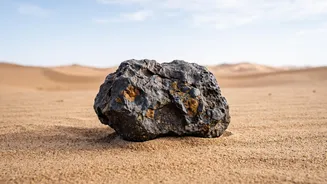
What makes Teghaza 001 a scientific treasure is its age. By studying zircon crystals within the rock—minerals that act like geological clocks—researchers dated it to at least 4.1 billion years old. This places its formation within the first 400 million years of Mars's existence, a critical period when the planet was just beginning to form its crust. This makes it one of the three oldest Martian meteorites ever discovered on our planet. Another famous ancient Martian rock, known as 'Black Beauty' (NWA 7034), contains components that are even older, at around 4.4 billion years, but Teghaza 001 provides a different and equally valuable snapshot of this primordial era.
Clues of a Watery Past
Perhaps the most exciting revelation from Teghaza 001 is the strong evidence that water altered its crust so long ago. Analysis showed that the rock’s minerals interacted with water around 4.1 billion years ago, suggesting the rock itself is even older. This points to a more dynamic water cycle on early Mars than previously thought. It tells a story of how magma cooled to form the planet's crust, which was then changed by the presence of subsurface water. This finding aligns with observations from NASA's Mars Reconnaissance Orbiter, which has seen similar mineralogy in the ancient, cratered southern highlands of Mars.
A Different Kind of Martian Rock
Unlike many other Martian meteorites, most of which are a type called shergottites and are much younger (less than 600 million years old), Teghaza 001 is chemically distinct. It contains a unique mix of igneous minerals, which tells a more complex story about its origin. Scientists believe it came from a part of the Martian crust that we have never sampled before. This diversity helps researchers understand the geological variety of the Red Planet and how different regions evolved. Because of its unique composition and age, some have called the meteorite a 'Rosetta Stone' for understanding early Mars.
What This Means for the Future
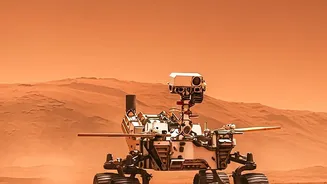
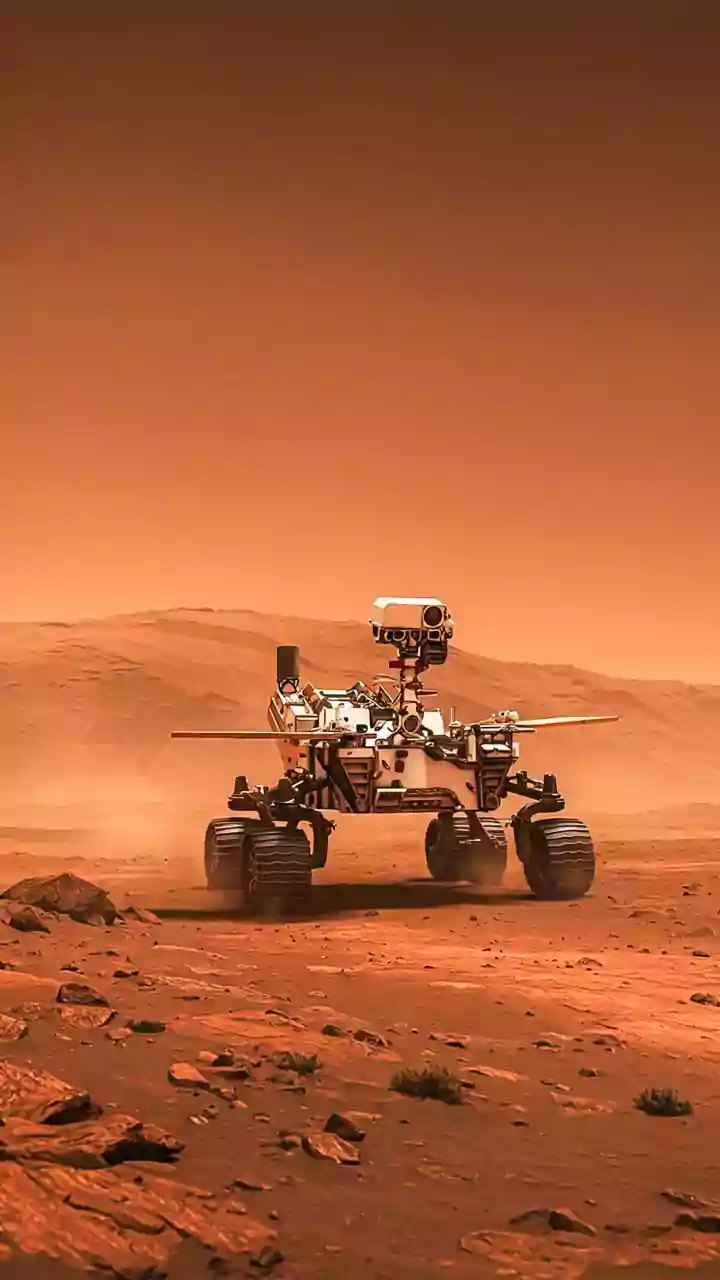
Studying rocks like Teghaza 001 is crucial for piecing together the history of Mars and answering the ultimate question: could life have ever existed there? Evidence of abundant water and dynamic geology so early in the planet's history makes that possibility more compelling. These ancient meteorites provide a vital reference point for current and future missions, such as rovers exploring the Martian surface and ambitious plans to one day return samples directly from the Red Planet. Each new meteorite offers a piece of the puzzle, helping us understand the evolution of our planetary neighbour and, by extension, the formation of our own world.